The alarm rings at 3:15 AM. It is a brutal, unforgiving sound that cuts through the thick silence of midsummer. Outside the window, the world is draped in a deep, indigo twilight, not quite night but far from day. Most people are rolling over, pulling the duvet tighter against the morning chill. But a strange, quiet rebellion is happening across the country.
People are getting out of bed. They are packing backpacks with wool socks and flasks of black coffee. They are tossing swimsuits and worn towels into the back of cars.
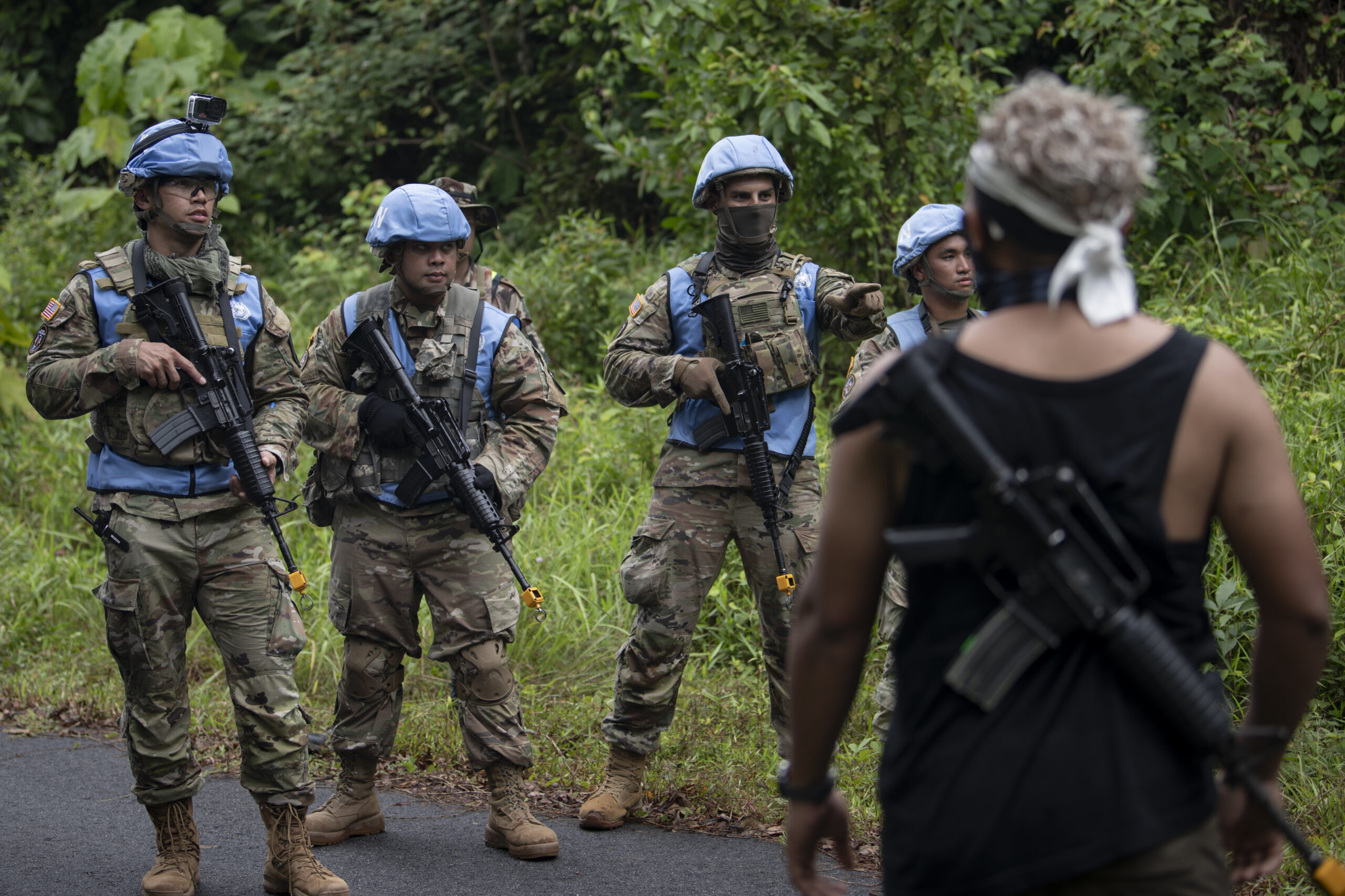
Every year, the summer solstice arrives with a flurry of standard news imagery. We see the same photo galleries on our screens: a group of grinning swimmers wading into a misty lake, a silhouette of a hiker standing on a jagged peak, a time-lapse of the sun cresting over an ancient stone monument. The captions are always brief, flat, and detached. In pictures: Swimmers and hikers enjoy solstice. But a photograph only captures the surface. It catches the reflection of light on water, but it misses the ache in the muscles. It shows the smile, but it ignores the heavy, complicated reasons why someone would willingly deprive themselves of sleep to stand on a freezing hilltop at dawn. To understand the solstice, you have to look past the beautiful frames. You have to understand the collective human urge to reset.
The Anatomy of the Darkest Morning
Consider a hypothetical person. We will call her Sarah. Sarah is forty-two, handles logistics for a retail firm, and has spent the last six months feeling like she is drowning in a sea of notifications, unread emails, and the ambient anxiety of modern life. She is not a mountaineer. She does not identify as an outdoorswoman. Yet, on the morning of June twenty-first, she is standing at the base of a steep, grassy ridge in the Peak District, her breath pluming in the cold air.
Her boots are damp from the dew-soaked grass. Her thighs burn. Every logical instinct tells her to turn around, to go back to the warmth of her car and the comfort of a predictable routine.
Why is she here? Because modern existence is a relentless conveyor belt. It lacks punctuation. In the past, human lives were dictated by distinct rhythms—the harvest, the changing of the seasons, the hard boundaries between day and night. Today, the lights never turn off. The market never sleeps. The smartphone in Sarah’s pocket ensures that Tuesday bleeds into Wednesday, which bleeds into a weekend that offers no real rest, only a different flavor of screen time.
The summer solstice offers something rare: a cosmic hard stop. It is the longest day of the year, a celestial milestone that cannot be optimized, monetized, or rescheduled. By climbing a hill in the dark, Sarah is forcing a pause. She is creating a physical marker in her year, a distinct point where she can say, Before this, I was exhausted. After this, I begin again.
The climb is not romantic. It is muddy, dark, and lonely. But as the sky shifts from indigo to a pale, bruised violet, she notices she is not alone. Ahead of her and behind her, tiny beams of headlamps bob in the darkness. A silent procession of strangers, all chasing the same fleeting moment of clarity.
The Shock of the Cold Reset
Hundreds of miles away, on a rocky stretch of the coastline, the manifestation of this urge looks entirely different. It looks violent.
At 4:45 AM, the North Sea is an intimidating expanse of grey slate. The water temperature hovers around twelve degrees Celsius. To the uninitiated, voluntarily stepping into this environment at daybreak looks like a form of madness. Yet, dozens of people are lining the shore, stripped down to swimsuits, their skin goosepimpled in the biting wind.
Cold-water swimming has undergone a massive cultural renaissance, often analyzed through the lens of physical health or wellness trends. Analysts point to the release of endorphins, the reduction of inflammation, and the vagus nerve stimulation. These facts are true, verified by sports science. But the science misses the emotional truth of the experience.
When your skin meets water that cold, your brain stops scheming. It stops worrying about mortgage rates, relationship fractures, or the project deadline that has been hovering over your week like a dark cloud. Your entire universe shrinks to a single, urgent imperative: breathe.
It is a radical simplification of existence. For a few intense minutes, you are not a professional, a parent, a citizen, or a consumer. You are merely a biological organism navigating a profound sensory shock. The water strips away the accumulated grime of daily anxieties, leaving only the raw, baseline reality of being alive.
Watch the faces of the swimmers as they emerge from the surf. They are shaking. Their skin is mottled red and white. Their teeth chatter so hard they can barely hold a mug of tea. But their eyes are incredibly clear. The laughter that breaks out along the beach is loud and unfiltered. It is the sound of survival, a collective sigh of relief from people who have successfully jolted their systems out of a comfortable, suffocating lethargy.
The History Written in Our Bones
This urge to mark the sun’s highest point is not a modern luxury born of middle-class burnout. It is an ancient, deeply encoded human behavior.
For thousands of years, our ancestors watched the horizon with an intensity we can barely comprehend. To them, the solstice was not a headline or a photo opportunity; it was a matter of life and death. It marked the turning of the wheel, the moment when the light peaked and the slow, inevitable descent into winter began. They built massive stone structures—Stonehenge, Newgrange, Avebury—to track these movements with mathematical precision.
We like to think we have evolved past this dependency. We have central heating, artificial lighting, and global supply chains that deliver strawberries in January. We have insulated ourselves from the natural world so effectively that the seasons feel like little more than a wardrobe change.
But our biology remembers.
Our bodies still crave the alignment that our ancestors sought. When we deny ourselves that connection, when we live entirely within climate-controlled boxes illuminated by the blue light of LEDs, something inside us begins to wither. We experience a subtle, persistent alienation—a feeling that we are out of sync with the world we inhabit.
The people climbing hills and diving into oceans on the solstice are practicing a form of vernacular archaeology. They are digging up an ancient, instinctual coping mechanism. They are remembering that they are creatures of the earth, bound to the same celestial mechanics that govern the migration of birds and the blooming of wildflowers.
The Vulnerability of the Peak
The real climax of the solstice story does not happen during the swim or the hike. It happens in the quiet interval just before the sun appears.
Imagine standing on the summit of a hill after an hour of climbing. The wind is howling, cutting through your jacket. You are tired, cold, and questioning your choices. The sky is getting lighter, but a thick layer of low-lying cloud sits on the eastern horizon.
This is the moment of doubt. Every person who has ever woken up early for a solstice knows this feeling. You realize that nature does not care about your narrative. There is no guarantee of a spectacular sunrise. The clouds might remain thick, the sky might stay a dull, uninspiring grey, and you might be left standing in the damp fog with nothing to show for your effort but wet socks and a runny nose.
It is a vulnerable position to be in. In a world where we can control almost every variable—where we can stream any movie instantly, order groceries to our door in an hour, and curate our social media feeds to show only perfection—the sunrise forces us to confront our lack of control. You cannot force the sun to break through the cloud cover. You can only wait.
But then, it happens.
A tiny fissure opens in the grey bank of clouds. A single beam of light, intense and amber, cuts across the landscape. It hits the hillside, turning the wet grass into a field of liquid gold. The warmth is instantaneous, hitting your face like a physical hand.
In that single moment, the collective tension on the summit dissolves. No one speaks. People don’t even take out their phones immediately. They just stand there, bathed in the new light, soaking in a spectacle that has occurred every day for over four billion years, but feels entirely personal.
Beyond the Photo Gallery
It is easy to dismiss the solstice pictures as just another lifestyle trend, a visual footnote in a fast-moving news cycle. But that perspective diminishes a profound human truth.
The people in those photographs are performing a necessary act of maintenance on their souls. They are breaking the monotony of the modern routine. They are seeking out discomfort to remind themselves of their own resilience. They are gathering with strangers in the dark to witness a shared, undeniable beauty.
The sun will set on the solstice, and the days will begin their long, slow contraction toward winter. Sarah will return to her office, her inbox will fill up again, and the swimmers will put their coats back on and head to their day jobs. The magic of the morning will inevitably fade into the background noise of ordinary life.
But something will have shifted. The memory of the cold water, the burning in the lungs, and the sudden, golden explosion of light on a lonely hilltop remains. It is a deposit in the bank of human experience, a reminder that underneath the layers of technology, stress, and societal expectation, we are still capable of wonder. We are still willing to lose a night of sleep just to watch the world turn.