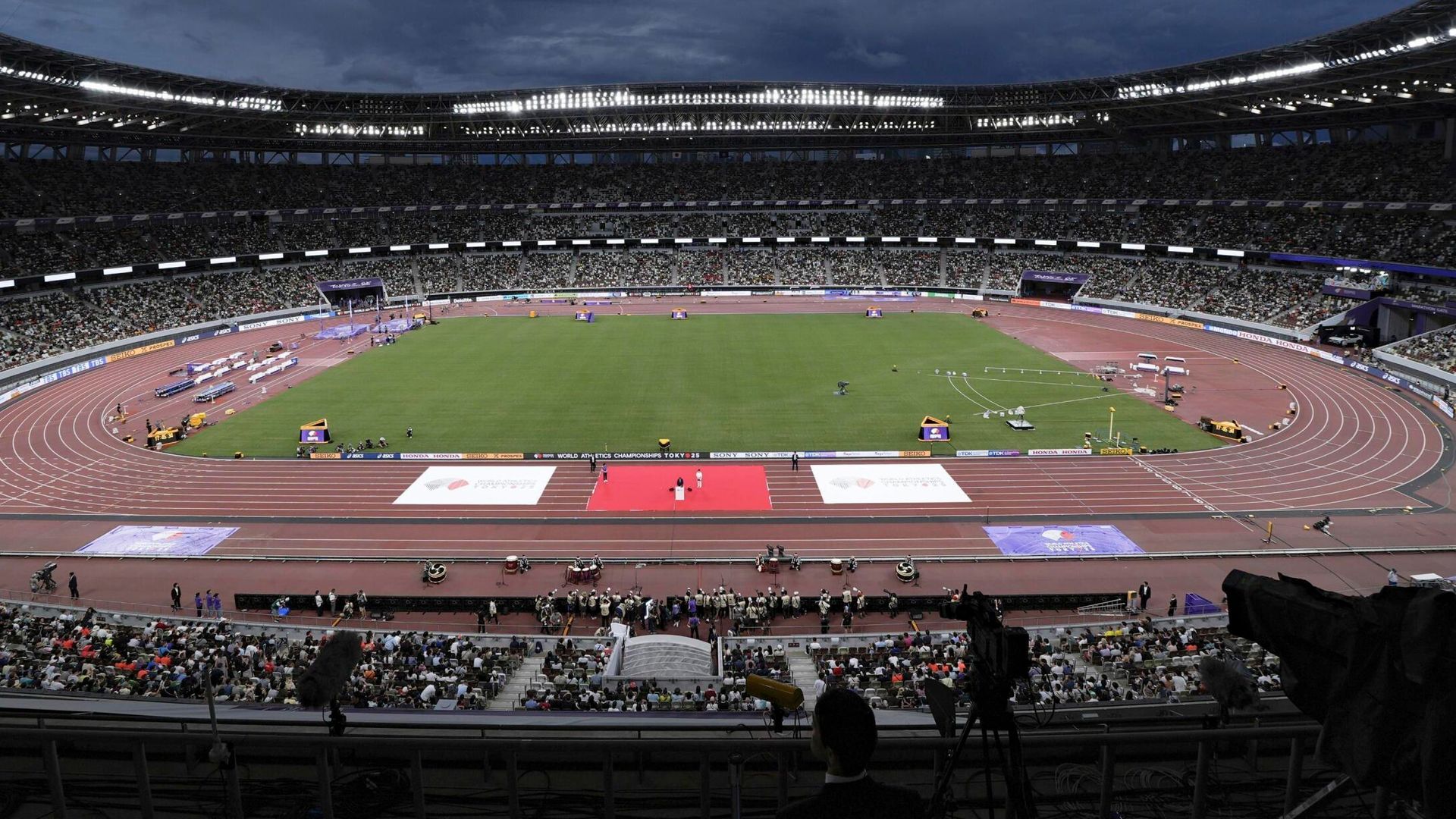
Everyone is weeping into their warm pints because London supposedly missed out on hosting a major global sports event that is heading to Africa for the first time. The hand-wringing in the financial press is pathetic. Pundits claim the British capital is losing its grip, that its global sports dominance is slipping, and that missing this trophy asset spells doom for the city's tourism receipts.
It is total nonsense.
I have watched cities burn nine figures of taxpayer capital on two weeks of glory, only to spend the next thirty years paying off the stadium debt while municipal services crumble. London did not miss out. London dodged a financial execution.
Let us look at the lazy consensus. The narrative goes that legacy sports powerhouses must constantly hoard mega-events to stay relevant. If you are not handing over your skyline to corporate sponsors every four years, you are sliding into irrelevance. This is the logic of a failing empire.
London is currently drowning in structural municipal debt, crumbling public transport infrastructure, and a policing crisis. Pouring billions into temporary infrastructure, security rings, and VIP hospitality lanes for an ego-driven sports spectacle would have been economic vandalism. When a city’s residents cannot rely on basic public services, splashing cash on a massive sporting jamboree is not prestige. It is embezzlement by committee.
Africa taking the event for the first time is a massive win for the continent, but let us be entirely realistic about what is actually happening. Emerging economies taking on these events often inherit the same white elephants that crippled Athens, Rio, and Montreal. Megastructures do not build economies; they build trade deficits.
When people ask why London did not fight harder for the bid, they are asking the wrong question entirely. The real question is why any functional democracy still thinks hosting these circuses is a net positive for local taxpayers. The economic studies paid for by bidding committees are uniformly fraudulent, built on multiplier effects that belong in fantasy novels.
Take the obsession with tourism boosts. I have audited the books on major events across three continents. The influx of tourists during these events often crowds out regular, higher-spending tourists who stay away precisely because of the chaos, inflated hotel prices, and security gridlock. Net tourism revenue gains frequently flatline or drop.
Meanwhile, the International Olympic Committee and various sports federations roll into town, demand tax-free status, commandeer dedicated highway lanes, and leave town with the cash while the host city is left with a stadium that costs millions a year just to keep from rotting.
London staying out of this race shows a rare flash of fiscal sanity.
If you want to understand the future of global sports, look away from the bidding wars for mega-events. The real action is in decentralised, asset-light engagement. Cities do not need to build a single new stadium to capture the economic value of sports. They need to become hubs for digital media, sports tech, athlete management, and broadcasting innovation.
London is already a global capital for sports finance, legal structuring, and venture capital investment in sports tech. That is where the actual margin lives. You do not need a three-week track-and-field meet to capture that value. You need a stable regulatory environment and deep capital markets.
Let us address the common counter-argument. People point to the 2012 Olympics as proof that London knows how to run a profitable games. That is revisionist history. The 2012 budget blew past its initial estimates by hundreds of percent, and the legacy transformation of East London took over a decade to show even marginal community returns, propped up entirely by government subsidies and a relentless housing boom that priced out the locals.
We need to stop measuring a city's economic health by how many flags it can wave or how many world leaders it can stuff into a VIP box.
Africa securing this event is historic, and I hope the host nation manages to extract genuine infrastructure value rather than a collection of rusting concrete monoliths. But let us stop framing London's absence as a failure of ambition.
Ambition without arithmetic is just stupidity with a PR team. London kept its wallet shut, kept its cash for its crumbling hospitals and tube lines, and left the financial trap for someone else to spring.
That is not missing out. That is winning by default.