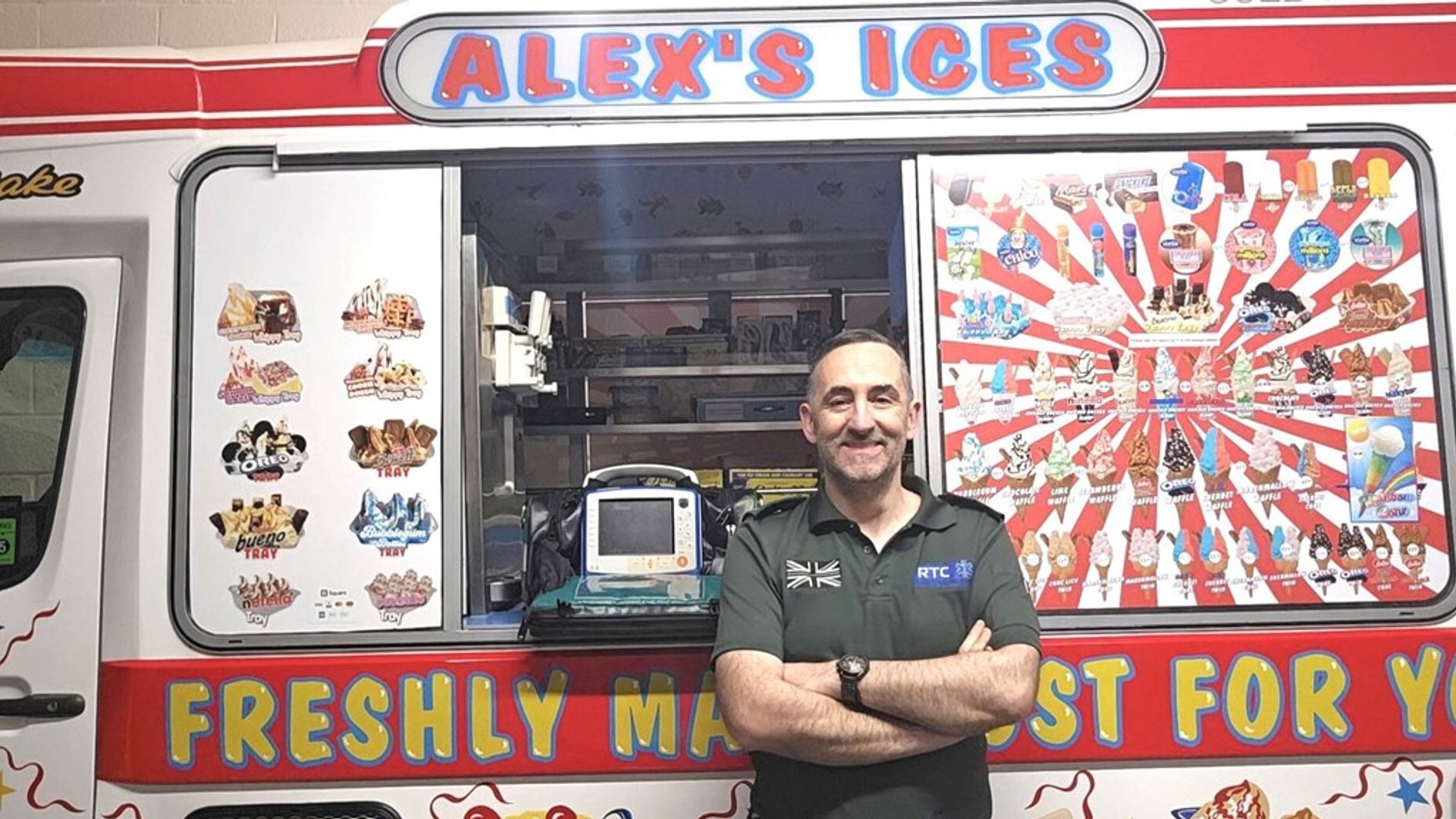
Every summer, the same predictable profile hits the local news. A smiling, artisanal ice cream shop owner stands in front of a pastel menuboard, lamenting the rising cost of cream, sugar, and waffle cones. They look into the camera, sigh about their razor-thin margins, and explain that charging nine dollars for a double scoop of salted caramel is the only way to keep the lights on. Then, to humanize themselves, they laugh and claim they barely ever eat their own product because "you get sick of it after a week."
It is a beautifully crafted narrative. It is also complete nonsense.
I have spent fifteen years managing supply chains and pricing structures for regional dessert franchises. I know the exact ledger lines of these businesses. The cozy, defense-mode explanation of boutique ice cream pricing is a convenient smokescreen. It hides inefficient operations, massive psychological markup strategies, and a fundamental misunderstanding of consumer behavior.
Stop buying into the romance of the struggling scooper. Let us look at what is actually happening behind the counter.
The Milk Fat Myth: What You Are Actually Paying For
The lazy consensus in the dessert industry is that ingredient costs dictate the retail price. Outraged owners point to the commodities index for dairy and sugar as if they are trading oil futures.
They are distracting you.
When you buy a premium scoop of ice cream, the ingredients account for less than 15% of the total ticket price. The financial reality of a scoop shop does not hinge on the price of organic milk. It hinges on two brutal variables: throughput and real estate.
Ice cream is a high-margin, hyper-seasonal volume play. A standard three-gallon tub of premium ice cream costs a commercial operator roughly twenty to thirty dollars to produce or procure. That single tub yields about sixty standard four-ounce scoops. If a shop charges six dollars per scoop, that tub generates $360 in revenue.
That is a gross margin hovering around 90%.
[Typical Scoop Shop Cost Breakdown]
Ingredients: 12%
Labor & Overhead: 45%
Wastage & Shrink: 8%
Net Profit Margin: 35%
Do not let them tell you the vanilla bean shortage is ruining their livelihood. The real killer is the winter.
Shops overcharge you in July because they do not know how to drive traffic in January. Instead of innovating their product line or adjusting their footprint during the off-season, they subsidize months of dead rent by gouging walking traffic during the ninety days of summer. You are not paying for premium ingredients; you are paying a premium tax for their inability to balance a twelve-month ledger.
The Psychological Trap of the 'Artisanal' Label
We need to talk about overrun. This is the technical term for the amount of air pumped into ice cream during the churning process.
Mass-market commercial ice cream can have an overrun of up to 100%. That means half of the container you buy at the grocery store is literal air. Premium ice cream drops that overrun to somewhere between 20% and 40%, resulting in a denser, richer product.
Boutique shops use this technical difference to justify astronomical price hikes. They slap the word "artisanal" on the window and pretend they are practicing ancient alchemy.
The truth? Lowering overrun requires better machinery, not more expensive labor. Once a shop invests in a high-quality batch freezer, producing dense ice cream costs marginally more than producing fluffy ice cream.
The "craft" label is a psychological lever used to manipulate your perception of value. Operators know that consumers associate density with luxury. By keeping their batches small, they create an artificial scarcity that justifies a 300% markup on a product that took twenty minutes to churn. It is a brilliant marketing trick, but it has nothing to do with the intrinsic cost of production.
Why the "I Don't Eat My Own Product" Line is a Red Flag
In almost every insider interview, the owner or head maker drops the mandatory quote: "People think I eat ice cream all day, but I actually rarely touch it anymore."
This is supposed to sound relatable. It should actually make you walk out the door.
In the culinary world, a chef who refuses to eat their own food is a liability. In the ice cream business, this admission usually betrays a lack of rigorous quality control. Ice cream is highly volatile. It suffers from temperature shock, crystallization, and flavor fatigue faster than almost any other dessert.
If the person running the shop is not constantly sampling the inventory, they are missing the subtle degradation of the product. A tub that sits in a display cabinet for four days develops a microscopic layer of ice crystals. The fat separates. The texture shifts from velvety to gritty.
When an owner claims they are sick of their own product, it often means they have stopped paying attention to the operational details. They are checked out, relying on the brand’s momentum and the summer heat to clear inventory rather than maintaining a pristine standard. The best operators I know—the ones running highly profitable, cult-status brands—taste every single batch that comes out of the machine. They never lose the palate for it, because the moment you stop eating it, you stop noticing when it sucks.
Dismantling the "People Also Ask" Assumptions
If you look at online forums or business FAQs regarding the dessert industry, the questions are fundamentally flawed because they accept the industry's self-pitying premise.
"Why is dairy-free ice cream so much more expensive to make?"
It isn't. This is a classic case of charging what the market will bear under the guise of specialized manufacturing. Oat milk, coconut cream, and almond bases do carry a slight premium over standard fluid milk, but the difference does not justify the two-dollar upcharge added to the menu. Operators exploit the health-conscious or allergic demographic because they know these consumers are conditioned to pay a premium for alternative products. It is a margin-grab, pure and simple.
"Do scoop shops make their money on toppings?"
No. Toppings are an operational nightmare. They introduce cross-contamination risks, slow down the assembly line, and create massive inventory shrink through spoilage and employee theft (grazing). The real money is made on plain, high-volume flavors served in standard paper cups. Cups require zero labor to prepare, unlike waffle cones which demand dedicated staff time and floor space for a baking iron. The cup is the highest-margin item in the building.
The Dangerous Downside of the Craft Model
Let us be completely transparent about the risks of fighting this operational model. If a shop owner decides to abandon the high-margin, premium-pricing strategy and cut prices to volume-match mass producers, they usually go bankrupt within six months.
I am not suggesting that ice cream should cost ninety-nine cents a scoop. The physical footprint of a brick-and-mortar retail space demands a healthy margin. The danger lies in relying solely on the "craft" narrative while ignoring the structural inefficiencies of the business.
When you base your entire value proposition on an emotional story about small batches and local milk, you become incredibly vulnerable to any shift in consumer spending. The moment a recession hits, the nine-dollar scoop is the very first luxury consumers cut from their budget.
The sustainable path forward for the industry requires a complete rejection of seasonal dependence. True business resilience comes from diversifying the product mix to survive the winter—introducing ambient desserts, high-margin hot beverages, or wholesale distribution channels—rather than squeezing the summer consumer until they bleed.
Stop Tolerating Mediocrity in a Sugar Cone
The next time you stand in a long line on a hot Saturday night, look past the rustic wood paneling and the quirky flavor names. Look at the efficiency of the line. Watch how much product is being wasted on the scoopers. Note whether the staff is leveling the tubs correctly to prevent freezer burn.
Do not accept the narrative that high prices are an inevitable consequence of an honest artisan trying to survive in a cruel world. You are paying for the theater of the shop and the inefficiencies of the winter months.
If a business is going to charge premium prices, demand a flawless product. Demand an owner who proudly eats their own creation every single day because they are obsessed with maintaining the texture. Demand an operation that runs with precision, not one that hides behind the excuse of commodity inflation while pocketing a massive gross margin.
Stop buying the sob story. Demand better ice cream.