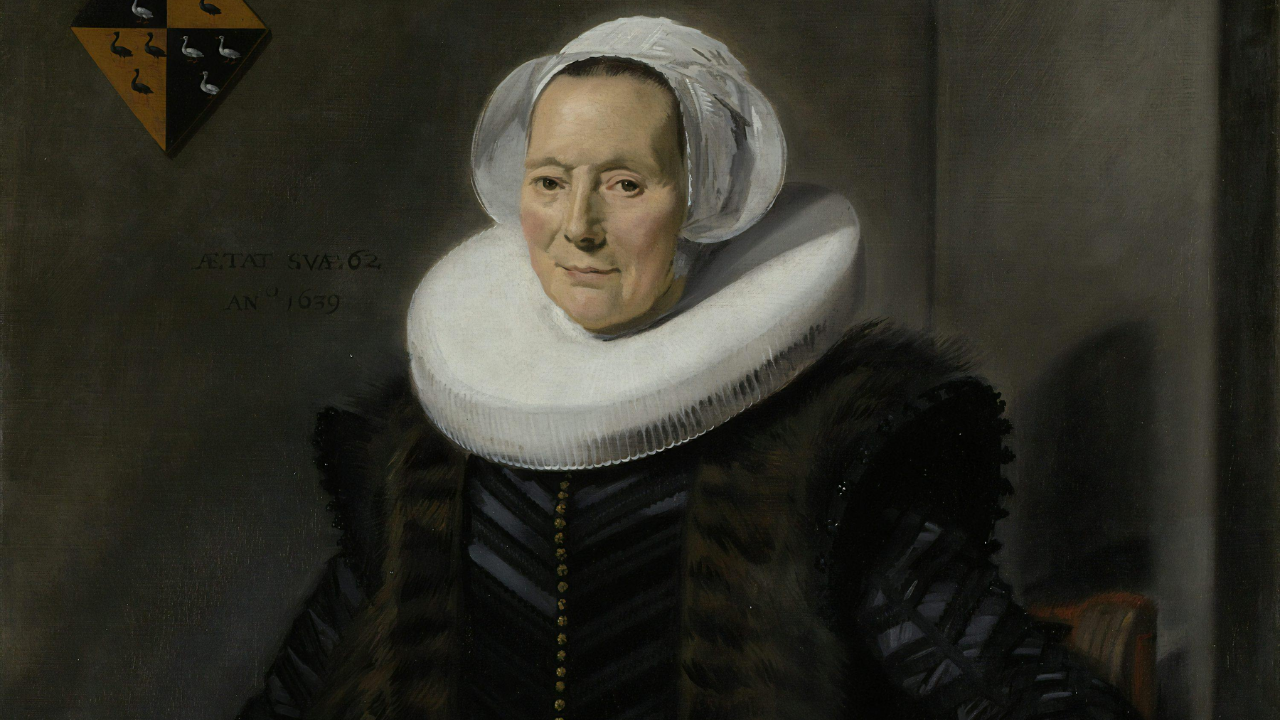
Auction estimates are wrong all the time. Sometimes a piece flops because the market is cold, and other times a quiet lot from a dusty country house triggers a bidding war that blows past expectations by nearly ten times. That's exactly what happened when a little-known Dutch painting from an English manor collection sold for £70,000 against a modest £8,000 estimate.
Most casual observers look at a result like that and assume the auction house missed something obvious. They didn't. Valuing Old Master and Dutch Golden Age works—especially unsigned or workshop pieces—is notoriously tricky. When a painting comes out of a private English estate after sitting untouched for decades, specialists have to balance what they can prove on paper against what collectors might gamble on in the room. Recently making headlines in this space: Inside Burkina Faso's Radical Legal Overhaul From Reinstating the Death Penalty to Banning Beauty Pageants.
How English Manor Collections Hide Sleeper Hits
British country houses have been the single richest hunting ground for art dealers for over a century. During the 18th and 19th centuries, wealthy British families went on the Grand Tour across continental Europe and bought up Dutch, Flemish, and Italian paintings by the crate. They hung them in drawing rooms, libraries, and dimly lit hallways, often without keeping receipts or tracking attributions as generations passed.
Fast forward a hundred years, and heavy layers of yellowed varnish, surface grime, and old overpainting can completely obscure the quality of the brushwork underneath. When an estate goes to auction, regional specialists often have hundreds of lots to catalog on tight deadlines. They have to play it safe. More insights on this are detailed by Associated Press.
If a Dutch painting lacks a clear signature or ironclad provenance, an auction house won't stick its neck out with a £60,000 estimate. Doing so risks scaring off bidders and leaving the lot unsold. Setting an £8,000 estimate isn't a mistake—it's a deliberate strategy to get people in the room and let the market decide the real value.
What Bidders Actually Look For in Unattributed Dutch Art
When a little-known Dutch painting hits the block with a low estimate, serious dealers and private collectors don't just look at the catalog description. They look at the physical evidence on the canvas or panel. In the art trade, these are called "sleepers"—works that are cataloged conservatively as "Circle of," "Follower of," or simply "Dutch School," which turn out to be by a much bigger name once properly researched and cleaned.
Here is what drives the price from £8,000 to £70,000 in a matter of minutes:
- Condition of the support: Original oak panels from the 17th century carry specific bevels, cradle marks, or guild stamps on the back that tell an expert immediately whether the piece is period-authentic or a later 19th-century copy.
- Handling of light and texture: Even under dirty varnish, seasoned eyes can spot the crisp highlights on glass, metal, or fabric that separate a master painter from a mediocre imitator.
- Fresh-to-market provenance: Collectors hate "burned" pictures—paintings that have bounced around multiple auctions without selling. A work coming straight from an English manor collection has never been picked over by the trade.
- Subject matter appeal: Certain themes, like atmospheric winter landscapes, intimate tavern scenes, or detailed still lifes, always command stronger competition than dark religious subjects or formal portraits of unknown sitters.
It only takes two determined bidders who both believe they have spotted an attribution upgrade to send the hammer price skyrocketing. Once the bidding passes £20,000, the initial £8,000 estimate becomes completely irrelevant.
The Economics Behind Conservative Auction Estimates
People outside the art market often misunderstand what an auction estimate actually represents. It isn't an appraisal of retail replacement value. It's a marketing tool designed to generate liquidity.
Auction houses like Sotheby's, Christie's, and prominent regional British firms rely on sell-through rates to keep consignors happy. If a specialist estimates a painting at £8,000, the reserve price—the confidential minimum the seller will accept—is typically set at or just below that low estimate. That low entry point encourages dozens of dealers, restorers, and collectors to register for phone and online bidding.
Once ten people are fighting over a lot, psychology takes over. Nobody wants to lose a potential £100,000 discovery over an extra £2,000 bid. By the time the hammer falls at £70,000, the buyer is usually paying an additional buyer's premium on top of that price—often 25% to 26%—bringing the total outlay closer to £88,000.
Why Dutch Golden Age Works Remain Resilient
The broader art market goes through brutal cycles. Contemporary art prices can swing wildly based on gallery hype and billionaire trends. Traditional Old Masters, by contrast, operate on a much slower, more scholarly clock.
During the 17th century, the Dutch Republic experienced an unprecedented economic boom that created a massive middle class. Unlike in Italy or France, where the church and aristocracy commissioned most art, regular Dutch merchants bought paintings to decorate their homes. Millions of works were produced across specialized hubs like Amsterdam, Haarlem, Delft, and Utrecht.
Because output was so high, the supply of authentic 17th-century Dutch paintings hasn't completely dried up, even in 2026. Yet truly great examples are increasingly locked away in museum collections. When a fresh, high-quality work surfaces from a private British estate, the top dealers in London, Amsterdam, and New York pay attention immediately.
How Collectors Spot Value Before the Auction Starts
If you're trying to understand how buyers identify undervalued paintings before the rest of the market catches on, it comes down to doing the legwork that busy catalogers don't have time to finish.
- Inspect the reverse first. Fronts get restored and faked; backs tell the truth. Old wax collector seals, chalk marks from 19th-century auctions, and aged wooden stretchers give away a painting's real history.
- Use UV light and raking light. Attending the physical viewing is non-negotiable. A simple handheld ultraviolet flashlight reveals modern retouching, while shining a light sharply from the side shows impasto brushwork and hidden surface damage.
- Cross-reference museum databases. Platforms like the RKD (Netherlands Institute for Art History) house hundreds of thousands of archived images. Finding a compositional match or a recurring studio prop in a documented work can confirm an artist's hand within hours.
- Factor in restoration costs. Buying a dirty painting for £70,000 is only a win if the paint layer underneath is intact. Over-cleaned paintings—where harsh solvents stripped away the artist's final glazes—never recover their value, no matter who painted them.
What Sellers Should Do When Clearing an Estate
If you ever inherit or manage an older property with uncataloged paintings on the walls, the biggest mistake you can make is rushing to clean them or taking the first private offer from a local picker.
Leave the dirt alone. Amateur cleaning with household products or cheap restoration ruins surface integrity and slashes auction value overnight. Instead, get high-resolution photographs of both the front and the back of the frame, document any old labels or family notes attached to the piece, and request independent valuations from at least two specialists who regularly handle Old Master and European paintings. Letting multiple buyers compete in an open auction room—even starting from a conservative estimate—is still the most reliable way to let a sleeper hit find its true price.