High-profile criminal trials rarely end in quiet confusion, but the Lindsay Clancy case shattered that rule. When a Massachusetts judge declared a mistrial after seven grueling days of deliberations, it left a profound legal vacuum. The core issue wasn't just whether a former labor and delivery nurse suffered from severe postpartum psychosis when she strangled her three young children. It was about how twelve strangers struggle to reconcile absolute tragedy with the cold mechanics of criminal responsibility.
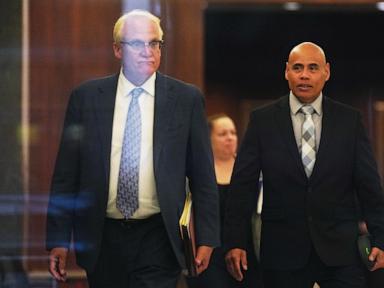
Weeks after the gavel came down, the lone holdout juror, Michael P. Desronvil, broke his silence to explain why he stood alone against an 11-1 split. His reasoning opened a window into the intense pressure cooker of a high-stakes jury room. While other jurors described feeling swayed by expert testimony on maternal mental illness, Desronvil pointed to what he perceived as deliberate, calculated steps during the horrific events. That clash of interpretations exposes the fundamental friction of the American jury system.
Inside the Deadlock
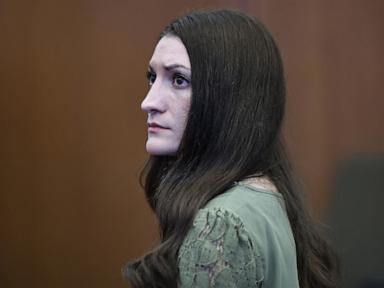
To understand why the trial stalled, you have to look past the headlines and examine the burden of proof. The defense argued fiercely that Clancy was trapped in a severe psychotic episode, pointing to an overmedicated mental state and a severe collapse in her psychological well-being. Yet, prosecutors pushed a narrative of cold calculation, emphasizing actions like sending her husband on errands to clear the house.
When the jury filed into the deliberation room, those two competing frameworks collided. Ten jurors—and eventually eleven—grew convinced that the prosecution failed to prove intent beyond a reasonable doubt, leaning heavily on psychiatric testimony regarding altered states of mind. But Desronvil saw the physical evidence differently. He maintained that the methodical nature of the acts pointed directly to awareness and planning, rendering him immovable despite days of argument from his peers.
The tension inside that room turned personal. Other panel members later voiced frustration, characterizing the deadlock as an insurmountable wall rather than a productive debate. When a jury is deadlocked, the psychological toll on its members is immense. You are asking ordinary citizens to weigh immense human suffering against rigid legal definitions, all while social pressure mounts from every side.
The Weight of Medical Defense and Public Grief
The case reopened deep national conversations surrounding maternal mental health, medical intervention, and the gray areas of the insanity defense. Critics of the prosecution argued that the legal system routinely fails to comprehend the terrifying reality of postpartum psychosis, treating severe psychiatric breaks like ordinary criminal actions. On the other side, victims' advocates and prosecutors argued that severe actions require accountability, regardless of mental health struggles.
Adding to the emotional weight of the proceedings was the harrowing testimony of Patrick Clancy, the children's father, who publicly spoke about forgiveness even as he navigated unimaginable grief. His presence in the courtroom shifted the emotional gravity, forcing jurors to balance the immense tragedy of a shattered family with the technicalities of forensic psychiatry.
What Happens Next
With the mistrial officially logged, the legal battle is far from over. Prosecutors retain the option to retry the case, putting the community and the legal system right back where they started. Meanwhile, defense attorneys have pushed aggressively for dismissals, arguing that a retrial fails to serve justice given the profound mental health context of the tragedy.
The outcome leaves everyone searching for resolution where none easily exists. Trials like this prove that the law often struggles to quantify the darkest corners of human psychology. When a jury cannot agree, it isn't always a failure of the system. Sometimes it is simply a reflection of an impossible tragedy that defies easy answers.
Lindsay Clancy trial holdout juror gives his first interview
This video report covers the public statements and background of the lone holdout juror who refused to acquit Lindsay Clancy.