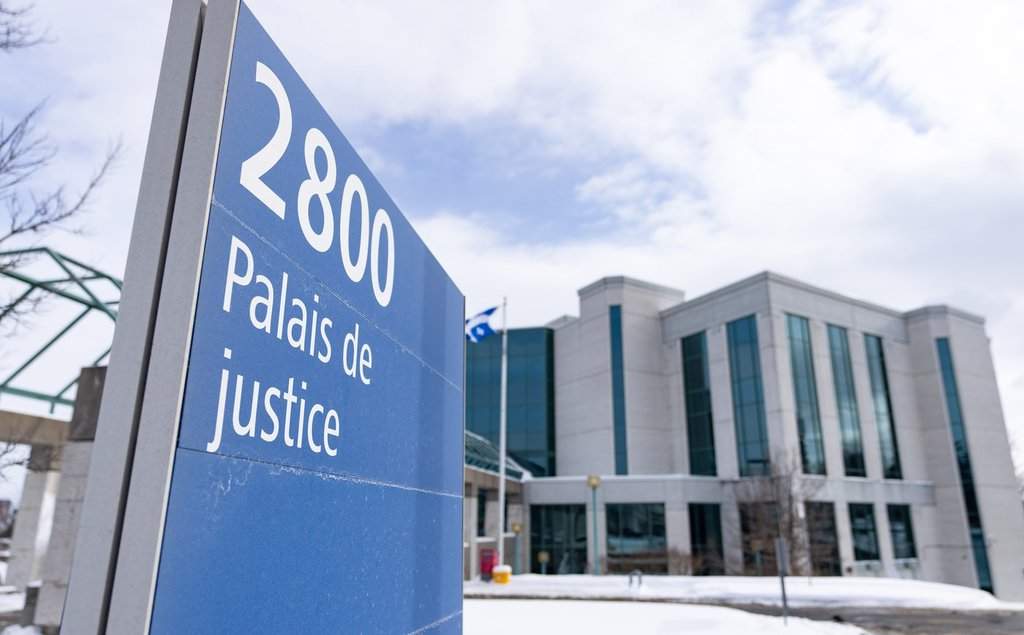
The friction between digital acceleration and institutional judicial processing creates a distinct operational lag in high-profile public misconduct cases. When an altercation at a Halifax retail store was captured on digital media and propagated across networks within hours, it triggered an immediate public demand for resolution. However, the legal apparatus governing criminal indictments operates on statutory timelines and evidentiary protocols that resist the instantaneous cadence of digital platforms. The repeated postponement of court appearances for the accused illustrates the systemic friction point where hyper-accelerated public visibility collides with traditional jurisprudence.
Analyzing this institutional delay requires breaking down the sequence into two distinct operational vectors: the velocity of digital dissemination and the procedural inertia of the Crown prosecution service. If you enjoyed this post, you might want to read: this related article.
The Vector of Digital Acceleration
Modern information loops distort public perception of procedural speed. When a video event enters public channels, it compresses geographic and temporal distance. Millions of observers consume the event simultaneously, creating an artificial sense of immediacy. The psychological cost of this compression is the expectation that state response times should mirror network latency.
When law enforcement executes an arrest—such as the apprehension in Port Dufferin involving tactical intervention—the digital ecosystem treats the physical containment of the suspect as the conclusion of the crisis. In operational reality, physical containment is merely the initiation phase of the evidentiary burden. For another angle on this story, check out the latest update from The New York Times.
The Jurisprudential Cost Function
The formal charging document undergoes continuous administrative and legal iteration. Crown prosecutors face a complex optimization problem: balancing public interest against the strict constitutional thresholds required for convictions under sections covering public incitement of hatred, assault, and weapons possession.
- Evidentiary Refinement: Initial charges laid under high-pressure conditions frequently undergo restructuring. Prosecutors substitute, add, or drop specific counts—such as modifications observed between the initial July arraignments and subsequent September court sessions—to ensure the indictment withstands rigorous defense scrutiny.
- Procedural Scheduling: Court dockets in provincial jurisdictions operate under structural backlogs. Adjournments driven by defense counsel requests for disclosure review or scheduling conflicts are routine operational bottlenecks rather than anomalies.
- Collateral Jurisdiction: Arrests executed during initial apprehension frequently yield secondary charges regarding resistance or weapons, expanding the scope of the pre-trial discovery phase and necessitating further scheduling delays.
Systemic Outcomes and Institutional Limitations
The reliance on criminal prosecution to address public manifestations of societal friction exposes the limitations of the justice system as an immediate feedback loop. Judicial frameworks are designed to isolate facts from public hysteria, enforcing a deliberate slowness that protects due process. Consequently, the legal system cannot satisfy the appetite for immediate retributive validation generated by viral video distribution.
The recurring rescheduling of trial dates highlights a structural dissonance. While digital platforms optimize for engagement through outrage loops, the courts optimize for evidentiary durability. Managing public expectations during high-visibility legal proceedings requires recognizing that procedural delays are a built-in feature of legal safeguarding, not a failure of execution.
To analyze future developments accurately, observers must decouple the real-time velocity of online distribution from the protracted mechanics of courtroom litigation, anticipating prolonged timelines before any definitive legal adjudication is reached.
The Halifax Costco Incident Overview
This video provides primary broadcast coverage and contextual background regarding the initial incident and subsequent law enforcement response in Halifax.