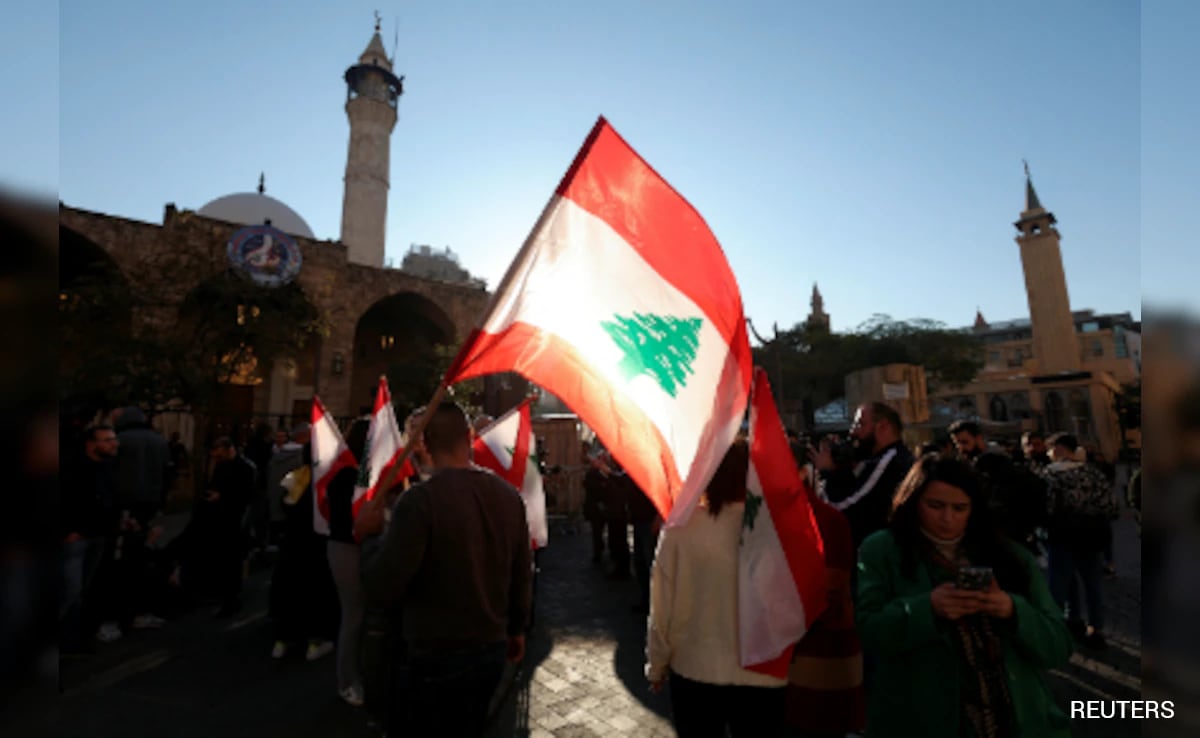
The clock is ticking on a fragile ten-day truce that most people didn’t think would last forty-eight hours. Right now, Lebanese officials are in Washington with a simple, desperate goal: turn a ten-day breather into a thirty-day ceasefire. It’s a high-stakes gamble that hinges on whether Israel believes Beirut can actually keep Hezbollah in check.
I’ve watched these "historic" negotiations cycle through the Middle East for years, but this time feels different. The 2026 conflict has already displaced over a million people—nearly 20% of Lebanon’s population. We’re not just talking about border skirmishes anymore; we’re talking about the systematic destruction of southern villages and a humanitarian crisis that’s pushing the Lebanese state to the edge of collapse.
The Washington Push for a One Month Extension
Lebanese President Joseph Aoun isn't just asking for a pause; he’s trying to buy time to rebuild a broken sovereignty. The current ceasefire, brokered by the U.S., is set to expire this Sunday. If the delegation led by former Ambassador Simon Karam can’t secure an extension, the "Black Wednesday" style airstrikes we saw on April 8th are likely to return with a vengeance.
The Lebanese strategy is basically a two-pronged prayer. First, they want a 30-day window to stop the demolition of southern towns like Bint Jbeil and Hanaouay. Second, they're promising the U.S. and Israel that the Lebanese Armed Forces (LAF) will finally be the only group carrying guns in the south. Honestly, it’s a promise Lebanon has made before, but with the country literally being torn apart, there’s a new sense of urgency in Beirut to sideline Hezbollah’s military wing once and for all.
What’s Actually Happening Behind Closed Doors
Don't let the polite diplomatic phrasing fool you. These talks are brutal. Israel has made it clear that they reserve the right to "self-defense" at any time. In plain English, that means if they see a Hezbollah drone or a missile launcher being moved, the ceasefire is over.
While the Lebanese government is trying to move toward normalization and territorial integrity, they’re caught in a pincer. On one side, you have an Israeli military that has already blown up the main bridges on the Litani River to isolate the south. On the other, you have Hezbollah, which acknowledged the truce but remains an armed "state within a state" that Iran isn't ready to let go of just yet.
The Real Sticking Points
- The Disarmament Clause: The U.S. and Israel are demanding that the LAF take exclusive control of the border.
- The Buffer Zone: Israel’s defense ministry previously announced plans to occupy up to the Litani River. Lebanon needs this talk of occupation off the table to even start a real peace process.
- The Hezbollah Factor: Naim Qassem’s forces are battered but not gone. Any deal Lebanon signs is only as good as Hezbollah’s willingness to stick to it.
Why a Ten Day Truce Isn't Enough
A ten-day ceasefire is basically a long weekend in the world of geopolitics. It’s enough time to pull some bodies from the rubble in Tyre or Beirut, but it’s nowhere near enough time to move five divisions of troops or repatriate a million refugees.
If Karam and his team can get that thirty-day extension, it changes the math. It allows for the formation of formal negotiating teams and, more importantly, it gives the Lebanese government a chance to prove they can actually govern their own territory without Hezbollah’s permission. Critics say Beirut is just stalling, but when your capital is being hit by "Operation Eternal Darkness" airstrikes, stalling is a survival strategy.
What You Should Watch For Next
The second round of talks in Washington this Thursday is the make-or-break moment. If the U.S. State Department announces an extension, it signals that there’s a real path to a permanent security agreement. If they don’t, expect the IDF to resume offensive operations the minute the clock hits zero on Sunday.
For those living in southern Lebanon, the advice remains grim: don't head back home just yet. Even with a ceasefire, the region is a graveyard of unexploded ordnance and leveled infrastructure. The Lebanese government is pushing for peace, but in this part of the world, peace is usually just the time spent reloading.
Keep an eye on the official statements coming out of Washington over the next 24 hours. If the word "extension" isn't in the headline, the war starts again on Monday.