Keeping the gates open until midnight sounds like an easy win for festival revenue. More hours should equal more foot traffic, which should equal more wine sold. Right?
Ask the exhibitors actually working the booths at the Hong Kong Wine & Dine Festival, and you'll get a very different story.
When event organizers extend evening hours—a move regularly pushed to revitalize Hong Kong's night economy—the immediate assumption is that merchants will cash in on the extra time. In reality, keeping a wine festival open later rarely translates into higher bottle sales. Instead, it shifts the crowd dynamic from serious buyers to casual late-night drinkers, driving up staffing costs while leaving full-bottle inventory sitting in boxes behind the counter.
If you've ever worked a trade floor or a consumer tasting event, you know the rhythm of the room. People don't buy cases of Bordeaux at 11:30 PM.
The Myth of the Late-Night Wine Buyer
There's a massive difference between someone drinking at a festival and someone buying wine to take home.
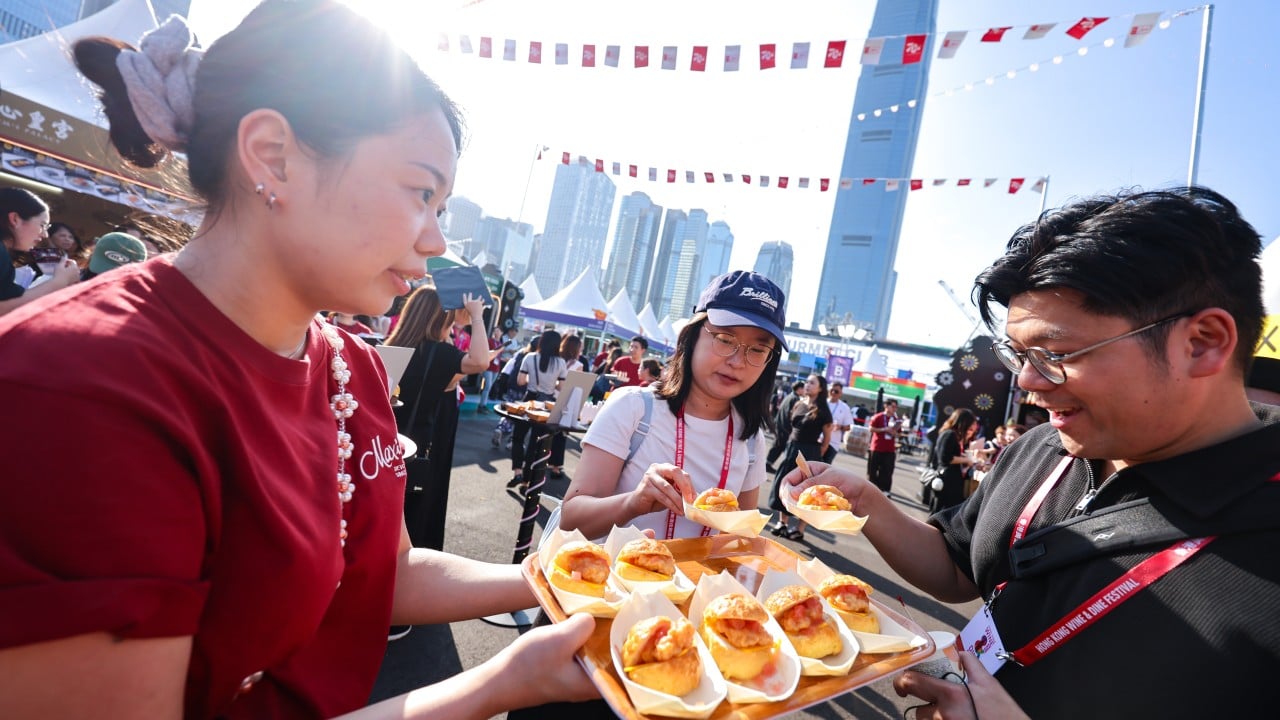
During the late afternoon and early evening, attendees walk the Central Harbourfront with clear heads and intact palates. They ask questions about vintage variations, oak aging, and terroir. These are the shoppers who scan QR codes, take business cards, and actually lug a heavy glass bottle—or two—back to the MTR station.
Once the clock pushes past 9:30 PM or 10:00 PM, the vibe changes completely.
The late-night crowd isn't looking for a 2018 Cabernet Sauvignon to cellar for five years. They're looking for a fun night out by the water, live music, and a quick pour by the glass. By that hour, palate fatigue has set in for almost everyone on the grounds. After six or seven tastings, subtle notes of wet stone and blackcurrant disappear. Everything starts tasting roughly the same.
Nobody makes a thoughtful HK$600 retail purchase when their taste buds are exhausted and they still have a commute ahead of them.
Logistics Kill Impulse Bottle Purchases
Think about the physical reality of carrying glass bottles around a massive outdoor venue.
A standard 750ml wine bottle weighs around 1.2 kilograms. Buy three bottles, and you're suddenly hauling nearly four kilograms of fragile glass through a crowded festival space. If you arrived at 7:00 PM and plan to stay until midnight because the hours were extended, you aren't going to buy bottles early and carry them around for five hours.
And you probably won't buy them at the end of the night either. By midnight, public transit options narrow, crowds bottleneck at the exits, and attendees just want to get home. Exhibitors consistently point out that token-based tasting pours stay steady late into the night, while off-premise retail bottle sales flatline well before last call.
What Extended Hours Actually Cost Exhibitors
For the Hong Kong Tourism Board and city planners, extended hours look great in press releases about boosting nightlife and tourism. For a small or mid-sized wine importer, those extra hours hit the bottom line immediately.
Running a booth at a major multi-day festival isn't cheap. Beyond the upfront booth rental fees, cold storage logistics, and tasting sample write-offs, labor is one of the biggest variable expenses.
When operating hours stretch later into the night, merchants face a few immediate operational headaches:
- Overtime and shift extensions: Sommeliers, brand ambassadors, and sales staff are already working grueling eight-to-ten-hour days on their feet. Extending closing time means paying overtime rates or hiring extra shift workers just to stand behind a counter during low-margin hours.
- Diminishing return on samples: Late-night festivalgoers burn through tasting tokens fast. Exhibitors end up pouring expensive inventory to crowds that have zero intention of converting into post-event retail or restaurant accounts.
- Security and crowd management: Later hours paired with alcohol naturally increase the risk of rowdy behavior, spilled inventory, and broken stemware, adding stress to already tired booth teams.
Honestly, most wine merchants treat consumer festivals as brand awareness exercises rather than direct profit centers. When you stretch the schedule without addressing how people buy, you just inflate their marketing overhead.
Hong Kong's Shifting Drinking Habits
You can't separate festival performance from what's happening across Hong Kong's broader beverage market.
Over the past few years, local consumer behavior has shifted dramatically. Duty-free wine policies turned Hong Kong into an Asian wine hub back in 2008, flooding the market with competitive retail options. Today, local drinkers don't need to wait for an annual harbourfront festival to access rare labels or good prices. Online wine platforms, boutique neighborhood bottle shops, and direct-to-consumer importer clubs deliver straight to apartment doors within hours.
Meanwhile, younger consumers in Hong Kong—much like in London, New York, and Tokyo—are drinking differently. Industry data across Asia-Pacific shows a steady rise in low-alcohol alternatives, craft cocktails, and highballs, alongside more selective spending on traditional wine. Many festival attendees show up for the social atmosphere and food pairings rather than to stock up on wine.
Even Hong Kong's "Night Vibes" initiatives, designed to keep locals spending in the city instead of heading north to Shenzhen for cheaper dining and entertainment, run into this structural reality. Keeping venues open later doesn't automatically create disposable income or change carrying habits.
What Actually Moves Bottles at Wine Festivals
If extending closing times doesn't boost bottle sales, what does? Exhibitors who consistently turn festival foot traffic into real revenue rely on smart mechanics rather than longer shifts.
Frictionless Home Delivery
The single biggest barrier to buying bottles at an outdoor event is carrying them. Smart exhibitors don't expect customers to walk out with glass in hand. Instead, they offer free or discounted local delivery on orders placed at the booth, often bundled with festival-exclusive case discounts. When a buyer can tap a QR code, pay via PayMe or AlipayHK, and have six bottles show up at their flat on Tuesday, weight stops being an issue.
Early-Bird and Afternoon Incentives
Rather than banking on midnight crowds, merchants see much better conversion rates when they incentivize early attendance. Afternoon sessions attract genuine enthusiasts, collectors, and hospitality buyers who want space to talk to winemakers. Offering limited-allocation pours or steep bottle discounts before 6:00 PM rewards serious shoppers while they still have fresh palates.
Post-Festival Retargeting
A festival booth is a lead-generation engine. Collecting emails or WhatsApp opt-ins in exchange for a bonus tasting pour allows importers to follow up three days later—when the customer is sober, sitting at their desk, and remembering that great Syrah they tried on Saturday afternoon. A well-timed follow-up code converts far better than a hard sell at 11:45 PM.
How Exhibitors and Organizers Should Adjust
If you're exhibiting at or planning around Hong Kong's wine events, stop treating late closing times as a sales opportunity and manage them like a controlled marketing expense.
- Split your booth staffing into two distinct shifts. Put your sharpest, most knowledgeable wine educators on the floor from opening until 8:30 PM to handle high-value buyers and trade leads. Transition to high-energy hospitality staff for the late-night tasting rush so your senior team doesn't burn out.
- Switch your inventory focus after 9:00 PM. Pull your high-end, complex bottles off the tasting line late in the evening. Feature approachable, crowd-pleasing wines with better margins—crisp whites, sparkling wines, and fruit-forward reds—that hold up well when palates are tired.
- Eliminate physical carry-out friction. Set up a clean digital checkout flow with doorstep delivery incentives so attendees can buy three or six bottles without carrying a single gram out of the venue.
- Cap your late-night sample budget. Allocate a strict number of bottles for late-evening pours, and once they're gone, close out the tasting line cleanly rather than bleeding expensive stock into a crowd that isn't buying.
Festival organizers can keep the lights on until midnight to build a lively waterfront atmosphere, and there's nothing wrong with throwing a great party. Just don't expect the cash registers at the wine booths to ring any louder because of it.