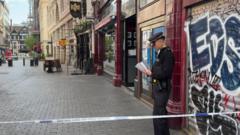
A peaceful night in London's West End turned into a scene of chaos when a car plowed into several pedestrians in the heart of Soho. This wasn't just another traffic mishap. It was a violent disruption of one of the world's most famous entertainment districts. Now, the woman allegedly behind the wheel is facing the legal consequences of that night. Courts are looking at the evidence, and the public is left wondering how safety measures in high-footfall areas like Soho are failing so spectacularly.
The Court Appearance and the Charges
Legal proceedings have officially begun for the woman involved in the Soho car collision. She stood before a magistrate to answer for the events that left multiple people injured on the sidewalk. While the legal system moves at its own pace, the charges usually leveled in these instances—ranging from dangerous driving to causing serious injury by vehicle use—carry heavy weight. The prosecution is building a case based on CCTV footage, witness statements, and forensic analysis of the vehicle's speed and trajectory.
Public safety in Soho is a constant battle. You've got narrow streets, thousands of tourists, and a nightlife scene that doesn't sleep. When a vehicle enters that mix and loses control, the results are almost always devastating. The court isn't just deciding one person's fate. It's highlighting the ongoing tension between pedestrian-heavy zones and vehicular access in London.
Why Soho Pedestrian Safety is Reaching a Breaking Point
Honestly, if you've walked through Soho on a Friday night, you know it's a miracle these accidents don't happen more often. The area was never designed for the sheer volume of people it hosts today. City planners have flirted with the idea of total pedestrianization for years, yet cars still find their way into these packed corridors.
The collision that led to this court case serves as a grim reminder. When we talk about "accidents," we often ignore the structural failures that allow them to occur. A driver's error is one thing, but a street layout that puts a ton of metal within inches of a crowd is a systemic gamble. We're seeing more calls for bollards, timed road closures, and stricter enforcement of traffic flow.
Wait times for emergency services in central London are generally good, but in the narrow alleys of Soho, every second counts. The victims of this specific crash were treated at the scene before being rushed to major trauma centers. Their recovery is the human side of a story that often gets buried under legal jargon and court dates.
The Legal High Bar for Dangerous Driving
Proving dangerous driving in a UK court isn't a walk in the park. The Crown Prosecution Service (CPS) has to show that the standard of driving fell "far below" what would be expected of a competent and careful driver. It’s a higher threshold than "careless driving."
Investigators look at several factors:
The speed of the vehicle relative to the crowded environment.
Evidence of distraction, such as mobile phone use or external factors.
The mechanical state of the car, ensuring no sudden failure caused the veer.
The driver's sobriety and mental state at the time of impact.
If the court finds that the driver ignored clear risks—like driving at speed through a crowd—the sentencing can include significant prison time. This case is being watched closely because it sets a tone for how London handles traffic violence in its most vulnerable cultural hubs.
What This Means for West End Nightlife
The hospitality industry in Soho lives or dies by foot traffic. Business owners are rightfully worried. Every time a car hits a pedestrian, it sends a wave of anxiety through the district. People want to feel safe while they're grabbing a drink or heading to a theater.
There's a growing movement among local residents and business groups to rethink the "shared space" model. They argue that Soho should be for people, not cars. This isn't just about aesthetics or carbon footprints. It's about life and limb. The current court case provides the legal ammunition needed to push for permanent changes to road access.
Accountability and the Road Ahead
Justice for the victims involves more than just a guilty verdict. It involves a serious look at how we permit vehicles to operate in dense urban environments. The woman in court faces a life-changing moment, but so do the people she hit. Some injuries from these types of collisions result in lifelong chronic pain or disability.
We often see these stories flash across the news and then disappear. But for the legal teams and the survivors, the work is just beginning. The evidence presented in the coming weeks will likely reveal more about the moments leading up to the crash—whether it was a momentary lapse in judgment or a blatant disregard for public safety.
Steps You Should Take If You Witness a Major Collision
If you ever find yourself in a situation like the Soho crash, your actions in the first five minutes are vital. Don't just stand there with your phone out.
First, ensure your own safety so you don't become another casualty. Call emergency services immediately and provide a specific location—in Soho, use shop names or "What3Words" locations because street signs can be hard to find in the dark.
If it's safe, stay as a witness. Your account of what happened before the car hit the curb is worth more to the police than any grainy video. Note the time, the lighting conditions, and the behavior of the driver immediately after the stop.
The legal process for the Soho incident will continue at the Crown Court. Expect more details to emerge regarding the driver’s history and the specific mechanical data from the car's onboard computer. This data often tells a much more honest story than a witness who was in shock.
Keep an eye on local council meetings if you live or work in the area. The push for a car-free Soho is gaining momentum, and these legal proceedings are often the catalyst for real policy change. Don't wait for another headline to demand safer streets. Support the expansion of pedestrian zones and hold local authorities accountable for the way they manage traffic in the city’s busiest districts.