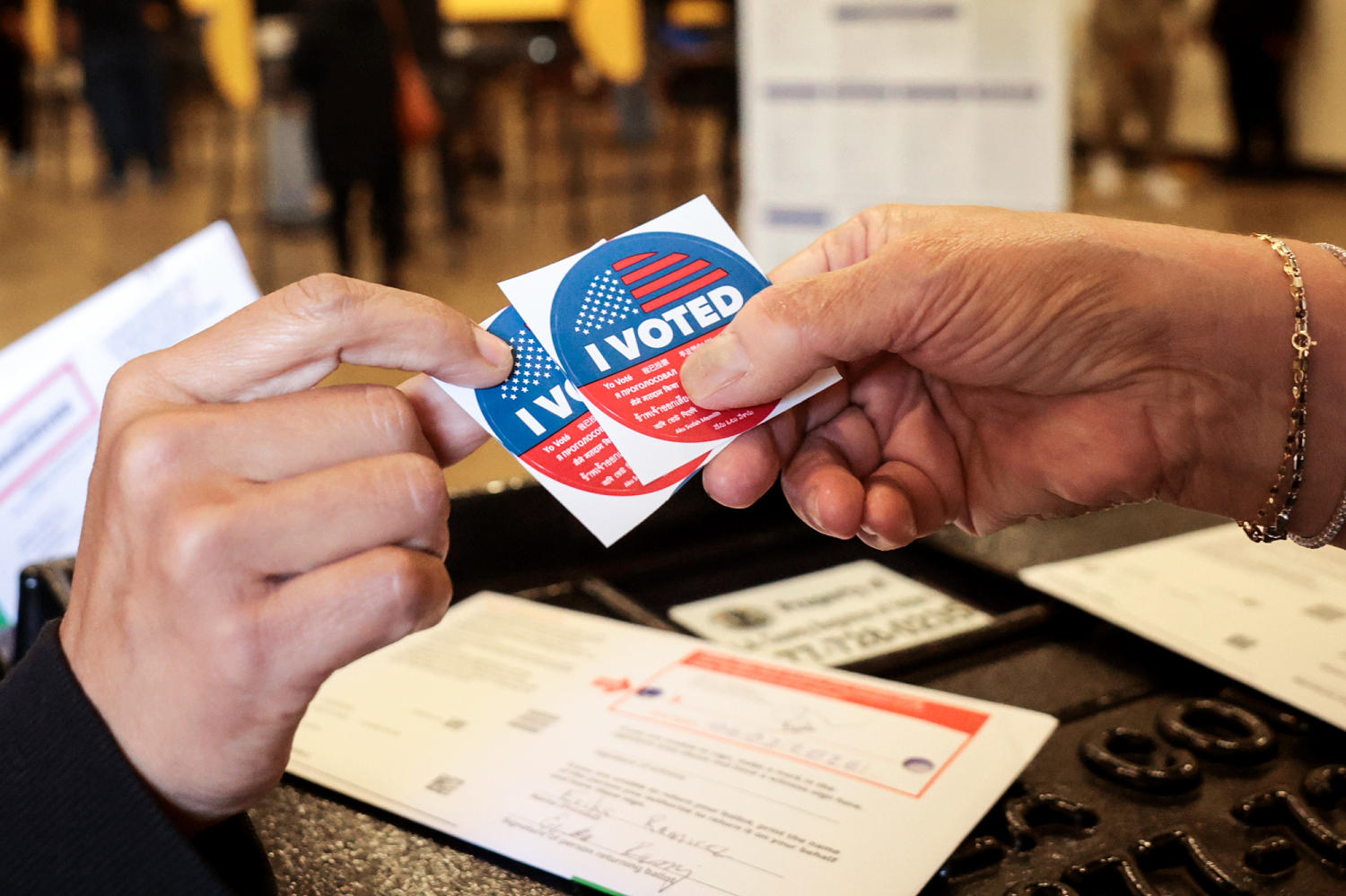
Federal prosecutors threatened legal action, waved a list of more than 20,000 suspected noncitizen registrants, and then watched their courtroom push unravel before the November 2026 midterms were even settled.
If you've been following the clash between the Department of Justice and California over alleged noncitizen voters, the headline version makes it sound like a straightforward showdown over election integrity. In reality, it was a collision of federal data matching, state privacy laws, tight election deadlines, and hard-nosed courtroom battles. And honestly, both sides left out details that change how you read the story.
What Actually Happened With the Threats and the Lawsuit
Noncitizen voting in federal elections is already illegal under federal law, and California already bars noncitizens from voting in state and local elections too. What changed in 2026 was the scale and speed of federal pressure.
Ahead of the midterms, the Justice Department sent warning letters to state and county officials—including Los Angeles County—over alleged noncitizen registrants, raised the threat of legal action and even potential criminal exposure for election officials, and issued federal grand jury subpoenas. Federal authorities pointed to a list of more than 20,000 people flagged through Homeland Security and partner data checks and demanded that California verify citizenship or set aside contested ballots before counting.
Then the legal picture got messy fast. Courts pushed back on efforts to force states to hand over sweeping voter roll data without clear legal footing. The U.S. Supreme Court quickly rejected a DOJ request to block processing and counting ballots from roughly 20,000 people on the federal list. In California, U.S. District Judge David O. Carter let election administration move forward and appointed a special master rather than risk halting ballot counting or sweeping up eligible citizens right before an election. By November, the DOJ moved to drop its lawsuit demanding California segregate ballots tied to the list, arguing that by the scheduled hearing date the ballots would already be commingled and untraceable.
At the same time, criminal prosecutions didn't vanish. In mid-October 2026, the Justice Department announced charges against 28 foreign nationals in California for alleged election-related crimes, including unlawful voting or false claims of citizenship tied to registration or naturalization paperwork.
Why a List of 20,000 Names Isn't Proof of 20,000 Illegal Votes
Here is the mistake a lot of people make when they hear a big number like 20,000: they treat "flagged by a database" as "proven noncitizen who cast a ballot."
Those are two completely different things.
First, registration isn't the same as voting. Someone can be on a roll or flagged by a matching algorithm without ever casting a ballot in a given election. Second, federal and state databases aren't magic mirrors. Names get transposed, middle initials go missing, naturalized citizens show up with outdated immigration records, and automated matching tools throw false positives. When immigrant rights groups and researchers examined disclosures tied to the California list, they reported finding U.S. citizens among the names flagged.
We also saw how fast big federal estimates can shrink under scrutiny. Earlier in July 2026, Homeland Security sent letters alleging up to 250,000 noncitizens might be registered across four states—California, Nevada, New Jersey, and Pennsylvania—while a separate federal claim of 1,500 suspected noncitizen registrants in Nevada dropped to zero once officials actually checked the specific names against state records.
Still, pretending zero noncitizens ever slip through the cracks isn't serious either. When federal prosecutors bring individual indictments—like the October 2026 cases in California—those turn on specific records, sworn attestations, and immigration files. A handful of proven cases is very different from systemic fraud across millions of ballots, yet even a few cases give critics fuel when they argue DMV auto-registration or mail-in voting needs tighter guardrails.
The Real Tug-of-War Behind Alleged Noncitizen Voters in California
If you strip away the cable-news volume, this fight over alleged noncitizen voters is really about three things:
- Who controls election mechanics: Under the U.S. Constitution, states run elections day to day, while Congress sets broad federal rules. Forcing county clerks to pull specific ballots out of processing days before or after an election creates massive operational risk. Los Angeles County alone handles millions of ballots; singling out thousands on short notice without airtight proof can stall counts or accidentally block valid voters.
- How fast is "reasonable" to check a voter? County clerks in California pointed out how unrealistic snap deadlines—like a 48-hour window to vet flagged records—are in the middle of an election cycle. Checking citizenship properly takes real records, not guesswork.
- Data privacy vs. federal enforcement: States like California have pushed back hard against turning over broad voter roll data—including sensitive identifiers like driver's license numbers or partial Social Security numbers—arguing it clashes with state privacy rules and risks exposing citizens' data to flawed matching sweeps.
Every defendant charged in a criminal complaint or indictment is presumed innocent unless and until proven guilty in court. And a database flag is a starting point for investigation, not a verdict.
How California Checks Eligibility Before a Ballot Counts
If you haven't worked inside a county elections office, it's easy to assume ballots just fly through a sorting machine untouched. They don't.
In California, registering to vote requires attesting under penalty of perjury that you're a U.S. citizen. When a mail ballot arrives, workers verify the voter's signature on the envelope—and if there's a mismatch or missing signature, election offices contact the voter to cure it before counting. Eligibility challenges also have formal legal procedures rather than ad-hoc last-minute purges.
That doesn't mean the system is flawless. Mistakes happen at intake counters, agencies, and data handoffs. Anyone who has ever tried to fix a spelling error on a government form knows how clunky paperwork can be. What matters is whether you fix errors carefully with verified records or blow up the timeline with unverified lists.
Practical Next Steps If You're Following or Participating in Elections
If you want to cut through the noise the next time a big voter-roll story hits your feed, take a few concrete steps:
- Check your own registration early. Don't wait until two weeks before an election. Look up your status on Vote.gov or the California Secretary of State portal, make sure your name and address match your current records, and update your registration right away if you've moved or changed your name.
- Separate accusations from court findings. When you see announcements about federal investigations or lists of "suspected" registrants, read the actual court filings or official releases to see whether someone was merely flagged, subpoenaed, charged, or convicted.
- Follow primary records and local election offices. Pay attention to rulings from federal courts and guidance from your county registrar—like the Los Angeles County Registrar-Recorder/County Clerk—rather than viral summaries that blur registration lists with cast ballots.
- Get involved locally if you care about how elections run. Volunteer as a poll worker, observe public logic-and-accuracy testing or ballot processing through official county channels, or attend local election commission meetings to see how safeguards work in real life rather than on paper.


