The machinery of institutional defense is rarely subtle when it rolls forward. It grinds
The Price of Speaking Out Why Campus Sexual Assault Litigation Turns Into a War of Attrition
news
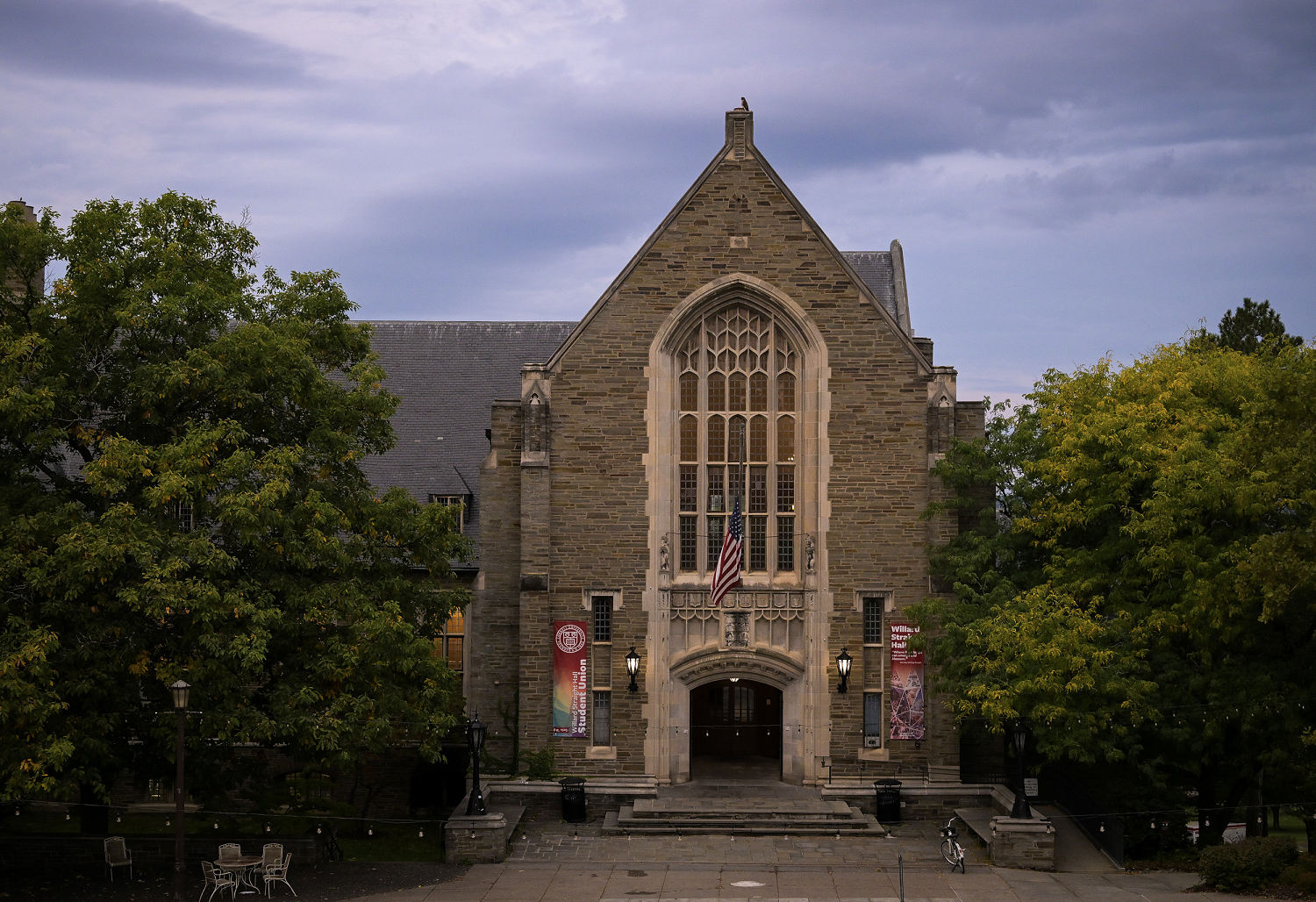
When a student steps forward to file a federal lawsuit against an institution of higher education over an alleged sexual assault, the public often imagines a straightforward path toward judicial accountability. That assumption ignores the punishing reality of civil litigation in the higher education sector. A Cornell University student who accused a fraternity member of rape is currently facing a coordinated campaign of targeted harassment and online intimidation demanding she drop her legal action, according to statements from her legal counsel.
This development highlights an ugly truth about modern campus misconduct cases. The legal battleground extends far beyond courtroom motions and depositions, bleeding into digital spaces where hostile actors attempt to break a plaintiff's resolve through sheer psychological attrition.
The mechanics of institutional defense in these matters rarely resemble a quiet courtroom settlement. Universities and their associated networks possess deep financial reserves and institutional inertia. When an accuser initiates federal litigation alleging Title IX violations or institutional negligence, the defense apparatus swings into motion with formidable resources. But the secondary wave of pressure, the vitriol unleashed by external sympathizers, student factions, and anonymous online agitators, often inflicts the most severe psychological toll.
The Anatomy of Retaliation and Digital Siege
Civil rights attorneys who handle campus sexual assault litigation recognize a familiar playbook. When a plaintiff refuses to sign a nondisclosure agreement or accept a quiet administrative dismissal, the stakes change for everyone invested in the status quo. In the Cornell case, the legal team confirmed that the accuser has received explicit threats demanding the termination of her lawsuit.
This type of intimidation operates on a simple calculus. By making the cost of participation unbearably high, hostile entities hope to force a voluntary dismissal before the discovery phase can unearth uncomfortable institutional emails, internal disciplinary records, or text logs.
The digital environment accelerates this pressure exponentially. Social media platforms turn personal disputes into spectator sports where nuance vanishes. Anonymous accounts coordinate smear campaigns, publishing fragments of confidential filings out of context, dissecting the plaintiff's personal history, and weaponizing peer networks to isolate the survivor.
"Litigation is designed to wear people down, but when third-party harassment enters the equation, it crosses from adversarial legal strategy into intimidation designed to subvert the justice system."
Title IX and the Structural Power Imbalance
To understand why these lawsuits become grueling endurance tests, one must examine the structural power imbalance built into the system. Institutions of higher education are multi-million-dollar entities with permanent legal counsel on retainer. They view litigation not merely as a dispute over a single incident, but as a defense of their institutional brand, accreditation standing, and donor confidence.
When an undergraduate plaintiff files a complaint, they are typically financing their representation through contingency arrangements, crowdfunding, or immense personal debt. They face teams of specialized defense attorneys whose job is to test every legal theory, challenge every piece of evidence, and prolong the timeline.
Federal courts require rigorous proof to sustain claims of deliberate indifference or hostile environment under Title IX. Navigating this threshold demands emotional stamina that few eighteen- or nineteen-year-olds possess. Adding explicit threats of retaliation to this mix transforms a legal proceeding into a daily security crisis.
The Broader Chilling Effect
The harassment directed at individual plaintiffs serves a broader, systemic function, whether consciously coordinated or not. Every time a survivor is publicly targeted, threatened, or dragged through a vicious online trial by public opinion, dozens of other students weigh their own options and decide to stay silent.
The calculus shifts from seeking justice to self-preservation. Why endure academic disruption, social ostracization, and targeted harassment for a legal remedy that could take years to materialize and offers no guarantee of financial or moral vindication?
Institutions benefit from this chilling effect, even if administrative leadership publicly condemns harassment. A quiet campus is an easily marketable campus. Controversial litigation draws media scrutiny, rattles alumni associations, and complicates admissions cycles.
The Limits of Legal Protections
Existing legal frameworks provide theoretical shields against intimidation, but practical enforcement remains sluggish and inadequate. While protective orders can mandate the safeguarding of discovery materials, and anti-harassment injunctions can be sought through civil courts, these remedies require additional legal expenditure and time.
Law enforcement agencies often struggle or lack the jurisdiction to trace anonymous online harassers operating behind virtual private networks and burner accounts. By the time a subpoena uncovers the identity of an online aggressor, the psychological damage has already been inflicted.
The Cornell case demonstrates that the hardest part of fighting an institutional lawsuit is frequently surviving the environment outside the courtroom. As long as universities and their surrounding communities fail to establish enforceable zero-tolerance standards for witness and plaintiff intimidation, the scales of justice will remain heavily tilted toward those who can afford to wait out their adversaries.