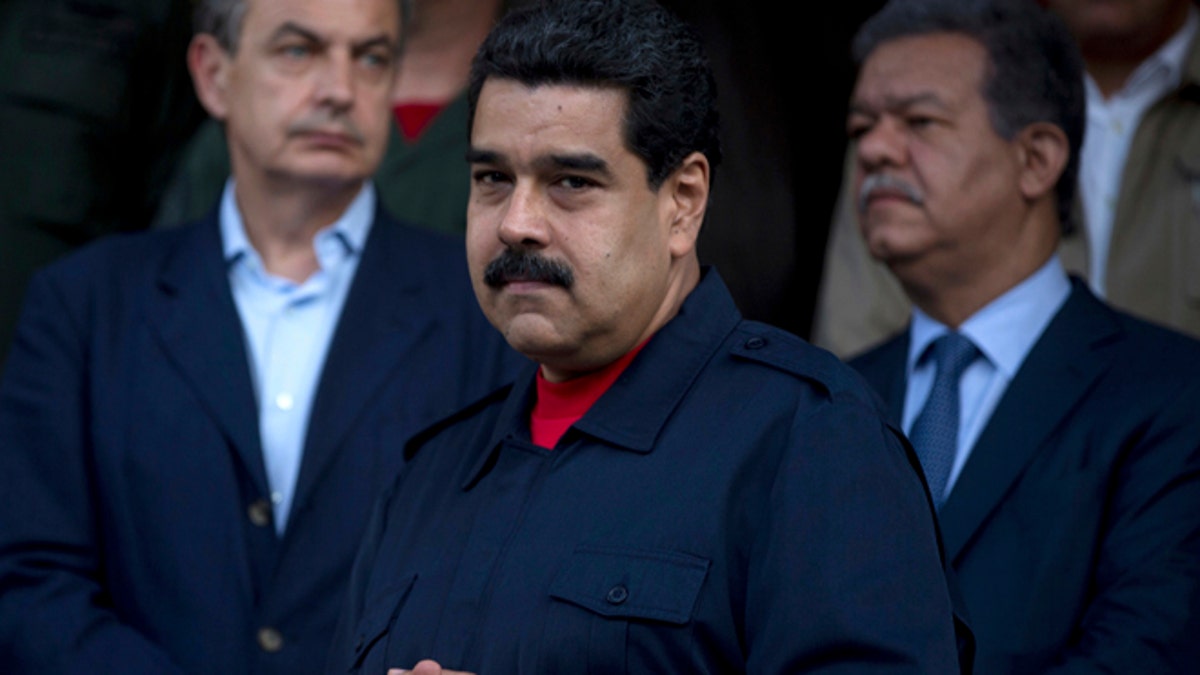
The intersection of populist political mobilization and the South African Firearms Control Act creates a high-friction environment where symbolic acts of defiance often collide with non-negotiable public safety statutes. When Julius Malema, leader of the Economic Freedom Fighters (EFF), discharged a firearm at a 2018 rally—an event recently culminating in a suspended jail sentence—the incident served as more than a breach of safety protocol. It functioned as a case study in the systemic tension between "struggle-era" political aesthetics and the modern constitutional order. To analyze the implications of this ruling, one must dissect the mechanism of the offense, the evidentiary hurdles of the trial, and the strategic legal fallout for South Africa’s third-largest political party.
The Mechanics of Section 120 (7) Violations
The legal architecture surrounding this conviction rests on the Firearms Control Act 60 of 2000, specifically provisions governing the "discharge of a firearm in a built-up area or any public place." The state’s burden of proof in these instances is not merely to show that a shot was fired, but to establish a causal link between the defendant's intent (dolus) or negligence (culpa) and the specific weapon produced as evidence.
South African law treats the discharge of a firearm in a crowd as an inherently dangerous act, regardless of whether the ammunition used is live, blank, or pyrotechnic. The logic follows a three-part risk assessment:
- Physical Peril: The immediate risk of mechanical failure of the firearm or the trajectory of the projectile.
- Psychological Volatility: The potential for a stampede or violent escalation within a densely packed political rally.
- Legal Precedent: The erosion of the state’s monopoly on force if high-profile actors are permitted to bypass arms regulations for theatrical purposes.
The defense’s strategy throughout the trial relied on challenging the authenticity of the evidence, specifically questioning whether the object in question was a real firearm or a "movie prop." However, the court’s reliance on forensic video analysis and ballistic testimony highlights a narrowing window for political figures to claim "theatrical immunity."
The Evidentiary Weight of Digital Forensics
The conviction of Malema and his bodyguard, Adriaan Snyman, underscores the increasing dominance of digital forensics over eyewitness testimony in political trials. In high-energy rally environments, witness accounts are frequently clouded by ideological bias or the sensory overload of the event. The court instead prioritized a digital sequence:
- Visual Authentication: Frame-by-frame analysis of the muzzle flash and recoil patterns.
- Chain of Custody: Tracking the physical movement of the rifle from Snyman to Malema, which established the "hand-over" as a critical point of shared liability.
- Ballistic Congruence: Matching the sound profile and mechanical operation observed in the footage with the known specifications of the firearm cited in the charge sheet.
This evidentiary approach removes the "political noise" from the courtroom. By focusing on the physics of the discharge rather than the rhetoric of the speech delivered during the firing, the judiciary maintains a clinical distance from the partisan nature of the event.
The Political Risk Matrix: Disqualification and Continuity
The strategic concern for the EFF is not the immediate incarceration of its leadership—given the sentence was suspended—but the potential for a cumulative legal "debt" to the state. Under Section 47 of the Constitution of South Africa, any citizen who is convicted of an offense and sentenced to more than 12 months in prison without the option of a fine is disqualified from serving in the National Assembly.
While this specific sentencing (two years, suspended for five) does not currently trigger that disqualification, it creates a "Sword of Damocles" effect. The suspension is conditional on the defendant not committing a similar offense within the five-year window. This introduces a tactical constraint on the EFF’s brand of militant activism:
- Suppression of Radical Aesthetics: The party can no longer utilize firearms or high-risk military simulations in their choreography without risking the immediate activation of the jail sentence.
- Leadership Vulnerability: The party's hierarchy is highly centralized. A removal of the "Commander-in-Chief" via a triggered suspended sentence would create a power vacuum that the EFF is structurally unprepared to fill.
- Legal Precedent as a Deterrent: This ruling signals to other political formations that the "theatre of revolution" has hard boundaries defined by the Criminal Procedure Act.
Institutional Trust and the Rule of Law
The sentencing of a prominent opposition figure provides a stress test for the South African National Prosecuting Authority (NPA). Critics of the ruling often cite "selective prosecution," but a data-driven view of the NPA’s recent docket suggests a broader attempt to re-establish institutional authority over individuals previously considered "untouchable."
The challenge for the judiciary lies in navigating the perception of the law. If the punishment is seen as too lenient, it emboldens lawlessness; if too harsh, it fuels the narrative of a "captured" state using the courts to neutralize political rivals. The decision to issue a suspended sentence reflects a middle-path strategy: it affirms the illegality of the act while avoiding the civil unrest that would likely follow the immediate imprisonment of a popular leader.
Strategic Forecasting for the EFF Legal Team
The immediate move for the defense will likely involve an exhaustive appeals process, targeting the "admissibility of visual evidence" and the "definition of a firearm" under the Act. However, the probability of a reversal is low given the technical nature of the ballistic evidence.
The party must now pivot its operational strategy. To mitigate the risk of the suspended sentence being triggered, the EFF's security detail—often referred to as the "Defenders of the Revolution"—must adopt a more formalized, civilian-compliant protocol. This transition from a paramilitary aesthetic to a professionalized security apparatus is necessary for the party’s long-term survival in the parliamentary space.
The state, conversely, has established a clear boundary: the symbolic "armed struggle" cannot be resurrected in the modern public square without incurring a quantifiable legal cost. The conviction serves as a firewall, protecting the democratic process from the normalization of political violence.
The final strategic play for the EFF is not to fight the verdict in the streets, but to sanitize their rally protocols entirely. By removing all high-risk variables—specifically weapons—from their public displays, they neutralize the state’s ability to use the suspended sentence as a political lever. The leadership must recognize that the "theatre of the gun" has reached its point of diminishing returns, where the cost of the spectacle now outweighs the value of the signal.