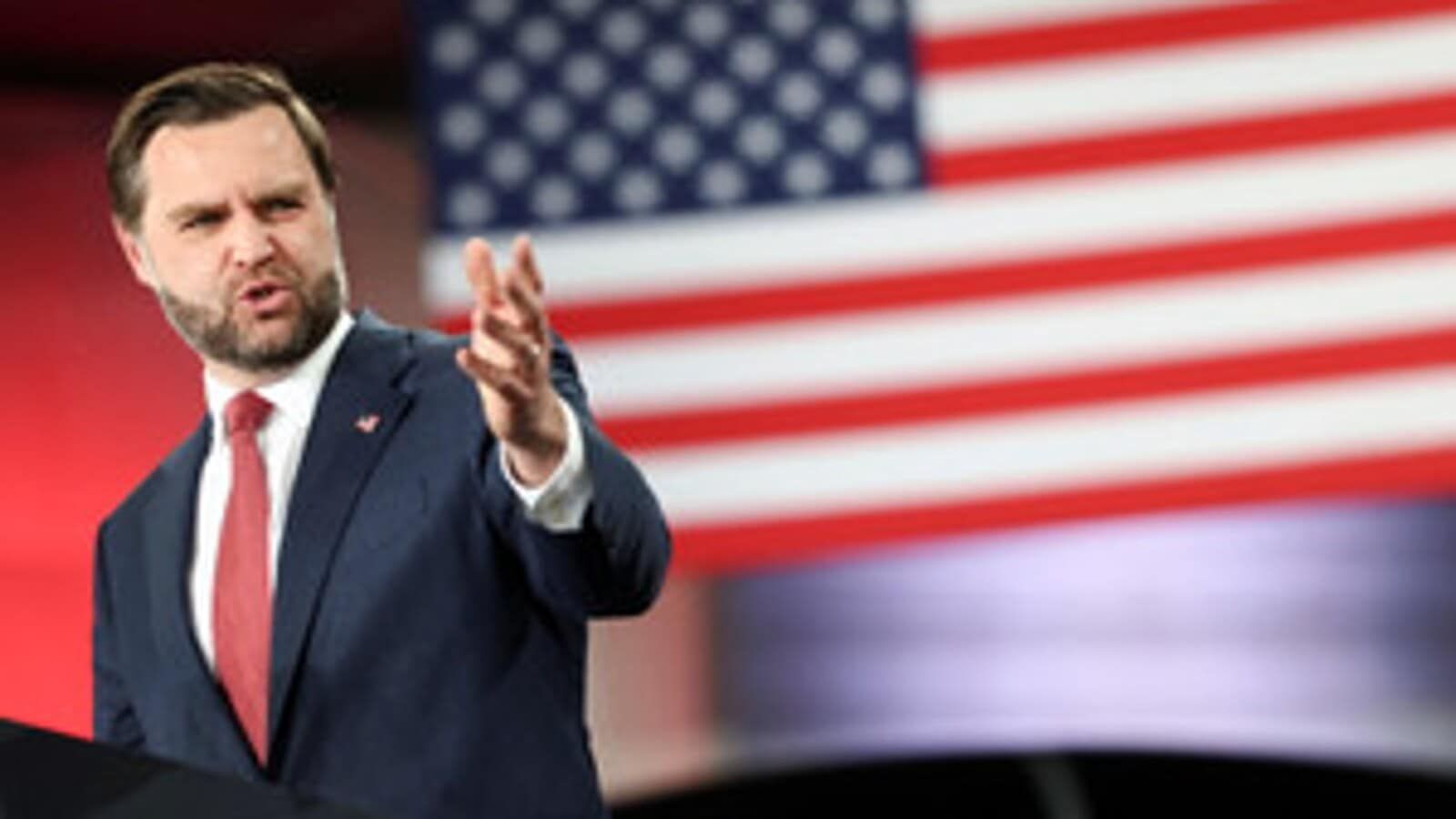
Washington is trying to find an off-ramp from a grinding war with Iran, and Vice President JD Vance is suddenly holding the steering wheel. Reports out of The Wall Street Journal and Axios confirm that the administration is actively weighing restarted negotiations with Tehran, with Vance stepping up as the lead negotiator.
It's a massive gamble. Usually, vice presidents stay far away from messy, high-stakes peace talks unless a deal is already baked in. If this collapses, Vance wears the failure. If it works, he becomes the guy who ended an unpopular Middle East war right after a rough midterm election cycle.
What Is Actually Happening Behind Closed Doors
Let's strip away the diplomatic noise. Since late February 2026, the U.S. and Israel have been locked in a direct military confrontation with Iran. There was a brief April ceasefire and a shaky June framework agreement, yet neither stopped the bleeding. Now, the war is stretching into its ninth month, and domestic patience is wearing thin.
Back in October, Vance quietly sent a letter to Mohsen Rezaei, the hardline secretary of Iran's Supreme National Security Council, asking for a direct, face-to-face meeting. No date is locked in yet. Right now, Vance has been working the phones almost daily with Qatari and Pakistani mediators to keep a fragile channel alive.
Why Vance instead of the usual diplomats? Special envoys Steve Witkoff and Jared Kushner are tied up trying to untangle the Russia-Ukraine conflict. That left a vacuum on the Iran file, and Vance stepped right into it.
Why the Timing Screams Domestic Politics
You don't need a foreign policy degree to see what's driving this push. Republicans took a beating in the November midterm elections, and Vance has already publicly linked that poor showing to voter frustration over the ongoing conflict.
Voters who backed an "America First" platform didn't sign up for a drawn-out naval blockade and rising regional instability. Ending the war before the 2028 presidential cycle heats up isn't just good foreign policy for the White House. It's political survival.
Still, sending the Vice President to negotiate directly with Tehran breaks decades of standard protocol. Presidents typically shield their second-in-command from diplomatic blowback. By taking the lead, Vance is betting his future 2028 presidential prospects on his ability to cut a deal with a regime that Washington has been bombing for months.
The Massive Roadblocks on the Negotiating Table
Wanting a deal and getting one are two completely different things. Right now, Washington and Tehran are stuck on basic sequencing. Neither side wants to blink first.
Here is where the two sides are deadlocked:
- What Tehran wants first: Iranian officials, including Parliament Speaker Mohammad Bagher Ghalibaf, are demanding an immediate end to the U.S. naval blockade on Iranian ports, the lifting of economic sanctions, and the release of frozen Iranian assets before real talks even begin.
- What Washington demands first: The White House insists Iran must surrender its enriched uranium stockpile and accept strict nuclear constraints before seeing any major economic relief.
- The trust deficit: Iran's economy is getting crushed—blackouts and blocked oil exports are costing them tens of millions of dollars a day—yet hardliners in Tehran argue that giving up leverage now just invites another military strike later.
Secretary of State Marco Rubio has already dismissed Iran's opening demands as "totally unrealistic," arguing that the current naval blockade and sanctions are working exactly as intended.
The Split Inside the White House
If you think everyone in the Trump administration is on the same page here, think again. There is an obvious tug-of-war happening between the diplomatic wing and the hawks.
On one side, Vance and regional mediators from Qatar and Saudi Arabia are pushing for confidence-building steps. One proposal floating around involves the U.S. pulling back aircraft carriers and easing the port blockade in exchange for Iran letting 25 oil tankers pass safely through the Strait of Hormuz. It's a pragmatic, step-by-step trade designed to cool temperatures without forcing either side into total capitulation.
On the other side, military pressure keeps ratcheting up. The Pentagon just moved a third aircraft carrier strike group into the region. President Trump himself has sent wildly mixed signals—telling aides he's open to Vance's outreach while publicly floating that the U.S. might not even need a deal and could "finish the job" militarily. Trump has even privately questioned the earlier June framework Vance helped broker, suggesting it merely bought Tehran time to regroup.
What You Should Watch For Next
If you're trying to figure out whether this diplomatic push is real or just political theater, ignore the press briefings and watch three specific indicators over the coming weeks:
- Tanker traffic in the Strait of Hormuz: If commercial vessels suddenly start moving through the strait without harassment, it means the Qatari-brokered confidence-building trade is quietly taking effect.
- IAEA access: Watch International Atomic Energy Agency Director General Rafael Grossi. Any announcement that inspectors are returning to damaged Iranian nuclear sites signals a genuine breakthrough.
- Carrier movements: Keep an eye on U.S. Navy deployments. If that third carrier group holds position instead of rotating home, the hawks are winning the internal argument in Washington.
Vance has placed the biggest bet of his political career on getting Mohsen Rezaei into a room. Watch the water in the Persian Gulf—it will tell you whether Vance's gamble is paying off long before Washington admits it.
For additional background on how this diplomatic shift unfolded, you can watch CNBC-TV18's coverage of JD Vance weighing direct talks with Iran, which breaks down the initial reports surrounding his outreach to Tehran.