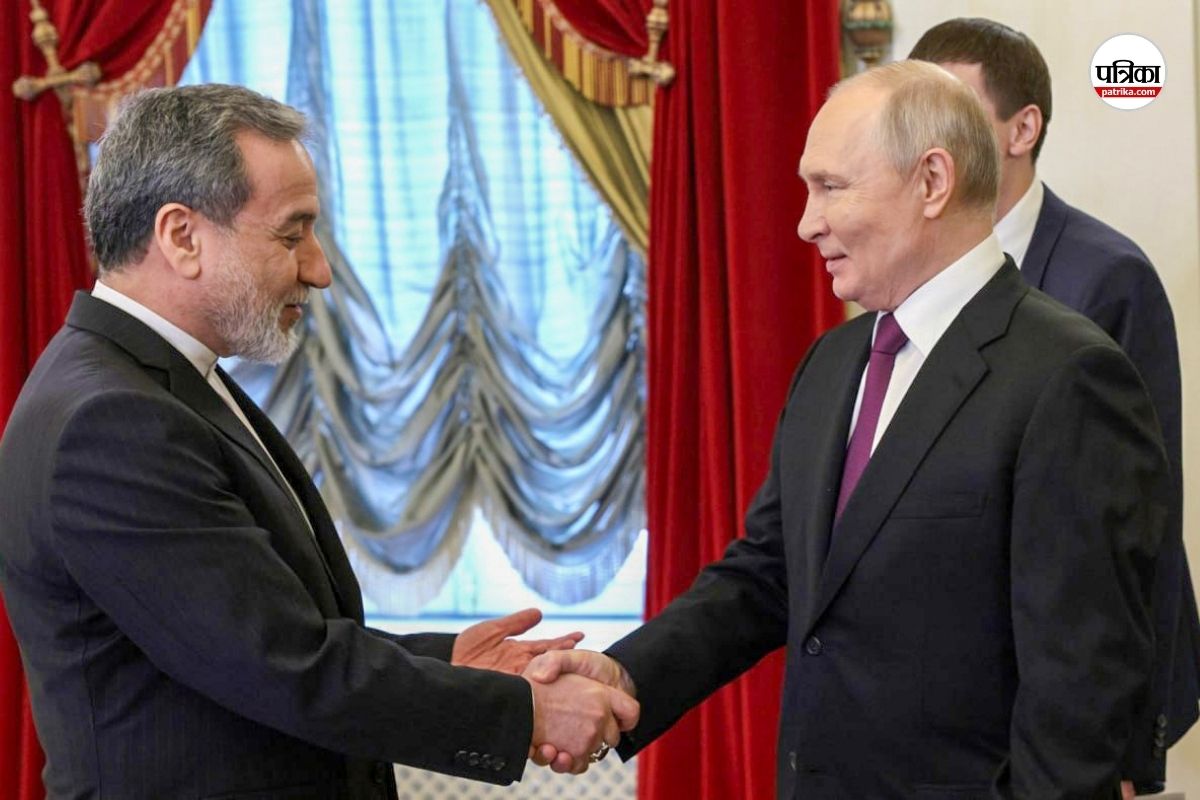
The sudden flurry of diplomatic activity between Tehran and Islamabad isn't just about bilateral trade or border security. It is a desperate manual override on a regional engine that has been redlining toward a total collapse. Iranian Foreign Minister Hossein Amir-Abdollahian’s repeated visits to Pakistan within a window of just 48 hours signal a shift from standard diplomacy to crisis management. The primary objective is to insulate the South Asian corridor from the direct fallout of the escalating US-Iran confrontation and the widening conflict in the Middle East. While headlines focus on the threat of a direct US strike on Iranian soil, the real story is happening in the quiet rooms of Islamabad, where the two neighbors are trying to prevent a multi-front war that would bankrupt both.
The Geography of Desperation
Iran finds itself increasingly cornered. Economic sanctions have long since moved from being a nuisance to a structural threat. Now, with the US military presence in the region hitting a fever pitch following drone strikes on American bases, Tehran is looking for a pressure valve. Pakistan provides that valve. However, this is not a partnership built on mutual affection. It is built on the cold reality that neither country can afford a volatile border while they deal with their own internal fires. If you enjoyed this article, you should read: this related article.
For Pakistan, the stakes are existential. The country is currently grappling with a historic economic downturn and a surge in domestic militancy. The last thing the military establishment in Rawalpindi wants is to be caught in the crossfire of a US-Iran kinetic exchange. If Iran goes to war, the spillover of refugees, black market weapons, and sectarian tension into Pakistan’s Balochistan province would be uncontrollable. This explains the urgency of the recent high-level meetings. They are building a firewall.
Decoding the 48 Hour Diplomatic Blitz
The frequency of these visits suggests that previous agreements were either insufficient or were being bypassed by fast-moving events on the ground. When a foreign minister visits a neighboring capital three times in such a short span, they aren't discussing long-term infrastructure projects. They are exchanging intelligence and setting "red lines" to ensure that accidental escalations don't turn into permanent tragedies. For another look on this event, check out the recent coverage from NPR.
One major point of contention is the presence of proxy groups. Iran has long accused Pakistan of harboring Sunni militants like Jaish al-Adl, while Pakistan has raised concerns about Iranian-backed elements within its borders. In the past, these grievances led to missile exchanges. Today, the tone has changed. The realization has set in that if they continue to bicker over local skirmishes, they will both be swallowed by the larger geopolitical storm brewing between Washington and Tehran.
The Shadow of the United States
The US remains the silent third party in every room during these talks. Pakistan is a long-standing, albeit complicated, ally of the United States. It relies on American influence within the IMF to keep its economy afloat. Simultaneously, it shares a 900-kilometer border with Iran. This creates a brutal balancing act.
Tehran is likely pushing Islamabad to remain neutral or, at the very least, to deny the US the use of its airspace or bases for any potential strikes against Iranian targets. Pakistan, meanwhile, is trying to assure Iran that it won't be used as a launchpad for Western aggression, while simultaneously reassuring Washington that it isn't forming a "defiant axis" with the Islamic Republic. It is a high-wire act performed without a net.
Economic Survival Over Ideological Alignment
Money talks louder than missiles in this specific theater of the Middle East. The Iran-Pakistan gas pipeline project, often referred to as the "Peace Pipeline," has been a ghost project for decades, stalled by the threat of US sanctions. Yet, in these recent meetings, the project has been revived in official rhetoric. This isn't because the money has suddenly appeared. It is a signaling mechanism.
By discussing energy cooperation, both nations are telling the world—and specifically the US—that they have shared interests that transcend the current security crisis. It is a way of claiming sovereignty in a region where sovereignty is often ignored by superpowers. If Iran can secure a steady economic partner in Pakistan, the impact of Western "maximum pressure" campaigns is diluted.
The Balochistan Factor
We cannot ignore the restive province of Balochistan. This territory, split between the two nations, is the most likely flashpoint for a conflict that neither side actually wants. For years, the border has been a sieve for smugglers and insurgents. Recently, however, there has been a coordinated effort to "securitize" the frontier.
The two nations are now discussing joint border markets and improved patrolling. This is a tactical move to remove any excuse for the other side to launch "hot pursuit" operations across the border. They are trying to turn a zone of conflict into a zone of managed stability. It is a fragile peace, held together by the mutual fear of something much worse.
The Role of China as a Backroom Broker
Beijing’s fingerprints are all over this rapprochement. China has invested billions in Pakistan through the CPEC (China-Pakistan Economic Corridor) and has a 25-year strategic partnership agreement with Iran. A war between Iran and the US, or a border conflict between Iran and Pakistan, would be a disaster for Chinese investments.
Chinese diplomats have been working behind the scenes to ensure that Tehran and Islamabad don't let local friction distract from the "Greater Eurasia" integration. Beijing wants a stable Iran to provide energy and a stable Pakistan to provide a trade route to the Arabian Sea. The diplomatic rush we are seeing is, in many ways, the implementation of a Chinese-backed stability plan.
The Military Reality
Despite the suits and the handshakes in Islamabad, the military posture remains tense. Iran’s Revolutionary Guard (IRGC) continues to conduct drills near its eastern borders. Across the line, the Pakistani military remains on high alert. This is the paradox of modern Middle Eastern diplomacy. You talk peace while you calibrate your targeting systems.
The real test will come if the US decides to strike IRGC assets in response to regional provocations. If those strikes happen near the Pakistani border, the "firewall" built during these 48-hour summits will be put to its ultimate test. Will Pakistan allow its territory to be bypassed? Will Iran use Pakistani soil to launch counter-retaliations? These are the questions that keep generals awake in both Rawalpindi and Tehran.
Strategic Realignment or Temporary Truce
Is this a permanent shift in the relationship? Likely not. The history of Iran-Pakistan relations is one of "managed mistrust." They are neighbors who cannot afford to be enemies but are too different to be true friends. What we are witnessing is a marriage of convenience dictated by the looming shadow of a much larger war.
The intensity of the current diplomatic engagement is a barometer for the level of danger in the region. The more often these officials meet, the closer we are to the edge. They are frantically trying to ensure that when the next explosion happens, it doesn't happen on their shared doorstep.
The success of these talks won't be measured by signed treaties or public ceremonies. It will be measured by the silence of the guns along the border and the continued flow of goods through the Taftan crossing. In a region where everything is on fire, sometimes the greatest diplomatic achievement is simply preventing the flames from spreading to the next house.
The immediate priority for the Iranian delegation is securing a guarantee of non-interference. If Tehran can ensure its eastern flank is secure, it can focus its limited resources on the Persian Gulf and its northern borders. Pakistan, in turn, needs to ensure that its "look west" policy doesn't result in a "look out" situation where it becomes a secondary theater of the US-Iran rivalry. The stakes couldn't be higher, and the time for meaningful diplomacy is running out.
Every meeting in Islamabad is a brick in a wall that both sides hope is strong enough to withstand the coming storm. Whether that wall holds depends less on the words spoken in these meetings and more on the decisions made in Washington and the command centers of the IRGC. For now, the region waits with bated breath to see if this diplomatic manual override actually works.