Wall Street loves a ceremony. Give traders a photo op of a pen meeting paper, throw in some grand declarations of "great things" ahead, and the algorithms trigger an immediate buy signal. We saw it again with the recent memorandum signing between the Trump administration and Iran. The media immediately echoed the official line, pumping out analysis about a structural shift in regional stability and a long-term bull run for global energy markets.
It is a comforting narrative. It is also completely detached from how geopolitical risk actually prices into energy infrastructure.
The consensus view treats this memo as a fundamental reset. The reality is that symbolic diplomatic agreements do not magically alter the hard physics of resource distribution, nor do they erase decades of proxy network architecture. I have spent fifteen years analyzing energy supply chains through periods of extreme regional tension, watching executive boards repeatedly misjudge paper promises for structural peace.
If you are buying into this rally, you are playing a game of musical chairs where the music has already stopped.
The Flawed Premise of Paper Stability
The mainstream financial press is asking the wrong question. They are asking, "How much will this agreement increase regional trade volumes?"
The real question is, "Why do we assume a non-binding memorandum can override the structural incentives of non-state actors?"
Geopolitical risk in the Middle East does not live within the official state structures that sign memos. It lives in the gaps between them. When a state actor signs an agreement, it rarely commands total control over the dozens of localized militias, proxy groups, and ideologically driven factions operating within its sphere of influence.
Furthermore, financial analysts routinely confuse diplomatic de-escalation with structural risk reduction. A signature on a memo does not dismantle a single drone factory. It does not re-route a single ballistic missile battery away from the Bab el-Mandeb strait or the Strait of Hormuz.
Imagine a scenario where a corporate merger is announced on paper, but neither company changes its internal management, its product lines, or its supply chains, while the regional managers continue to actively sabotage each other's warehouses. No serious investor would price that as a successful integration. Yet, that is exactly what the market is doing with global energy assets right now.
The Physics of the Strait of Hormuz Cannot Be Signed Away
Let us look at the actual mechanics of global oil transit to see why this market optimism is fundamentally flawed.
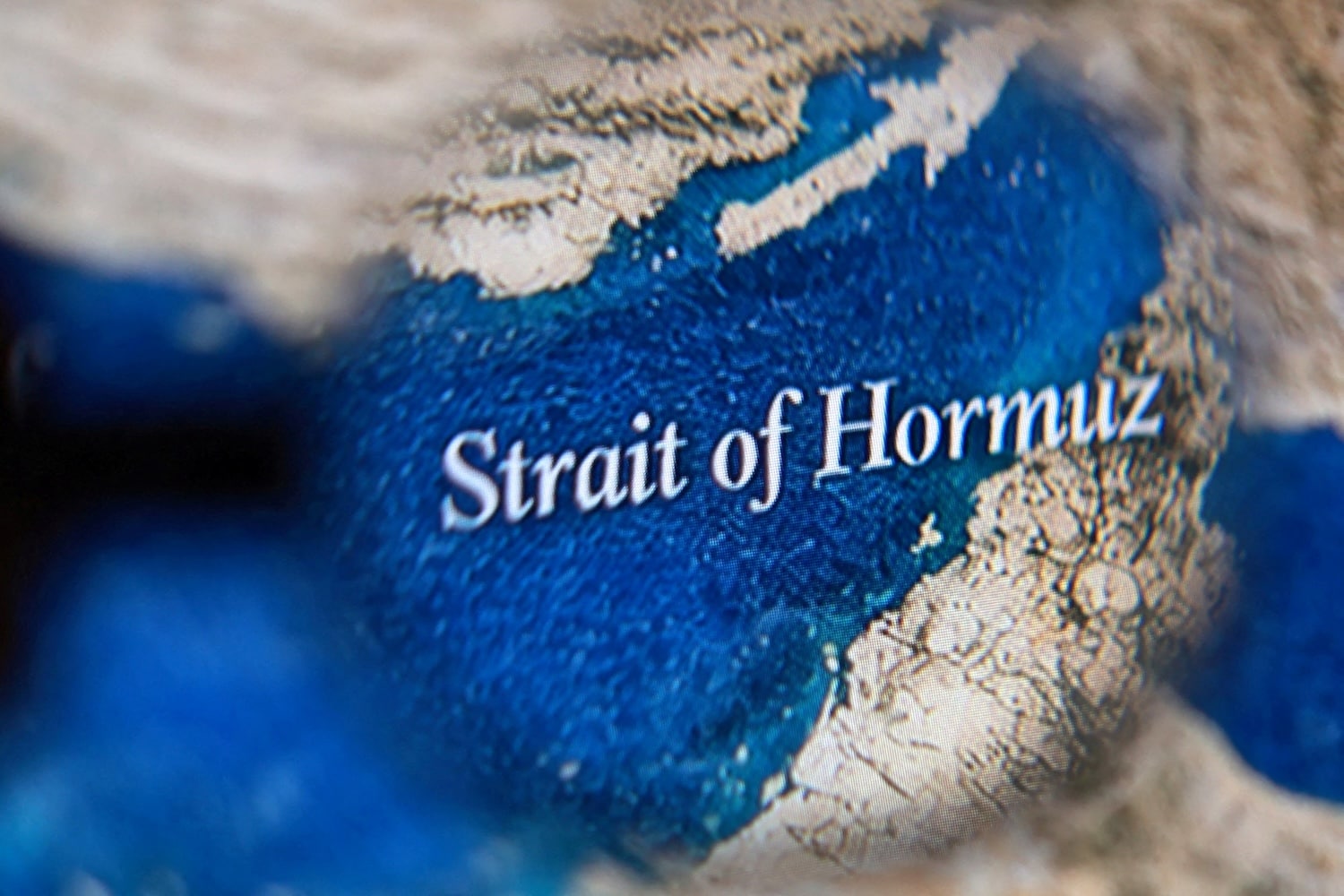
Approximately 20% of the world's petroleum liquids pass through the Strait of Hormuz. It is a narrow choke point where the shipping lanes are only two miles wide in either direction.
Strait of Hormuz Daily Oil Transit: ~20-21 Million Barrels per Day
Total Global Consumption: ~102 Million Barrels per Day
Choke Point Width (Shipping Lanes): 2 Miles inbound, 2 Miles outbound
The competitor narrative suggests that diplomatic goodwill decreases the probability of a supply disruption in this corridor to near zero. This completely ignores the concept of tactical asymmetry.
In modern asymmetrical conflict, the cost to disrupt maritime trade is orders of magnitude lower than the cost to defend it. A five-thousand-dollar loitering munition or a localized naval mine can spike global war-risk insurance premiums by 400% in a single afternoon. No memorandum of understanding alters this math. The vulnerability is structural, geographic, and permanent.
When the market prices in "peace" based on a political ceremony, it creates a dangerous mispricing in volatility options. Smart capital does not buy the equity rally; it buys cheap downside protection while the rest of the street is drunk on optimism.
The Illusion of Iran's Immediate Return to Oil Markets
Another core argument from the optimistic camp is that this memo paves the way for an immediate, massive influx of Iranian crude into global markets, which will stabilize prices and drive down inflation permanently.
This ignores the brutal reality of upstream energy infrastructure. You cannot simply turn an oil field back on like a kitchen faucet.
Years of underinvestment, restricted access to western technology, and secondary sanctions have severely degraded Iran's production capacity. Reviving mature, neglected fields requires massive capital expenditure and years of specialized engineering work.
- Reservoir Damage: Sudden shutdowns and prolonged low-production periods cause permanent pressure drops in oil reservoirs.
- Technology Deficit: Modern enhanced oil recovery (EOR) techniques require specialized equipment that cannot be legally or logistically deployed overnight.
- Storage Saturation: The millions of barrels currently held on floating storage (tankers) are largely heavy, sour crudes that many global refineries cannot process without significant blending.
To think that global supply dynamics will change by next quarter because of a signed memo is a fundamental misunderstanding of petroleum engineering.
What the Smart Money Does Instead
Stop trading the headlines. If you want to capture real value from geopolitical shifts, look where the crowd is actively ignoring.
First, look at localized infrastructure plays that bypass critical choke points entirely. Pipelines that move crude across the Arabian Peninsula to the Red Sea, or infrastructure projects in the East Mediterranean, become significantly more valuable when the broader market incorrectly assumes the main corridors are completely safe.
Second, understand the downside of this contrarian stance: you will likely underperform the momentum traders for a few weeks while the media hype machine runs hot. It takes discipline to sit out a politically driven rally. But when the reality of regional friction inevitably collides with paper agreements, the correction is swift and violent.
The history of energy markets is a graveyard of investors who trusted political signatures over structural realities. The Trump-Iran memo is just the latest entry in the logbook. The paper is signed, the cameras have moved on, and the structural risks remain exactly where they were yesterday.