Football is played on grass, but it is built in silence.
Ask anyone who has stood on the touchline of a freezing training ground in the dead of January. The roar of sixty thousand voices is a distant abstraction when you are thirty yards from your own goal, breathing hard, watching the opposing striker shift his weight onto his back foot. You do not hear the anthems. You do not hear the murmurs of the transfer window or the anxious tapping of calculators in executive suites. You hear the sharp slap of leather against a boot. You hear the heavy, rhythmic thud of your own heart. You hear the small, quiet voice that asks whether today is the day the wall finally cracks.
For years, Arsenal built their house with beautiful glass. It glittered under the North London lights, intricate and breathless, a dizzying motion of triangles and clever feet. But glass shatters when the wind turns brutal.
Mikel Arteta understood this long before the board reached for their checkbooks. You can pass the ball until the grass wears thin, but if the back door is left unbolted, the cold air always finds you.
Enter Ezri Konsa.
We need to talk about what it actually costs to buy certainty in the Premier League. When the numbers start flashing across ticker tapes—fifty million pounds and change—our eyes glaze over. Fifty million is a phone number, a constellation of zeroes that belongs to a universe divorced from reality. But strip away the currency symbols. Look instead at the physical architecture of a defender who has spent the better part of a half-decade learning how to erase mistakes before they become catastrophes.
Imagine standing in the tunnel at Villa Park. The concrete is damp. The air smells of liniment, wet mud, and old iron. Konsa stands there, shoulders squared, eyes fixed somewhere three feet beyond the opposite wall. He is not thinking about the fee. He is thinking about the first ten minutes. He is thinking about the runners breaking from deep, the blind spots behind the full-backs, the terrifying velocity of modern wingers who treat the sideline like a tightrope.
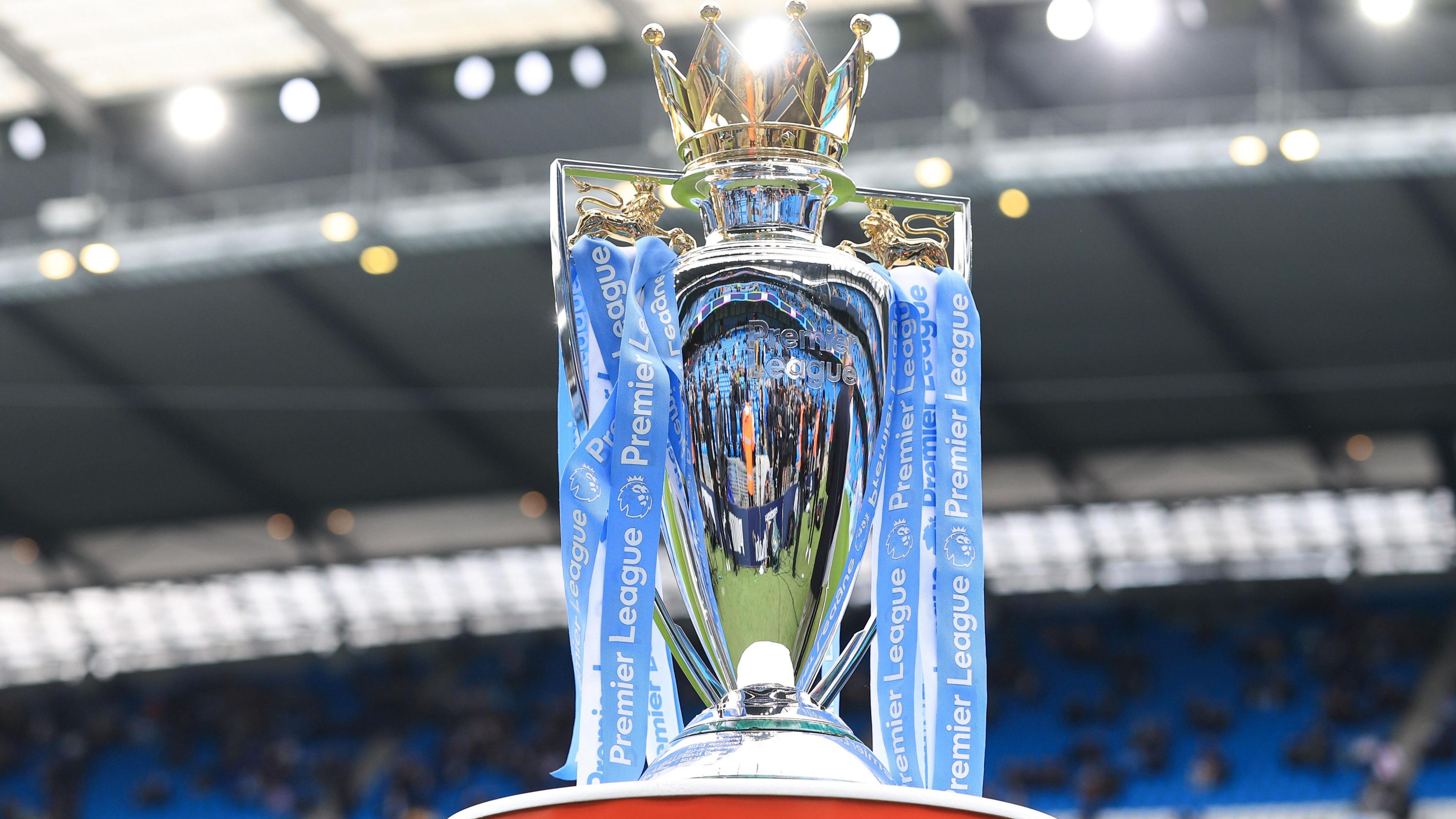
To understand why Arsenal broke their own mold to secure him, you have to look at the anatomy of a narrow miss. Last May, the margins were so thin you could have sliced paper with them. A dropped shoulder here, a mistimed step there, and an entire season of sweat dissolved into the heavy Manchester air. The diagnosis was simple, even if the remedy was agonizing: they lacked an iron brick. They lacked the kind of quiet, immovable presence that makes strikers alter their stride just a fraction of a second too early.
Konsa is that brick.
He did not arrive in the headlines with the theatrical fanfare of a glamour forward. He arrived through the slow, grinding machinery of English football's lower floors, climbing from Charlton Athletic through Brentford, learning the dark arts of defending in hostile lower-league stadiums where the referee's whistle is swallowed by the roar of supporters leaning over corrugated iron roofs. That education leaves stains you can never quite wash out. It leaves a deep, structural instinct for survival.
When Aston Villa plucked him from the championship turbulence, few outside the Midlands predicted he would become the silent engine of an awakening giant. Under Unai Emery, Konsa became a shape-shifter. He played at center-back, he covered at right-back, he stepped into midfield spaces with the casual confidence of a seasoned chess player. He learned to defend in oceans of space because Emery’s tactical demands required his backline to live dangerously high up the pitch.
That is the hidden translation of that fifty-million-pound figure. You are not buying a player who looks good when his team sits deep in a low block. You are buying a man who can sprint twenty yards backward while tracking a lightning-fast counter-attack, look the ball in the eye, and calmly guide it out of danger without fouling, without panicking, and without theatre.
Consider what happens next in the tactical ecosystem of North London.
William Saliba and Gabriel Magalhães have formed a partnership that borders on telepathic. But a championship team does not merely need eleven good players; it needs an insurance policy against the inevitable bruising of a fifty-game campaign. Injuries do not send RSVP letters. Fatigue is a thief that arrives in February, stealing the sharpness from tired legs just as the title race hits its most unforgiving stretch. By adding Konsa to the roster, Arsenal are not just buying rotation. They are buying the luxury of seamless evolution.
Picture a rainy Tuesday night in March. The legs are heavy. The opposition has parked a double-decker bus in front of their goal, and the home crowd is growing restless, their collective anxiety humming through the stadium seating like a live wire. In the past, panic might have crept in. The structure might have fractured in a desperate attempt to force a winner, leaving the back door wide open to a sucker punch.
With Konsa anchoring the right side of the defensive pivot, the geometry changes. He does not panic. He collects a loose clearance thirty yards from his own goal, surveys the suffocating traffic, and slides a vertical pass straight into the feet of the midfield pivot. No drama. No cinematic celebrations. Just the cold, mechanical execution of a professional who treats chaos like paperwork.
This is what the spreadsheet warriors miss when they debate whether a fee is inflated. Value is not found in resale potential or social media engagement metrics. Value is found in the absence of panic. It is found in the clean sheets that accumulate quietly in the background while everyone else is busy writing poetry about the attacking midfielders.
The deal is struck. The paperwork is signed in a fluorescent-lit office while the rain drums a steady tattoo against the glass. Somewhere in a suburban living room, a young boy pulls on a red and white shirt, tracing the crest with his thumb, dreaming of May afternoons bathed in golden sunlight and confetti.
He does not know Konsa's name yet. He doesn't know about the transfer fees, the release clauses, or the tactical nuances of high-line defensive shifts.
He only knows that when the ball comes flying over the top, someone has to be there to clear the path.
And for the first time in a very long time, the wall is holding.