Don't let the corporate jargon fool you. When Tehran announced it's collecting fees for "navigational services" and "environmental protection" in the Strait of Hormuz, it wasn't launching a routine maritime safety initiative. It's a calculated, high-stakes shakedown of the global energy supply.
Iranian Foreign Ministry spokesman Esmaeil Baqaei recently stood at a press briefing and insisted that Iran isn't seeking to collect tolls. He repackaged the charges as simple, localized fees for managing transit and protecting the environment across the Strait of Hormuz, the Persian Gulf, and the Sea of Oman. It sounds almost reasonable on paper. But out at sea, it's a completely different story.
The reality is that Iran has built an administrative toll system designed to monetize an international chokepoint. Through a newly established body called the Persian Gulf Strait Authority (PGSA), the regime is actively turning its de facto military grip on the waterway into permanent, bureaucratic control. Ships aren't just paying pennies for a lighthouse service. They're facing demands for $1 million to $2 million per transit, often settled under the table in Chinese yuan or cryptocurrency.
The Legal Shell Game Behind the Service Fees
International maritime law is incredibly clear about who owns the rights to global chokepoints. Under the United Nations Convention on the Law of the Sea (UNCLOS), the Strait of Hormuz is governed by the principle of transit passage. This means all vessels enjoy the right of continuous, expeditious, and unimpeded transit. Coastal states cannot legally suspend passage, block ships, or demand transit taxes—even if the shipping lanes cut directly through their territorial waters.
Iran's clever loophole is that it never actually ratified UNCLOS. Instead, Tehran is exploiting a specific clause within customary international law that allows coastal states to charge for actual services rendered, like piloting or oil spill cleanup. By calling these multi-million dollar extortions "navigational services," Iran claims it's staying within the law.
Security analysts and legal scholars see right through the smoke and mirrors. Whether an invoice reads "navigational fee" or "transit tax," the substance is identical. Tehran is forcing commercial vessels to buy a permit to sail through an international strait.
This isn't just an academic debate between lawyers. If the international community rolls over and accepts Iran's new fee system, it rewrites the rules for global trade. Accepting this framework risks setting a terrifying precedent. We could see the Houthis demanding transit fees in the Bab el-Mandeb, or other nations locking down vital trade corridors behind a paywall of arbitrary local permits.
How the Hormuz Safe Platform Exploits Commercial Shipping
Tehran is pairing its new PGSA permits with a digital insurance program called "Hormuz Safe." The regime is marketing this as a peaceful, commercial solution to ease the shipping crisis, but it's basically a protection racket on the blockchain.
Under this system, international commercial ships can purchase "marine insurance policies" and certificates of financial responsibility directly from Iran. The catch? The premiums must be paid entirely in Bitcoin or yuan to bypass traditional Western banking networks and sanctions.
The scheme expects to clear over $10 billion in revenue for Iran. The program explicitly excludes coverage for direct weapon strikes, meaning it only protects ships from risks like cargo inspections, vessel detentions, and legal confiscations by Iran's own forces. You're essentially paying the actor who threatens you for a guarantee that they won't seize your ship.
The Trap for Global Shipowners and Insurers
The financial burden of a $2 million transit fee is bad enough, but the compliance headache is worse. For global shipping lines, oil traders, and maritime insurers, playing along with Iran's new rules is a legal minefield.
The U.S. Office of Foreign Assets Control (OFAC) issued strict guidance warning that any payments made to Iranian-linked entities for safe passage violate existing sanctions. It doesn't matter if you route the payment through an independent broker, a shell company, or a digital wallet. If you pay the PGSA to let your tanker pass, you risk severe secondary sanctions.
This leaves maritime operators trapped in an impossible position:
- Pay the Iranian fee and face getting blacklisted by Western financial systems.
- Refuse to pay and risk having your vessel detained by the Islamic Revolutionary Guard Corps Navy.
- Reroute ships entirely around Africa, adding weeks to voyages and spiking global fuel costs.
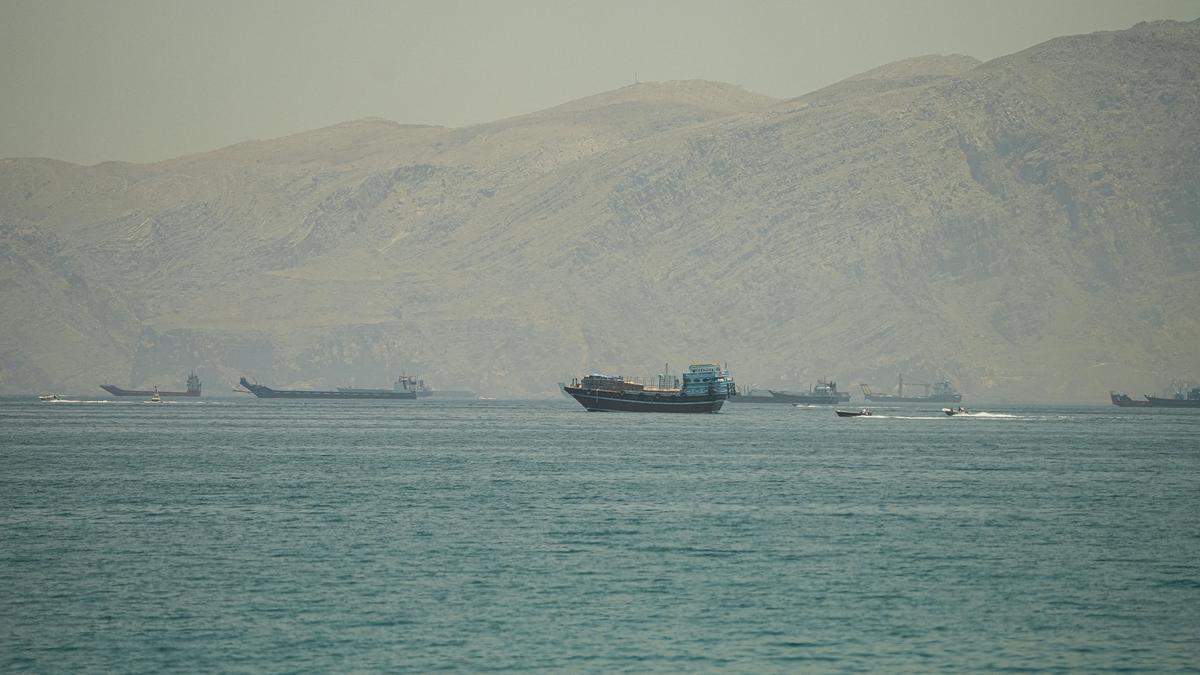
The shipping lane has fundamentally transformed from a free transit corridor into a high-risk parking lot where vessels wait in holding queues for administrative clearance. While countries like China, Russia, and India have reportedly secured special, discounted transit arrangements with Tehran, Western-linked vessels are left exposed.
What Maritime Operators Need to Do Next
If you run logistics, manage supply chains, or operate vessels that touch the Middle East, you can't treat this as a temporary geopolitical blip. Iran is trying to normalize its supervisory role over 20% of the world's seaborne oil trade, using these fees as permanent leverage in broader diplomatic negotiations.
Audit your entire compliance trail immediately. Do not rely on standard screening lists; you need to actively monitor the behavioral signals and destination fields of your vessels inside the Hormuz operating area. Treat any request for local maritime fees, port agent adjustments, or digital insurance premiums in the Persian Gulf as an immediate sanctions trigger. The financial and legal risks are too high to ignore, and a single misstep could leave your operations entirely stranded.