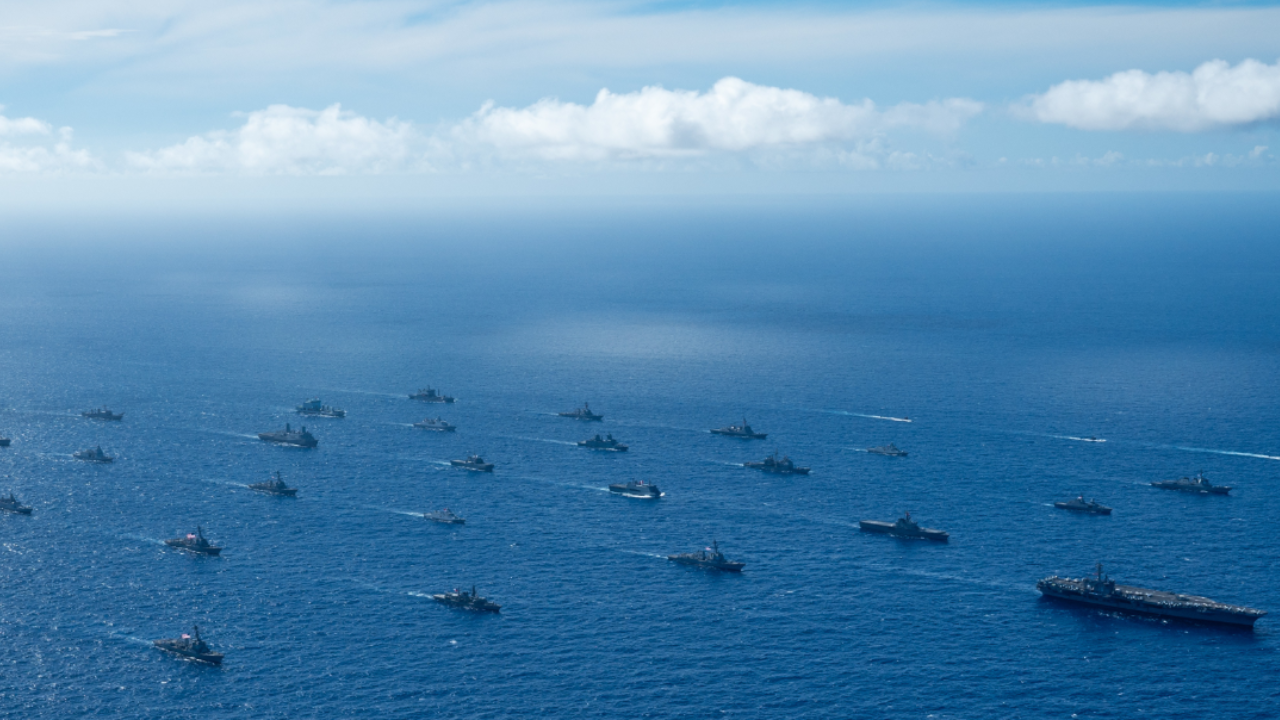
The shipping lanes of the Middle East aren't getting any safer. Iranian forces just targeted United States Navy ships again in a brazen escalation that has defense analysts scrambling. We are watching a slow-motion crisis unfold in critical global waters. Every time missiles fly or drones swarm toward American destroyers, the stakes get higher.
The real story isn't just about Tehran rattling its saber. Washington and its allies are tracking mounting intelligence pointing toward covert assistance from Beijing and Moscow. When you look at the sophisticated targeting data required to hit moving warships, local proxies don't always operate in a vacuum. Let us break down what is actually happening beneath the surface of these maritime clashes.
The Reality of Modern Maritime Warfare
Naval warfare in places like the Red Sea and the Gulf of Oman looks nothing like it did twenty years ago. Back then, you worried about conventional submarines and state-of-the-art jet fighters. Today, it is cheap drones, loitering munitions, and anti-ship ballistic missiles.
Iran has mastered the art of asymmetric warfare. They don't need to build a massive blue-water navy to disrupt the global economy. They just need enough coastal defense batteries and fast-attack craft to turn a vital choke point into a war zone.
When US naval vessels intercept incoming threats, they are burning through millions of dollars in interceptor missiles. That economic mismatch is part of the strategy. Tehran tests defensive exhaustion while great power rivals watch closely from the sidelines.
The Shadow Involvement of Beijing and Moscow
You cannot understand these ongoing naval skirmishes without looking at the broader geopolitical chess board. Russia and China maintain deep economic and diplomatic ties with Iran. Moscow wants to keep Western attention fractured away from Eastern Europe. Beijing wants secure energy flows and a reliable counterweight to American hegemony in Asia.
Intelligence reports suggest that intelligence-sharing and advanced satellite tracking capabilities might be leaking into regional proxy networks. While direct military intervention from Russia or China remains off the table, logistical and technical backchannels matter immensely. Modern missile guidance systems require precise positioning data. Providing that support changes the threat matrix entirely for American commanders on the ground.
How Global Supply Chains Pay the Price
Container ships don't care about politics. They care about efficiency, insurance rates, and crew safety. When the US Navy has to fight off incoming attacks on a weekly basis, commercial shipping companies take notice.
Insurance premiums for vessels transiting the Suez Canal have spiked dramatically. Many major carriers now bypass the region entirely, choosing the much longer route around the Cape of Good Hope. That detour adds weeks to transit times and drives up the cost of everyday goods worldwide.
If you wonder why inflation stubbornly sticks around in certain sectors, look at maritime freight costs. Every time an Iranian drone forces a US warship into combat, the cost trickles down to consumers buying imported products halfway across the world.
Anticipating the Next Phase
Washington faces a terrible set of bad options here. Do nothing, and deterrence crumbles. Strike back too hard, and you risk triggering a wider regional conflict that nobody wants.
Defense planners are racing to deploy directed-energy weapons and laser defense systems to offset the cost imbalance of traditional missiles. Until those technologies are fully operational at scale, sailors will remain in the crosshairs.
Keep a close eye on naval deployments in the region over the coming months. If you track maritime trade, factor ongoing Middle Eastern instability into your operational planning immediately. Diversify logistics partners and build buffer stock now before the next major escalation hits the news cycle.