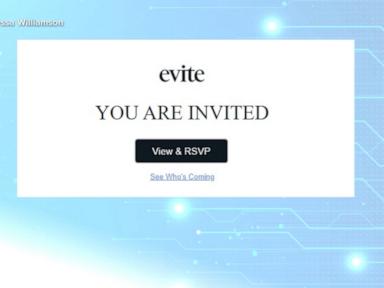
The vibration of a smartphone on a nightstand is the modern siren song. For a teenager, it is everything. It is validation. It is inclusion.
Picture a seventeen-year-old named Maya. She is sitting on the edge of her bed, the blue light illuminating her face. Her thumbs fly across the glass. She has spent weeks feeling slightly outside the circle at her new school, watching the tightly knit groups whisper in the hallways. Then, the notification appears. It is a calendar invite, sleek and official, complete with a location pin and a guest list of names she recognizes. The digital card reads: End of Term Blowout — Open Bar & Secret Location.
Her heart leaps. She is in.
She clicks "Accept." She inputs her email, her phone number, and, to secure the "VIP entry pass," she types in her home address. She even pays a small five-dollar registration fee through a quick-link portal.
But there is no party.
The address belongs to an empty warehouse or, worse, a family completely unaware that their quiet suburban home has been pinned on a digital map. Maya has not been invited to a social breakthrough. She has been targeted by a sophisticated identity harvesting operation. When she shows up next Friday night, the only thing waiting for her will be a dark street and the slow, cold realization that she gave away her digital keys to a stranger.
This is the new frontier of digital deception: the fake party invite. It is a scam engineered not to break into corporate firewalls, but to exploit the fundamental human desire to belong.
The Architecture of the Illusion
For years, we taught younger generations to look out for the obvious red flags. We told them to ignore emails from deposed princes or text messages claiming a random package was stuck in customs. Cybercriminals noticed that the old tricks were failing. They realized that to catch a younger, more tech-savvy demographic, they needed to change the bait.
They shifted from fear to FOMO.
The mechanics of this scam are brutally simple yet psychologically brilliant. Bad actors utilize automated bots to flood calendar applications, social media direct messages, and group chat platforms with mass invitations. These are not sloppy, misspelled emails. They are meticulously designed digital flyers that mimic the exact aesthetic of popular event-planning apps.
Consider how a standard calendar application functions. By default settings on most devices, anyone can send an invite to your email address, and it will automatically populate your personal schedule. It bypasses the spam filter because it isn't an email; it is a system event. The notification pops up with the urgency of a real appointment.
The psychological trap springs open immediately. When an invitation arrives out of nowhere, our natural skepticism is often overridden by curiosity or ego. We ask ourselves, Who sent this? How do they know me? Instead of deleting the entry, we investigate. And the moment we interact with the link, we step onto the quicksand.
What They Are Really Hunting For
It is tempting to look at a five-dollar "ticket fee" or an RSVP form and assume the stakes are low. They aren't. The pocket change collected from thousands of hopeful teenagers adds up, but the money is merely a byproduct. The true prize is data.
We live in an economy where personal information is the ultimate currency. When Maya filled out that RSVP form, she didn't just type words into boxes. She provided the missing puzzle pieces that data brokers and hackers use to build a complete profile.
- The Phone Number: Used to launch targeted SMS phishing attacks, known as "smishing," which appear to come from banks or delivery services.
- The Email and Password Combination: Most people reuse passwords. A password entered into a fake RSVP form is immediately tested against Netflix, Spotify, Amazon, and banking apps.
- The Home Address: The final anchor that allows criminals to attempt identity theft, open fraudulent accounts, or target the household with sophisticated mail scams.
The danger mutates once the date of the fake event arrives. In several documented instances across major cities, hundreds of teenagers have converged on a single location, creating massive public disturbances, blocking traffic, and drawing heavy police intervention. The victims are left stranded, embarrassed, and vulnerable in unfamiliar neighborhoods late at night. The emotional fallout is immediate; the financial fallout can linger for years.
The Myth of the Digital Native
There is a comfortable lie we tell ourselves about technology. We assume that because a generation was born with a tablet in their hands, they are inherently immune to digital manipulation. We call them digital natives.
The reality is far more complicated. Knowing how to navigate an interface is not the same as understanding the infrastructure beneath it. A teenager might be able to edit a viral video in seconds, yet remain completely unaware of how automated scripts scrape data from public social media profiles to target them.
Cybercriminals exploit this gap. They know that younger users are constantly online, highly peer-driven, and quick to click. They understand that a teenager is far more likely to question a suspicious email from a bank than a notification that looks like a Saturday night plan.
The problem is compounded by the design of modern operating systems. In the name of convenience, tech companies have made our devices incredibly porous. An invitation slide-toggles its way onto a lock screen without permission. It takes a conscious, deeply informed effort to dive into privacy settings and lock those digital doors.
Reclaiming the Digital Perimeter
Defeating this trend requires shifting from passive consumption to active defense. The solution is not to confiscate devices or retreat from the digital world, but to change the default settings of our digital lives.
The first line of defense is technical. Every major calendar provider allows users to disable the feature that automatically adds invitations from unknown senders to the schedule. Turning this off means an invite will only appear if it comes from an approved contact. It transforms the calendar back into a personal tool rather than an open billboard for strangers.
The second line of defense is cultural. We must instill a rule of radical verification. If an invitation arrives from an unrecognized organizer, the immediate response should be cross-referencing. Reach out to friends through a separate, trusted channel. Ask the simple questions: Did you get this? Do you know who is hosting? Have you spoken to them directly? If an event requires a payment or sensitive personal details upfront just to view the location, it is a trap. Legitimate events use established, verified ticketing platforms that offer buyer protection and clear organizational transparency.
The Quiet After the Screen Fades
Go back to Maya.
Imagine the alternative path. The notification buzzes. The graphic is beautiful, the promises of a legendary night are alluring, and her finger hovers over the link. But she pauses. She notices that the sender's address is a string of random characters. She realizes none of her close friends have mentioned the event.
She deletes the invite. She goes into her phone’s settings, toggles off the automatic calendar additions, and puts the device face down on the nightstand.
The room is quiet. The screen stays dark. She didn't get a VIP pass, but she kept something infinitely more valuable: her security, her privacy, and her peace of mind. The modern world will keep knocking on our digital doors, demanding entry, but we still hold the power to decide who gets to walk through.