A man sits in a nondescript office in a mid-sized American city. He is not a spy. He doesn't carry a weapon. He is a software engineer named Elias, and he has spent the last three years of his life teaching a machine how to recognize the subtle, flickering patterns of a failing power grid. It is his life’s work. Thousands of hours of coding, caffeine-fueled nights, and the quiet pride of creating something that might save a city from a blackout.
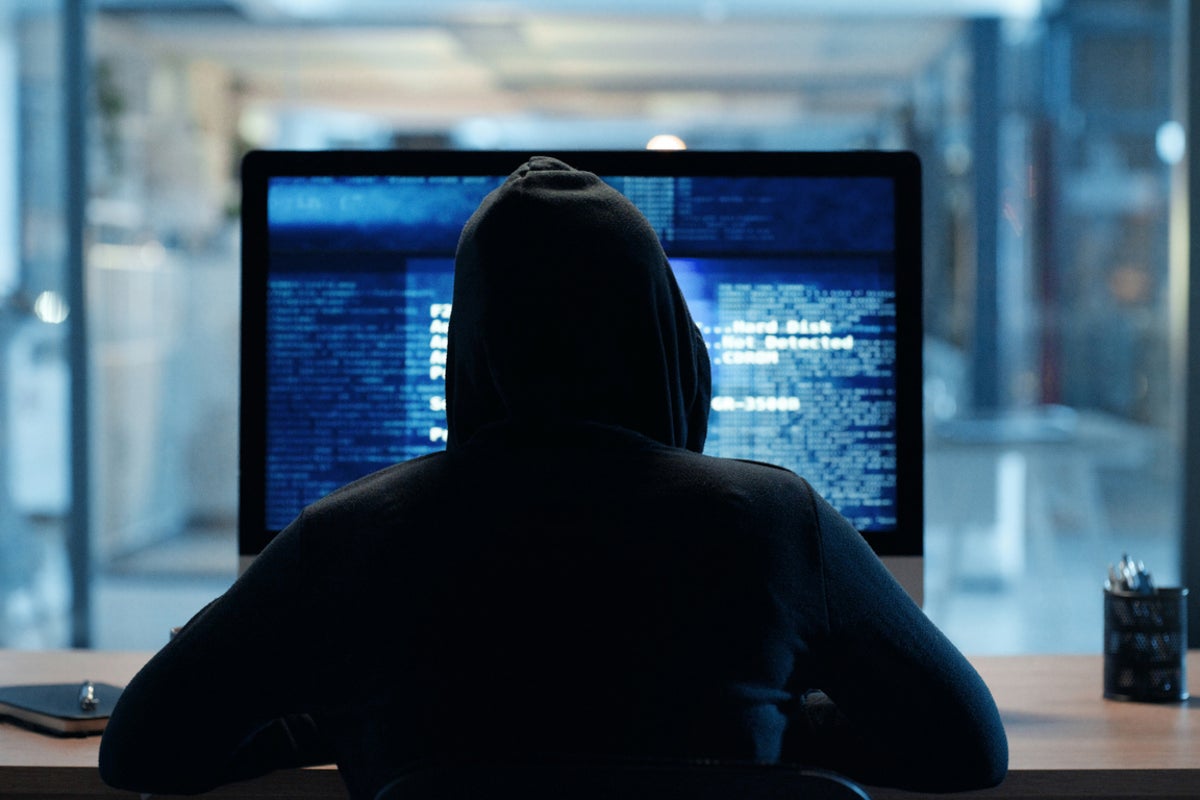
One morning, Elias logs in to find a ghost in his machine. A series of unauthorized pings from an IP address he doesn't recognize. By the time he realizes what is happening, the architecture of his neural network—the very soul of his project—has been mirrored, encrypted, and whisked across the Pacific.
This isn't a scene from a thriller. It is the reality of the "industrial-scale" theft the United States is now laying at China's doorstep.
The accusations coming out of Washington are loud, jagged, and timed for maximum impact as a high-stakes diplomatic visit looms. But beneath the political grandstanding lies a deeper, more unsettling story about how the world’s most valuable resource is being harvested in the dark. We are no longer talking about stealing blueprints for a jet engine or the secret formula for a soda. We are talking about the theft of thought.
The Algorithm in the Suitcase
AI is different from any technology we have ever built. If you steal a tractor, you have one tractor. If you steal the code for an AI, you have the ability to replicate a mind.
The U.S. government’s latest intelligence reports describe a sophisticated, multi-layered operation. It isn't just hackers in dark rooms. It is a coordinated effort involving academic pressure, corporate espionage, and state-sponsored digital incursions. The goal is simple: to leapfrog decades of research and development by simply taking the finished product.
Consider the sheer scale of the labor involved in building a foundational AI model. You need massive datasets, billions of dollars in specialized chips, and, most importantly, the intuition of the world’s brightest researchers. When that intellectual property is siphoned off, the victim isn't just losing money. They are losing their lead in a race where the winner defines the rules of the next century.
The Human Toll of Abstract Data
We tend to talk about "data" as if it is oil—a raw, cold commodity. But data is us. It is the way we move, the way we speak, the way we solve problems. When an adversary targets AI models designed for healthcare or infrastructure, they aren't just stealing "math." They are stealing the collective experience of the people who provided that data.
For a researcher at a startup in Silicon Valley or a lab in Boston, this theft feels like a violation of the future. Imagine spending your career perfecting a diagnostic tool that can spot cancer months before a human doctor, only to see a carbon-copy version of your software pop up in a state-run hospital halfway around the world, rebranded and repurposed.
The emotional weight of this is heavy. It breeds a culture of suspicion. Suddenly, the open-source spirit that built the internet feels like a liability. Collaboration, once the bedrock of the scientific community, starts to look like a backdoor for theft.
The Geopolitical Chessboard
The timing of these accusations is no accident. With a presidential visit to China on the horizon, the U.S. is using these findings as a heavy hammer. It’s a message: We see you, and we know exactly what you are taking.
But why now?
Because AI has moved from a "cool feature" to the primary engine of national power. Whoever controls the most advanced AI will control the global economy, the flow of information, and the precision of modern warfare. The U.S. currently holds the edge in innovation, but China is closing the gap with a speed that defies the traditional laws of industrial growth.
The theft is a shortcut. It is a way to bypass the "valley of death" where most startups fail. By harvesting the successes of American firms, the Chinese state can deploy advanced systems without the cost of the initial failures. It is industrial-scale plagiarism backed by the power of a superpower.
The Invisible Fence
In response, the U.S. is beginning to build what some call "The Great Firewall in Reverse." There are new export controls on the chips needed to run AI. There is increased scrutiny of international research partnerships. There is a palpable tightening of the screws.
Yet, there is a cost to security. If Elias, our engineer from earlier, can’t share his findings with a colleague in Shanghai, does the world’s progress slow down? If we treat every line of code as a national security secret, do we stifle the very innovation we are trying to protect?
It is a paradox. To keep the lead, you must run fast. But it is hard to run fast when you are constantly looking over your shoulder to see who is reaching into your pockets.
The Ghost in the Code
The reality of 2026 is that the battlefield is everywhere. It is in the server racks of a cloud provider. It is in the "Help Wanted" ads targeted at disgruntled tech workers. It is in the subtle "pings" that Elias saw on his screen.
We are living through a period of history where the most important wars are fought without a single shot being fired. They are fought in the quiet hum of data centers. They are fought in the minds of engineers who realize, too late, that their work has been weaponized against the very values they hold dear.
As the political leaders prepare to sit across from one another at polished mahogany tables, the real drama is happening in the digital shadows. The accusations will be denied. The evidence will be called "fabricated." The diplomatic dance will continue.
But back in his office, Elias is deleting his old repositories. He is changing his passwords. He is looking at his life's work through a new, darker lens. He realizes that in the modern age, a breakthrough isn't just a triumph. It’s a target.
The harvest continues, and the world is slowly waking up to the fact that the barn doors were left open far too long. The question now isn't whether the theft can be stopped, but what is left to protect once the most valuable ideas have already been spirited away into the night.
The code is out there. It is being refined, retrained, and deployed. And the original creators are left staring at empty screens, wondering when the ghost in the machine will finally speak back in a language they no longer control.