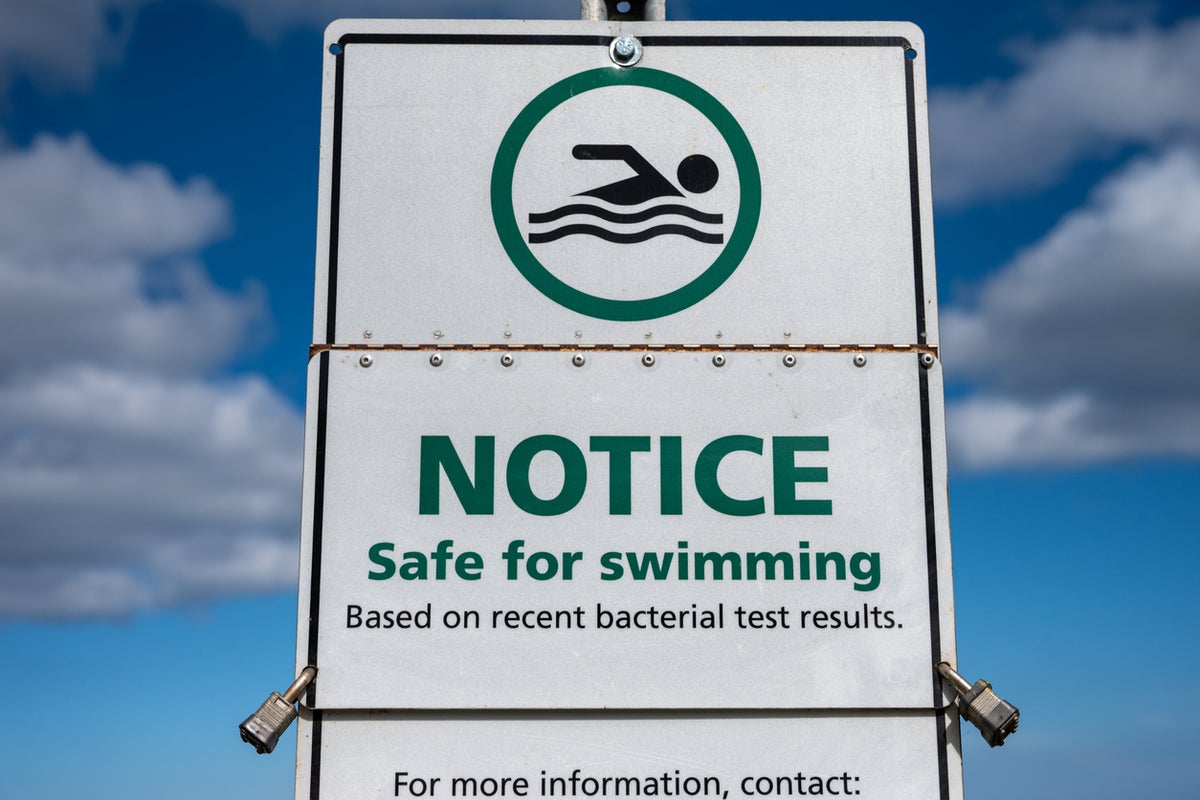
A brutal summer heat wave is currently packing Los Angeles County beaches with thousands of residents desperate for relief, but public health officials are issuing a stark warning that entering the water right now could make you seriously ill. High bacteria counts have triggered ocean water warnings across multiple premier coastal destinations, creating a dangerous intersection of extreme weather and public health risks.
While the immediate advice from the Los Angeles County Department of Public Health is simple—stay out of the water—the underlying mechanism driving this crisis is far more complex than a simple spike in beachgoers. The danger stems from an invisible, systemic failure of urban infrastructure colliding with changing climate patterns.
The Toxic Confluence of Heat and Runoff
The public looks at a crowded beach during a heat wave and assumes the people are the problem. They are wrong. While increased human activity does contribute marginally to localized water quality degradation, the real culprit lies beneath the pavement of the massive Los Angeles basin.
When temperatures soar into the triple digits inland, energy grids strain, and urban infrastructure bakes. Millions of residents crank their air conditioning, leading to massive amounts of condensation dripping into local storm drains. Simultaneously, cities increase municipal watering to protect scorched landscaping. This collective runoff creates a slow, steady pulse of highly concentrated water that snakes through hundreds of miles of concrete channels before emptying directly onto the sand.
How Urban Baking Multiplies Bacteria
Under normal circumstances, sunlight acts as a natural disinfectant for coastal waters. Ultraviolet rays break down harmful pathogens over time. However, a prolonged heat wave disrupts this natural balance through several distinct mechanisms.
- Stagnant Water Warmth: Shallow coastal waters heat up rapidly under a relentless sun. This creates an ideal incubation environment for fecal indicator bacteria like Enterococcus, E. coli, and total coliforms. Instead of dying off, these pathogens multiply.
- The Concrete Funnel Effect: Los Angeles is wrapped in a concrete jacket designed to shed water as fast as possible to prevent flooding. This means every drop of urban grime—pet waste, leaking sewage from aging underground pipes, and rotting organic matter—is funneled straight to the ocean without any natural soil filtration.
- Thermocline Stratification: Warm water sits on top of colder, denser ocean water. This stratification traps pollutants right at the surface, precisely where swimmers, surfers, and children wade.
The result is a invisible soup of pathogens that defies the picture-postcard image of Southern California.
Deconstructing the Bureaucratic Warning System
The current framework for monitoring beach safety protects municipalities legally, but it often fails the public practically. Los Angeles County samples water at dozens of sites weekly, testing for specific bacterial markers that indicate the presence of human or animal waste.
There is a lag.
A water sample taken on a Tuesday requires at least 18 to 24 hours of laboratory incubation before technicians can read the results. By the time a warning sign is hammered into the sand on Thursday morning, thousands of people have already spent Wednesday swimming in contaminated water. This reactive posture means the public is always swimming in yesterday's data.
The Real Cost of Fecal Contamination
Exposure to these elevated bacterial levels is not a minor inconvenience. It represents a genuine medical hazard that strains local urgent care clinics during holiday weekends.
The most common affliction is gastroenteritis, an inflammation of the stomach and intestines that causes vomiting, severe abdominal cramps, and diarrhea. For a healthy adult, it means a miserable few days missed from work. For a toddler who accidentally swallows a mouthful of shore-break water, or an elderly resident with a compromised immune system, it can quickly escalate into severe dehydration requiring hospitalization.
Pathogens also find their way into ears, eyes, and minor cuts. Ear infections can turn chronic if untreated, and simple scrapes can morph into virulent staph or strep infections when exposed to coastal runoff.
Beyond the Warning Signs
Local officials routinely advise staying at least 100 feet away from flowing storm drains and creeks, but ocean currents do not respect arbitrary boundaries. Longshore currents move parallel to the shoreline, carrying plumes of contaminated water down the beach, far past the visible warning signs.
The long-term solution requires a massive re-engineering of how the Los Angeles basin handles water. Capturing urban runoff before it reaches the sand through regional spreading grounds, subterranean infiltration pits, and modernized water treatment facilities is the only way to sever the link between rising temperatures and toxic beaches. Until those infrastructure investments are fully realized, the burden of risk falls entirely on the individual. Check the latest daily water quality reports before packing a towel, avoid swimming for at least 72 hours after any unusual summer rain event, and accept that during a heat wave, the safest place to cool down might be nowhere near the ocean.


