The air inside the Great Hall of the People has a specific weight. It is thick with the scent of polished wood, heavy tea, and the unspoken expectations of a billion people. When a world leader walks across those vast, crimson carpets, they aren't just stepping on wool; they are walking over the ghosts of centuries of diplomacy, war, and recovery.
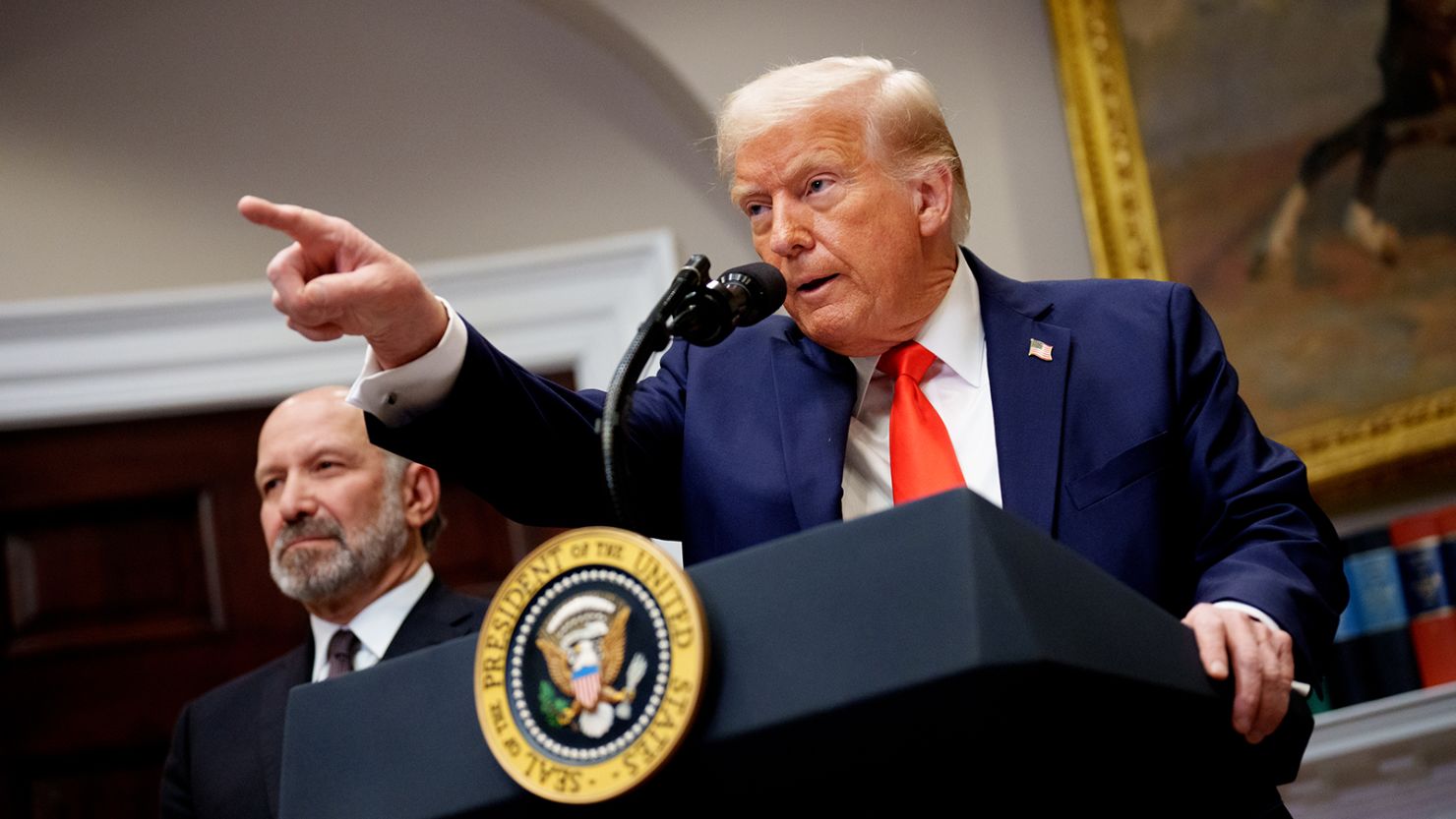
Donald Trump’s arrival in Beijing wasn't just a state visit. It was a collision of two entirely different ways of seeing the world. On one side, the American style: loud, transactional, and focused on the immediate win. On the other, the Chinese approach: patient, symbolic, and obsessed with the long game. This wasn't a meeting about trade deficits or steel prices alone. It was a conversation about where one giant’s reach ends and the other’s begins. You might also find this similar article useful: The Brutal Reality of Keir Starmer’s Disappearing Honeymoon.
Beijing called them "four red lines." To the casual observer, they sound like bureaucratic jargon. To the people who live in the shadow of these decisions, they are the difference between a stable job and a closed factory, or between a quiet sea and a flashpoint of global conflict.
The Geography of Identity
Imagine a map spread across a table in a dimly lit room. To a diplomat, Taiwan is a strategic island, a "red line" etched in permanent ink. But to a family in Xiamen, looking out across the water, it is a living reality. When China tells a visiting president that Taiwan is the most sensitive issue in the relationship, they aren't just making a legal claim. They are asserting a fundamental piece of their national soul. As reported in recent reports by The New York Times, the effects are worth noting.
The "One China" principle is the first and most immovable of these lines. It is the bedrock. For decades, the world has operated on a delicate ambiguity, a polite agreement to disagree while keeping the peace. But the mood in Beijing has shifted. The ambiguity is thinning. They wanted the American delegation to understand that this isn't a bargaining chip to be traded for a better deal on soybeans or semiconductors. It is, in their eyes, a matter of sovereignty that defies a price tag.
The System Behind the Silicon
The second line is more abstract but equally guarded: the path of development and the political system.
We often talk about the Chinese economy as if it were a mirror of our own, just with different branding. It isn't. It is a massive, state-directed engine fueled by a philosophy that prioritizes collective stability over individual volatility. When Western leaders arrive with demands for structural changes—to dismantle the state-owned enterprises or to adopt a different style of governance—they aren't just asking for policy tweaks. They are asking China to rewrite its DNA.
Beijing’s message was clear: do not try to change us.
This creates a tension that vibrates through every factory floor in the Pearl River Delta. If the U.S. insists on a "level playing field" that requires China to abandon its core economic model, we aren't headed for a deal. We are headed for a decoupling. Think of two gears that have been locked together for forty years, suddenly realizing their teeth no longer fit. The grinding sound you hear is the global supply chain shuddering.
The Human Toll of Policy
Let’s look at the third line: democracy and human rights.
This is where the narrative often fragments. In the West, these are universal values, the North Star of any just society. In the halls of Beijing, they are often framed as "internal affairs," a shield used to ward off what they perceive as foreign interference designed to destabilize their growth.
Behind these high-level disagreements are actual people. There is the tech entrepreneur in Shenzhen who needs the global internet to stay open to grow his business. There is the student in Shanghai who wants to study in the U.S. but fears she will be caught in the crossfire of visa bans and security crackdowns. These red lines aren't just lines on a map; they are walls being built around human potential. When we stop talking about values and start drawing lines, the space for empathy shrinks.
The Blue Water Brinkmanship
The final line involves the South China Sea and regional security.
To a fisherman in the Philippines or a coast guard officer in Vietnam, the "red line" is a physical presence. It is a gray hull on the horizon. For the U.S., it is about the "freedom of navigation"—the idea that the oceans belong to everyone and the world’s trade must flow without a gatekeeper. For China, it is about their "backyard," a historical claim to waters they believe are essential for their defense.
During the visit, the air was filled with the language of "mutual respect" and "win-win cooperation." But the reality is a high-stakes game of chicken played with billion-dollar warships. If neither side can find a way to share the water, the red lines will eventually be crossed by mistake.
The Cost of a Misstep
The problem with red lines is that they leave no room for the messy, human art of compromise.
If you tell a neighbor they can never step on your lawn, and they tell you that the lawn actually belongs to them, you are no longer neighbors. You are litigants. Or worse.
The visit was a spectacle of "super-state-plus" hospitality. There were dinners in the Forbidden City and military parades that shook the pavement. But beneath the gold leaf and the handshakes, the tectonic plates were shifting. The U.S. is beginning to see China not as a partner to be integrated, but as a rival to be contained. China sees the U.S. not as a leader to be followed, but as a fading power trying to hold back the clock.
This isn't just about two men in suits sitting in high-backed chairs. It is about the price of your next phone. It is about whether your children will grow up in a world of cooperation or a world of competing blocs.
The red lines are drawn. The ink is drying. The real work isn't in drawing them deeper, but in finding the narrow, winding paths that still manage to cross them without tripping the wire.
As the motorcade pulled away from the Great Hall, the silence returned to the square. The flags stopped fluttering. The red lines remained, invisible but absolute, waiting for the next person brave—or foolish—enough to test their strength. We are living in the space between those lines, hoping the ink never turns to blood.