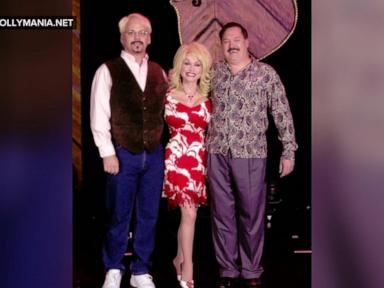
The world of Dolly Parton memorabilia collecting operates on a scale of devotion that defies ordinary consumerism. Tucked away from casual public view, private hoards maintained by ultra-fans like Harrell Gabehart and Patric Parkey represent millions of dollars in cultural preservation, operating as unofficial archives for a living legend. While commercial tourism thrives around destinations like Pigeon Forge and the official Nashville installations, the private sector of fandom tells a grittier story of obsessive preservation, market inflation, and emotional transference.
The Economics of Sequins and Vinyl
Collecting pop culture artifacts has always been a speculative venture, but archiving a living icon introduces unique market anomalies. Standard memorabilia economics dictate that scarcity drives value. Yet, Dolly Parton’s career spans seven decades of relentless commercial output, resulting in an ocean of promotional items, vintage vinyl, custom apparel, and dolls that complicates simple categorization.
When collectors amass the largest private holdings, they are not merely buying merchandise. They are competing in a specialized secondary market where stage-worn garments, rare international pressings, and early promotional items command staggering sums. A standard 1970s RCA pressing of Coat of Many Colors might fetch a few dollars in a bargain bin, but a verified promotional copy with radio station notations or a custom-tailored stage costume shifts the financial reality entirely.
Insiders know that authenticity remains the single greatest hurdle in this space. Unlike historical artifacts with centuries of documented provenance, pop culture items from the mid-20th century forward often lack formal paper trails. Collectors must rely on visual analysis, fabric matching from television appearances, and deep archival knowledge to separate genuine stage artifacts from clever reproductions.
Emotional Labor and the Archival Obsession
The psychological architecture behind maintaining a massive private collection involves far more than financial investment. It requires physical space, climate control, and meticulous cataloging systems that rival professional museums. Dust, humidity, and ultraviolet light are the constant enemies of vintage paper goods, promotional posters, and delicate textile pieces.
For collectors who dedicate their lives to gathering these items, the project is intensely personal. It bridges the gap between parasocial attachment and physical reality. Every custom-framed record sleeve or autographed photograph functions as a touchstone to a shared cultural narrative of working-class triumph and Appalachian folklore.
When Parton herself eventually encounters these mega-collections, the dynamic shifts from fan worship to mutual acknowledgment. It is one thing to admire an icon from the fifth row of an arena. It is quite another to have that icon walk into a climate-controlled room and examine artifacts of her own past that she may not have seen since the Nixon administration. That moment of validation justifies decades of searching flea markets, online auctions, and estate sales for missing pieces of the puzzle.
The Institutional Shift
As private collections grow in volume and historical significance, a quiet tension emerges between domestic preservation and public accessibility. Most private hoarders start simply by buying things they love. Eventually, the sheer mass of the collection outgrows spare bedrooms and basement vaults.
Insurance companies demand specialized riders. Security systems become mandatory. The casual hobby transforms into a curator's nightmare. At the same time, official entities like the upcoming commercial spaces in Nashville attempt to centralize the narrative, offering polished, curated experiences for the general public.
Yet, institutional curation often sanitizes the rough edges of fandom. Official museums present the official story. Private collections, by contrast, capture the chaotic, nonlinear reality of how fans actually consumed and interacted with Parton's multi-media empire over the decades. They include the cheap plastic dolls, the localized fan club newsletters, and the weird promotional tie-ins that corporate archives usually prefer to forget.
Preserving cultural history requires both the sanitized museum floor and the obsessive private vault. As long as artists maintain cultural ubiquity, these underground archives will continue to expand, driven by the belief that every discarded promotional poster or vintage cassette tape holds a vital piece of modern folklore.
For a closer look at these extraordinary archives and the minds behind them, watch this feature on the world's largest private Dolly Parton collection.
Inside the largest private collection of Dolly Parton memorabilia
This video provides an authentic look inside the massive private collection owned by Harrell Gabehart and Patric Parkey, detailing the physical scale of their holdings and the memorable moment Dolly Parton herself saw the archive.