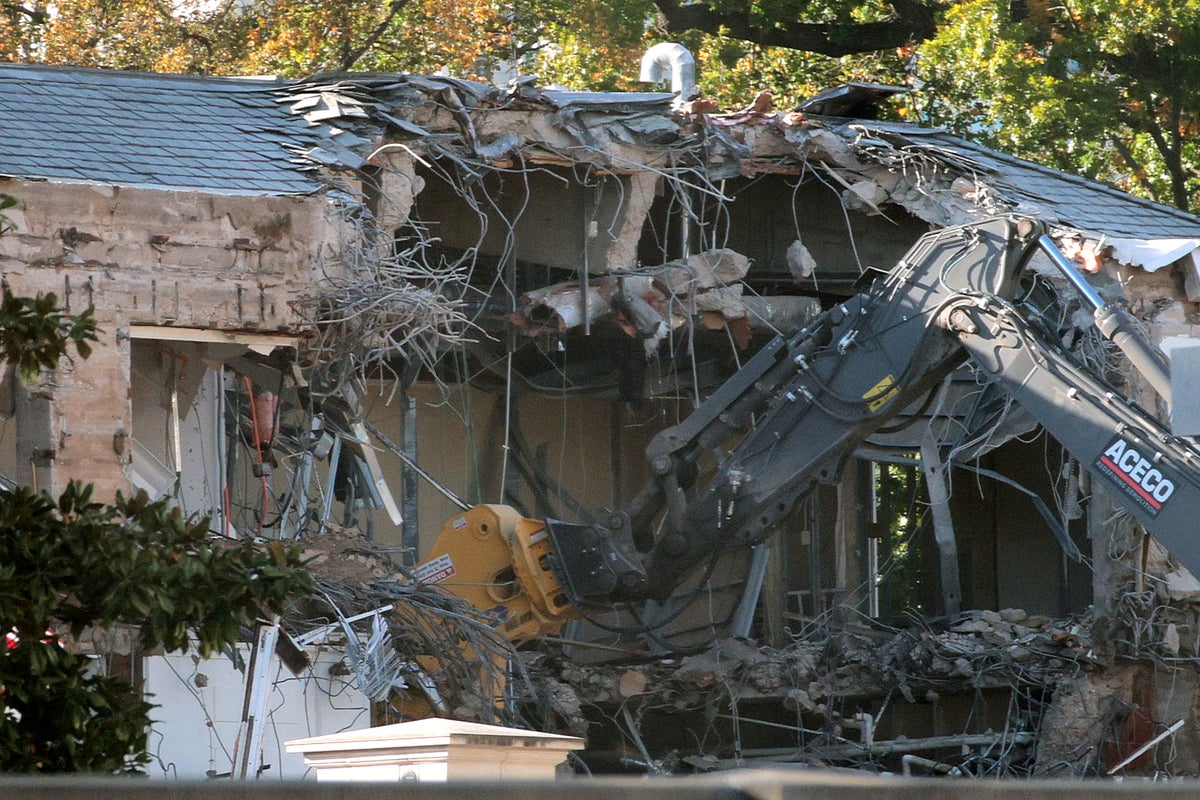
The physical transformation of executive grounds through private corporate underwriting creates an unprecedented constitutional gray area that goes far beyond aesthetic alterations. When the administration bypassed congressional appropriations to construct a massive 90,000-square-foot ballroom on the site of the historic East Wing, reliance on private checks shifted the mechanics of governance. This arrangement relies on contributions from corporate giants and wealthy benefactors, turning executive architecture into a transactional canvas. Understanding why this funding model alarms legal scholars and ethics watchdogs requires looking past the glossy architectural renderings and examining the intersection of executive power, corporate lobbying, and the erosion of legislative oversight.
The Mechanics of Off-Book Construction
For generations, the people's house maintained a strict barrier between private benevolence and public infrastructure. Major structural overhauls historically required explicit congressional authorization, adhering to the constitutional power of the purse designed to prevent undue influence. By funding a project whose estimates ballooned past three hundred million dollars entirely through external contributions, the current administration avoided traditional legislative bottlenecks.
Construction crews moved quickly. Heavy machinery tore down historical rooms that once housed the Office of the First Lady to make space for the sprawling entertainment venue.
This speed came with a heavy cost to transparency. While public officials defended the project as a patriotic gift requiring zero taxpayer dollars, the identity of every benefactor remained heavily guarded. Investigative reports gradually unmasked corporate entities ranging from defense contractors to major tech platforms among the contributors, clashing directly with initial promises of complete openness.
The Lobbying Intersection
Corporate philanthropy rarely operates in a vacuum. Major enterprises participating in the ballroom initiative maintain billions of dollars in active federal contracts, regulatory reviews, and pending litigation before executive agencies. Watchdog groups analyzing federal lobbying disclosures noted that numerous corporate donors omitted their contributions from mandatory periodic filings, sparking intense scrutiny from congressional investigators.
Consider a hypothetical scenario where a major defense contractor or technology firm facing antitrust investigations contributes millions to an executive infrastructure project. Even if policy outcomes remain entirely insulated from such gifts, the appearance of transactional access corrodes public trust. Ethics rules governing the executive branch were originally forged to prevent this exact convergence of private capital and public power. When anonymous checks build physical monuments on federal property, the line separating public stewardship from private patronage blurs beyond recognition.
Legal Battles and Constitutional Checks
The friction between the executive branch and preservationist organizations has already spilled into federal courts. Organizations like the National Trust for Historic Preservation filed lawsuits arguing that the demolition of federal grounds without congressional sign-off violates core separation-of-powers principles.
Judicial intervention faces steep hurdles. The administration maintains that security upgrades, including reinforced structural elements designed to withstand high-threat scenarios, fall squarely under executive authority. Yet legal analysts point out that expanding executive grounds into a massive commercial-scale event center using unvetted private funds sets a dangerous precedent. If one administration can solicit anonymous millions to reshape the executive estate, subsequent leaders could theoretically outsource any federal building project to the highest bidder.
The debate over the ballroom is not merely about square footage, masonry, or historical preservation. It is a stress test for institutional integrity. As legal briefs pile up and congressional committees demand accountability records from corporate executives, the project stands as a monument to a changing political reality. Private money now builds public legacy, leaving the boundaries of executive power more vulnerable than ever.
White House Confirms U.S. President Donald Trump's $300M Ballroom Fully Privately Funded provides a detailed overview of the official announcements and funding structure regarding the construction project.