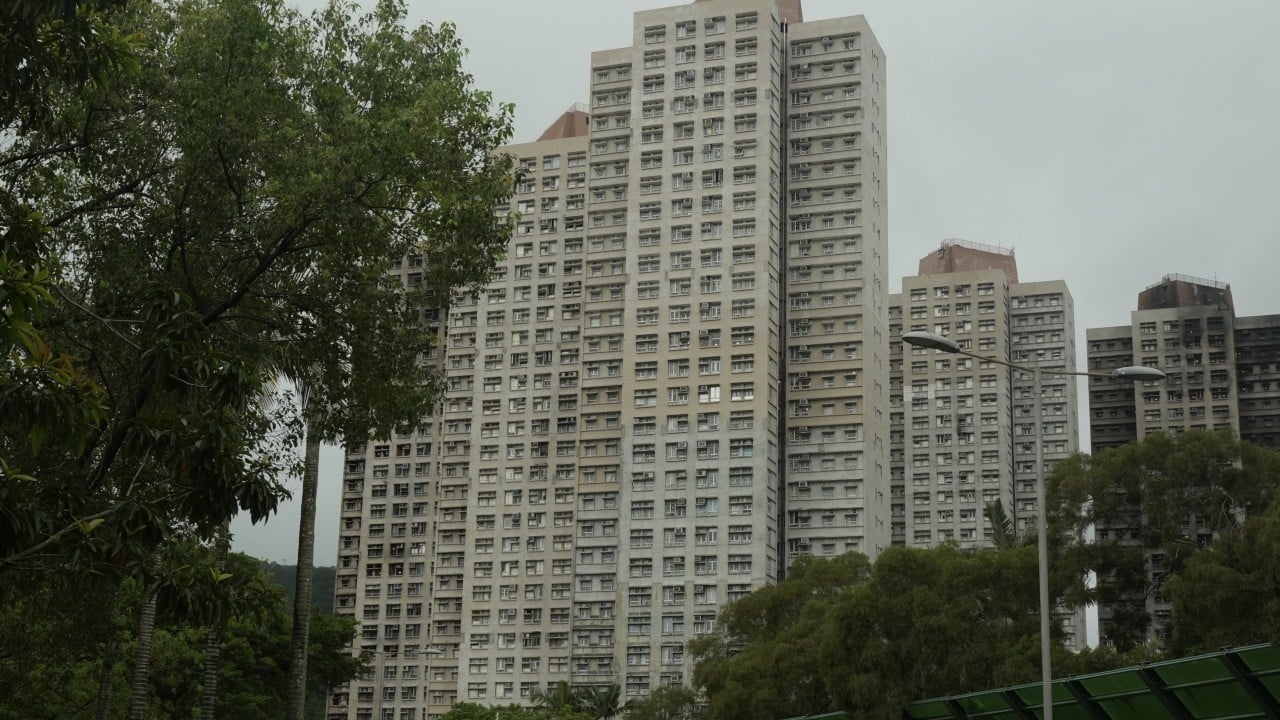
The Hong Kong government recently commenced mailing formal buyback offer letters to the traumatized homeowners of Wang Fuk Court in Tai Po. Residents have until mid-October to finalize their sales agreements, a tight deadline that closes the book on one of the deadliest residential disasters in the city’s history. For the residents of seven charred towers, and the single block left standing, this bureaucratic milestone represents a forced exit strategy dressed up as public benevolence. The government is spending billions to absorb a public housing catastrophe, setting a dangerous and unprecedented financial precedent for urban liability.
A massive five-alarm inferno ripped through the Home Ownership Scheme complex, burning for over 43 hours and claiming 168 lives. The fire spread rapidly because of highly flammable expanded polystyrene foam insulation and extensive bamboo scaffolding that encased the structures during an ongoing external renovation.
Instead of pursuing decades of structural litigation and complex redevelopment battles, the administration opted for a swift, total buyout. It is a massive real estate salvage operation disguised as humanitarian relief.
The Financial Mechanics of a Forced Exit
The total financial package for this operation is immense. The initial buyout pool sat at HK$6.8 billion, reserved exclusively for the seven ruined blocks. An additional HK$1 billion was later allocated to absorb the eighth tower, Wang Chi House.
Acquisition prices are strictly divided based on the financial status of the units. Owners who have not paid their government land premium are being offered HK$8,000 per square foot. For the minority who fully paid off their premiums, the state is cutting checks at HK$10,500 per square foot.
The government structured these payouts to match the prevailing market rates of nearby, undamaged subsidized estates. But this is not a normal real estate transaction. It is a state-funded liquidation.
Cash payments are designed to clear the books quickly, pushing displaced families back into the secondary housing market or forcing them into a specialized flat-for-flat exchange scheme. To accelerate the process, officials added a competitive element. Homeowners who signed early letters of acceptance received top priority in choosing replacement flats during a special sales exercise.
The Isolated Island of Wang Chi House
The most complex part of this buyout is not the towers that burned, but the one that did not. Wang Chi House stood physically untouched by the flames, yet its structural future was immediately destroyed.
Initially, the government excluded this lone tower from the multibillion-dollar buyout plan. The initial administrative stance was simple. If the building did not burn, the state had no obligation to purchase it.
That logic collapsed instantly under pressure from real estate reality and intense grassroots panic.
Wang Chi House could not exist on its own. The entire estate was built in 1983 as a unified ecosystem. The essential utilities, high-voltage transformers, fresh and flush water pumping stations, and central fire safety infrastructure were designed to be shared across all eight towers.
If the seven ruined towers were demolished while Wang Chi House stayed behind, the remaining residents would have inherited a catastrophic financial burden. They would have been forced to fund the complete reconfiguration of shared utilities out of their own pockets. The per-household cost for basic estate management, security, and cleaning would have skyrocketed to impossible levels.
The market value of the units plummeted overnight. No private buyer would touch a flat inside an isolated, stigmatized tower sitting in the middle of a major demolition zone. The estate faced a permanent freeze in liquidity.
The Failed Rebellion for On Site Reconstruction
A small, vocal faction of property owners attempted to reject the buyout. Led by former owners' corporation members, this group launched an aggressive petition demanding in-situ reconstruction. They presented a list of nine demands, insisting the government rebuild the entire eight-block complex from scratch on the original Tai Po footprint.
The movement collapsed under scrutiny.
Rank-and-file residents grew suspicious and filed complaints with district authorities. An investigation revealed that the petition lacked identity verification. Anyone could sign multiple times, which completely destroyed its credibility as a genuine community consensus.
The reality behind the reconstruction movement was strategic, not sentimental.
Activists were using the threat of a holdout as leverage to extract higher compensation from the Financial Secretary Incorporated. Holding out carried severe risks for the broader community. If the dissenters had successfully blocked the consensus, they would have frozen the buyout process for everyone, trapping hundreds of displaced families in temporary transitional housing.
The government outmaneuvered the holdouts by setting a strict democratic threshold. For the buyout to extend to the unburned block, at least 75 percent of the owners had to sign binding letters of intent. The community chose immediate financial escape over a prolonged legal standoff. Roughly 77 percent of the owners signed on, barely crossing the line to secure their inclusion in the HK$1 billion expansion package.
The Dangerous Precedent of State Funded Bailouts
The mid-October deadline marks a major milestone for the survivors, but it creates a difficult situation for the city's housing officials. By spending nearly HK$8 billion to buy out a private estate, the government has blurred the line between public safety regulator and corporate insurer.
The preliminary investigation into the fire points to clear, human systemic failures. Worker smoking violations had been reported by residents months prior to the incident. Flammable materials were left exposed next to active construction zones. The estate was undergoing standard maintenance, an activity governed by private contracts between the owners' corporation, property management companies, and construction firms.
Under normal legal conditions, a disaster like this triggers decades of insurance litigation, corporate bankruptcies, and civil lawsuits. The government stepped in and bypassed that entire process by using public funds to buy out the liabilities.
This creates an expectation for future urban disasters. Hong Kong's aging housing stock requires widespread, high-density renovations over the coming decade. By absorbing the financial fallout of the Wang Fuk Court disaster, the administration has set a standard that will be difficult to maintain when the next private residential complex faces a structural crisis.
The clock is now ticking toward October 15. When those final sales agreements are signed, the government takes full ownership of a wasteland. The immediate humanitarian crisis will end, but the long-term financial questions surrounding this massive buyout will linger for years.