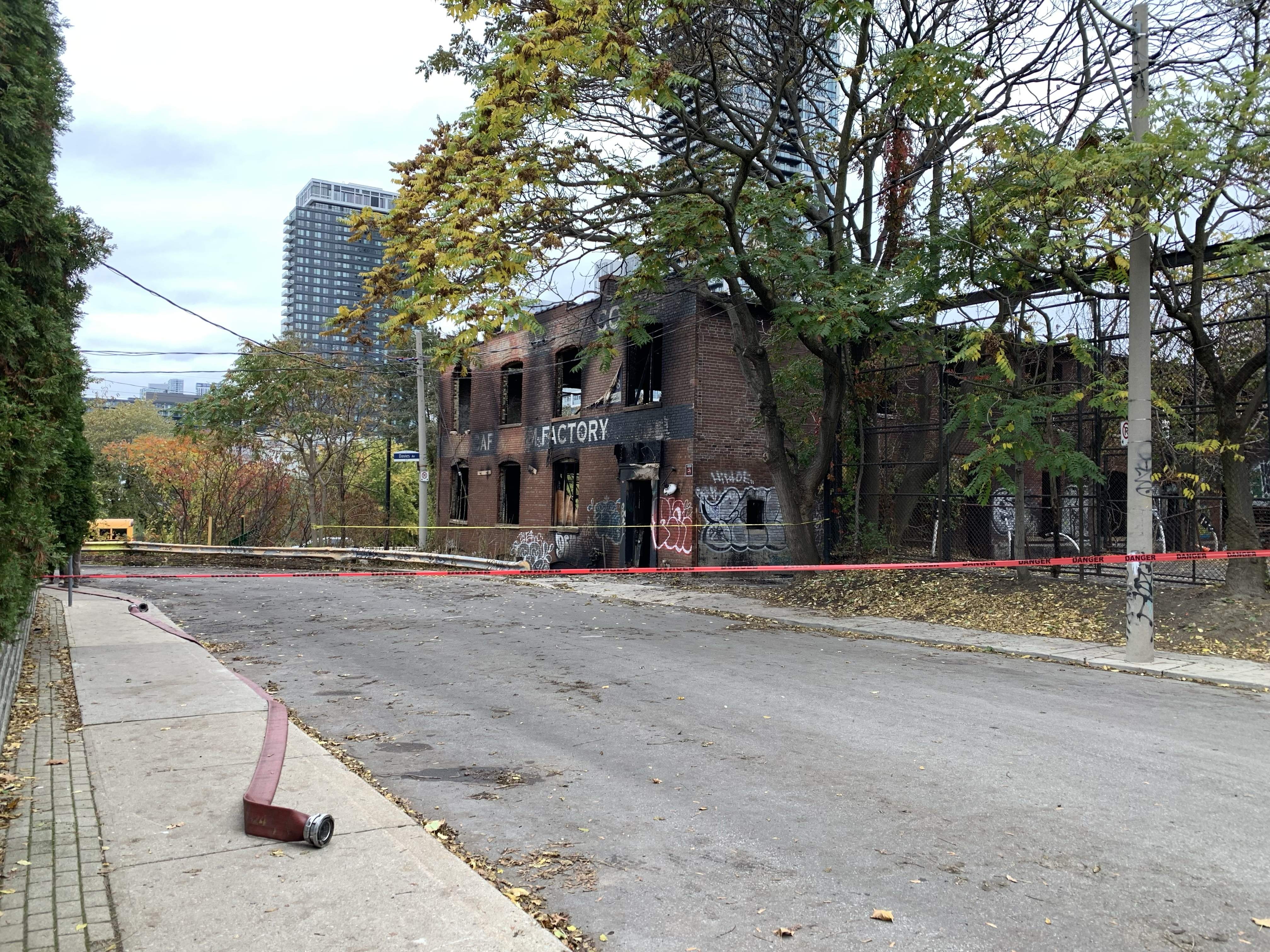
When Toronto police classify a blaze at an abandoned building as suspicious, the headline usually reads like a routine police blotter item. A late-night alarm. Heavy smoke. A closed artery near a major road.
Yet those standard updates miss the mechanics driving the pattern. Across Toronto, vacant structures sit in a legal and physical gray zone where slow-moving municipal enforcement, stalled redevelopment timelines, and unmonitored entry points collide. When police deem a fire suspicious at an abandoned Toronto building, investigators are rarely looking at a single random spark in isolation. They are tracing a chain of neglect, opportunity, and risk that builds up months—or years—before a single alarm sounds.
Anyone who has covered urban fires and municipal policy for decades knows the pattern. A structure empties out. Permits drag on, interest rates shift, or ownership changes hands. Meanwhile, the building becomes an island of dry timber, accumulated debris, and zero daily eyes on the site.
Why Empty Buildings Draw Trouble
An occupied building has built-in early warning systems. Someone smells burning toast, notices a propped-open door, or hears glass break at two in the morning.
An abandoned building has none of those defenses. Left unguarded, hollow structures routinely attract trespassers looking for shelter from cold weather, scrap metal scavengers, or teenagers daring each other into dark rooms. Once access becomes routine, fire risks multiply fast—whether from makeshift heat sources, discarded materials, or deliberate ignition.
Consider a hypothetical example to see how quickly a dormant property turns volatile. Suppose a mid-rise commercial building sits vacant for over a year while its owners wait on rezoning and financing. Plywood boards on ground-floor openings loosen or get pried back. Over several weeks, people slip inside to stay warm or hang out, bringing candles, portable heaters, or loose refuse. By the time a fire breaks out after midnight, flames have already fed on dry interior finishes before passing motorists even dial emergency services. That hypothetical scenario mirrors the exact vulnerabilities fire investigators watch for when a structure has stood empty for months.
What Investigators Look For When a Fire Is Suspicious
Calling a fire "suspicious" does not mean detectives have already proven arson in court. It means initial indicators point away from a straightforward, purely accidental household or mechanical cause—or that the scene requires deeper forensic scrutiny alongside fire investigators.
Determining origin and cause in a burned-out shell is grueling work. Heat distorts metal, collapses floors, and erases fragile clues. Investigators examine burn patterns, point-of-origin indicators, security camera footage from nearby businesses or traffic corridors, and whether the building had been properly secured prior to the blaze.
In major urban centers like Toronto, police investigators and fire officials also weigh context that never makes a 30-second broadcast clip. Was the structure recently visited by unauthorized entrants? Were utilities shut off or left compromised? Had neighbors complained about open access or deterioration?
The Bylaw Gap Between Paper Rules and Street Reality
Toronto has clear rules on the books for vacant properties. Under the city's property standards and vacant or hazardous property bylaws, owners of unoccupied buildings are required to prevent unauthorized entry—using secure locks or tight-fitting barriers such as plywood of at least 12 millimeters in thickness—and to disconnect or secure utilities when a building remains vacant for 90 days or more, subject to specific provisions such as those governing designated heritage properties.
Violations carry real penalties on paper, including orders to comply, fines, city-executed remedial work billed to the property tax roll, and court convictions with substantial maximum fines.
In practice, enforcement faces friction. Municipal inspectors rely heavily on complaints, follow-up notices, and administrative timelines while juggling thousands of properties across a sprawling city. A property owner can patch a board one week and see it torn down the next. Meanwhile, fines alone do not always move large commercial landowners or complex corporate holdings when holding costs are weighed against long-term real estate math.
There is also a genuine policy tension that critics and city officials wrestle with constantly. Aggressive boarding and demolition can strip neighborhoods of older buildings and character, while light-touch oversight leaves dangerous shells standing too long. Neither extreme is a magic cure-all, and any honest look at urban policy has to admit that enforcement capacity has limits.
The Hidden Cost to Firefighters and Neighbors
Every fire at an abandoned building taxes resources that the rest of the city relies on. Multi-alarm responses pull apparatus and crews from surrounding districts, stretch command bandwidth, and force road or transit closures that ripple across nearby corridors.
Even more importantly, vacant buildings pose distinct hazards to firefighters. Structural layouts may have been altered years earlier, floors or roofs may be weakened by water intrusion or rot, and partial collapses can happen with little warning once fire takes hold. Defensive operations—surrounding the structure and pouring water from a distance—protect crews when a building is already compromised, yet they still demand heavy coordination and time.
Nearby residents and adjacent businesses pay a price, too. Smoke drifts into neighboring homes, power or traffic detours disrupt daily routines, and a lingering eyesore turns into a recurring source of anxiety rather than a one-day news story.
Practical Steps That Actually Reduce Risk
Fixing vacant-building hazards does not require waiting for a dramatic policy overhaul. Several concrete measures make an immediate difference on the ground:
- Treat 90 days as a hard operational checkpoint. Property owners and managers should verify utility shutoffs, lockouts, and physical barriers right around the three-month vacancy mark—not months after complaints start.
- Inspect perimeter security after windstorms and weekends. Loose fasteners and ground-level entry points are the first things tested by trespassers.
- Clear combustible debris inside and along the perimeter. Removing loose trash, pallets, and dry brush deprives an accidental spark or deliberate flame of easy fuel.
- Use visible lighting and sightlines. Dark, recessed alcoves invite lingering; motion lighting and clear lines of sight from the street discourage casual entry.
- Document and report breaches early. Neighbors and business operators who spot broken boards or open doors should log dates and report issues through municipal channels such as 311 rather than waiting until smoke appears.
Abandoned buildings rarely catch fire in a vacuum. They burn where neglect meets access, and until cities close the gap between written bylaws and everyday upkeep, suspicious fires at empty structures will keep pulling sirens into the night.