The fragile lull in the Persian Gulf has officially shattered. Washington and Tehran traded direct kinetic blows for the first time in over a month, ending a quiet period that many diplomats mistook for permanent de-escalation.
US forces launched precision strikes against Iranian rocket launchers stationed on Larak Island in the Strait of Hormuz, targeting what Central Command identified as active preparations to deploy fresh sea mines. Within hours, the Islamic Revolutionary Guard Corps retaliated by firing a barrage of ballistic missiles at American bases in Jordan. Jordan air defenses intercepted eight incoming projectiles, but the message was clear. The six-month-old conflict has transitioned from a localized naval blockade into an unyielding cycle of retaliation that neither side knows how to exit cleanly.
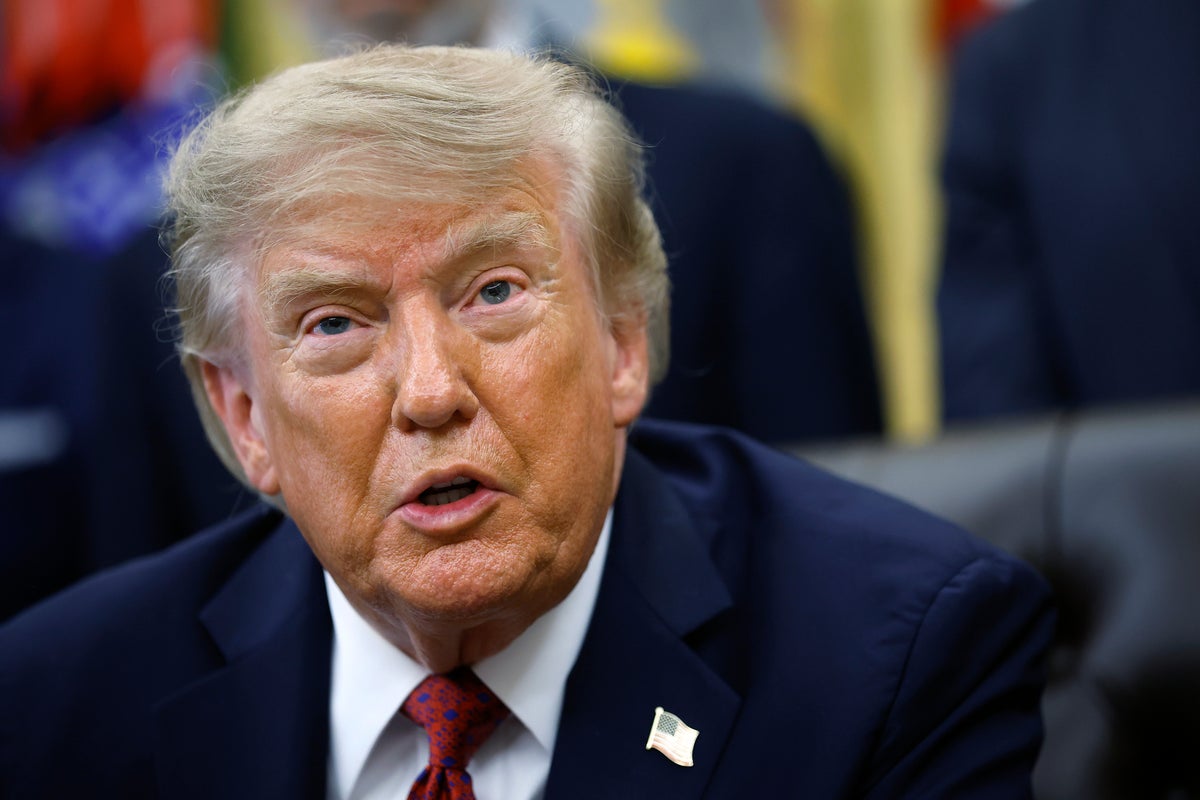
President Donald Trump responded with characteristic bluster, vowing on social media and in media appearances that the US response will hit Iran "hard". Yet beneath the public threats lies a grinding reality of military exhaustion, economic warfare, and strategic miscalculation that goes far beyond surface-level exchanges.
The Economics of Kinetic Lashing
Treasury Secretary Scott Bessent offered a revealing assessment of the renewed violence, arguing that Tehran is lashing out kinetically because it is losing economically. The administration's current strategy banks heavily on financial strangulation. By threatening secondary sanctions against any nation or entity trading with Iran, Washington aims to sever the regime's remaining financial lifelines.
Sweeping new financial measures are rolling out, designed to create an economic onslaught. But this strategy contains a glaring blind spot. Without total compliance from Beijing, financial embargoes against Tehran leak like a sieve. China remains the primary buyer of Iranian petroleum, keeping the state apparatus afloat despite severe Western pressure.
Iran's leadership understands this math. When the flow of oil through the Strait of Hormuz drops to a fraction of its pre-war volume, Tehran compensates by weaponizing the geography itself. Deploying sea mines or launching small-boat harassment campaigns costs very little compared to the billions of dollars in economic damage inflicted on global energy markets.
The Strain on American Force Posture
While political rhetoric in Washington focuses on punishing the regime, military commanders face a quieter, more acute crisis. The operational tempo in the Middle East has stretched American forces to their absolute breaking point.
More than 50,000 US troops stationed across the region have spent six months managing a grueling naval blockade and defending against incoming drone and missile threats. Interceptor missile stockpiles have plummeted. To bridge the gap, the Pentagon recently rushed to sign multi-year manufacturing agreements with major defense contractors to ramp up production, but factory lines take years to yield results, not weeks.
Personnel are absorbing the impact of this hardware deficit. Units like the Army's 82nd Airborne Division have seen their deployments extended to year-long rotations, straining military families and raising difficult questions about strategic overextension. Senior military leadership has warned the defense secretary that maintaining this hyper-aggressive operational pace weakens readiness for contingencies elsewhere in the world.
The Trap of Perpetual Escalation
The core tragedy of the current trajectory is the absence of a viable endgame. Total military victory over a decentralized, underground security apparatus is an illusion. Conversely, a negotiated settlement remains politically toxic for hardliners on both sides.
Iran's newly structured security leadership displays zero appetite for capitulation, viewing concessions as an invitation for further foreign intervention. Meanwhile, Washington is trapped by its own escalation ladder. Every time American forces strike minelaying infrastructure to protect commercial shipping lanes, they invite a ballistic missile response against regional allies, forcing a proportional counter-threat from the White House.
As commercial vessels continue to avoid the world's most critical energy chokepoint, the Middle East drifts further into a state of neither war nor peace. The next escalation is never more than a miscalculated missile launch away

