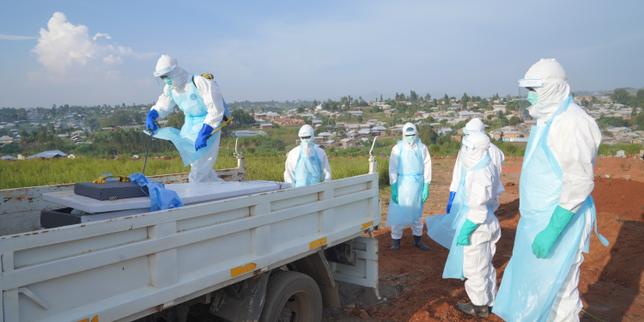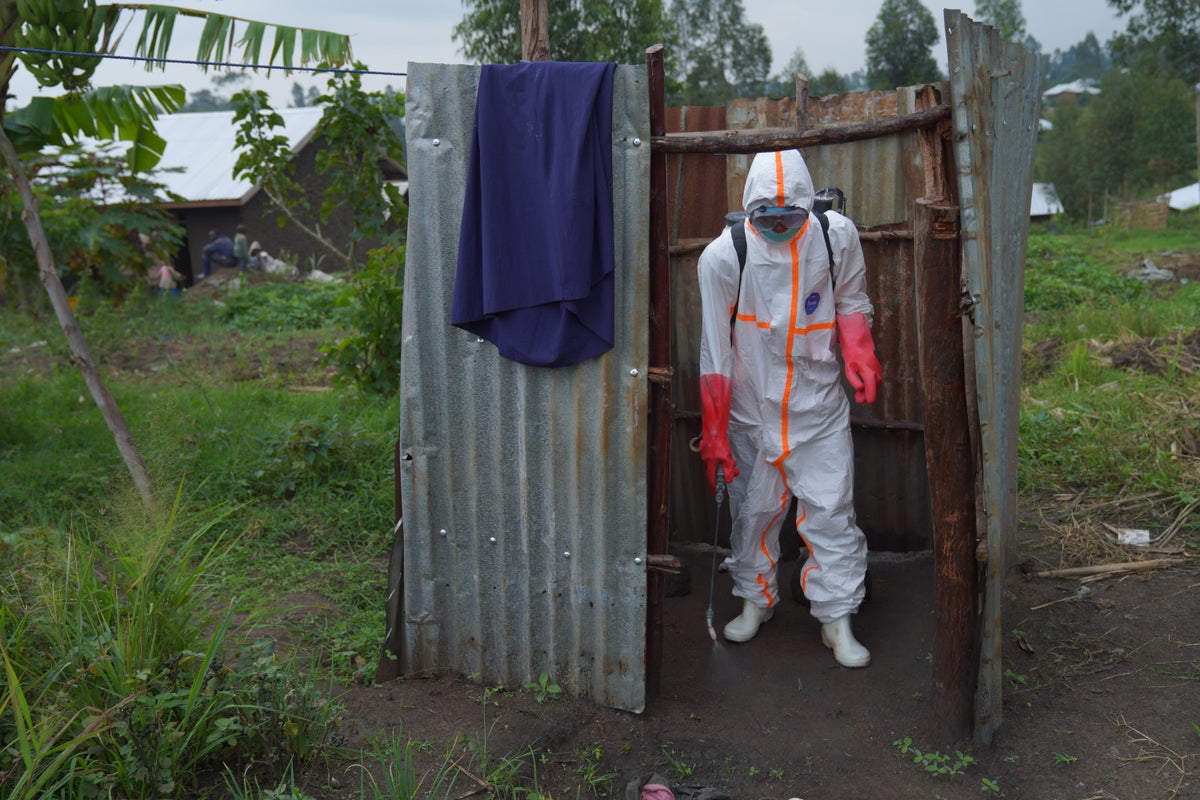
Sri Lanka is facing a devastating health emergency as dengue fever cases skyrocket past 44,480 infections and 28 recorded deaths so far this year. The numbers are staggering. Data from the National Dengue Control Unit shows that infections nearly doubled in a matter of weeks, shooting from 5,651 in April to more than 10,600 in the first half of June alone. While the raw data paints a grim picture, the real story lies beneath the surface. This is not just a standard seasonal spike. It is a compounding disaster driven by the destructive aftermath of Cyclone Ditwah, aggressive and unplanned urban growth, and a critical vulnerability within public institutions like schools and workplaces that standard household mosquito-spraying campaigns simply cannot fix.
Public hospitals are already bending under the weight of the influx. Health Minister Nalinda Jayatissa issued a stark warning that further increases will push the medical infrastructure to a dangerous breaking point. To understand why this is happening now, one must look at the environmental wreckage left behind late last year. Building on this idea, you can find more in: The Twenty First Year.
The Toxic Aftermath of Cyclone Ditwah
When Cyclone Ditwah battered the island nation in late November, it left behind far more than immediate structural damage. It created a sprawling, semi-permanent breeding ground for the Aedes aegypti and Aedes albopictus mosquitoes.
The storm left vast fields of debris, uprooted vegetation, and shattered infrastructure across all 25 districts. This debris acts like a massive collection of micro-reservoirs. Every uncollected plastic shard, blocked drainage channel, and crumpled tin roof became a perfect container for stagnant water. Entomological surveys conducted after the storm confirmed that mosquito breeding indices shot up immediately after the cyclone and stayed elevated for months, priming the country for the current explosion of cases. Analysts at Medical News Today have provided expertise on this matter.
The Myth of the Clean Backyard
For decades, public health messaging has focused almost entirely on the household. Citizens are told to clear their gutters, flip over empty coconut shells, and ensure their flower pots do not hold water.
While domestic cleanliness matters, recent entomological data reveals a glaring policy blind spot. The highest concentrations of mosquito larvae are not being found in private backyards. They are thriving in institutional environments.
Schools, government offices, industrial workplaces, and religious sites have emerged as the primary drivers of the 2026 surge. These semi-public spaces often lack a single, dedicated individual responsible for daily maintenance. A school courtyard might have dozens of forgotten plastic cups tucked behind a shed, or a government facility might feature a flat roof with poor drainage that remains uninspected for months. Because people spend their peak daylight hours in these locations—precisely when Aedes mosquitoes are most active at biting—institutions have become highly efficient transmission engines. Fogging residential neighborhoods while leaving schoolgrounds unmanaged is a losing strategy.
The Dangers of Urban Density and Shifting Immunity
The geographic distribution of the virus highlights how poorly managed urban growth acts as a force multiplier for disease. More than half of all reported cases are concentrated in the Western Province, with the commercial capital of Colombo logging 9,429 cases on its own.
Densely populated concrete corridors create a microclimate that shields mosquitoes from wind and traps humidity. When you pair this environment with high human density, a single infected mosquito can pass the virus to multiple individuals in a single afternoon. Colombo also serves as the country's central transportation hub. An infected worker traveling from Colombo to an outlying district can quickly introduce the virus to a new region, causing localized outbreaks to ignite nationwide.
The biological reality of the virus makes the situation even more precarious. Dengue is caused by four distinct viral strains, known as serotypes DENV-1, DENV-2, DENV-3, and DENV-4.
Getting sick with one strain gives you lifelong immunity to that specific strain only. If you are infected by a second, different strain later in life, a mechanism called antibody-dependent enhancement can occur. Instead of neutralizing the virus, your existing antibodies accidentally help the new strain enter your immune cells more easily. This drastically increases the risk of developing severe dengue, which causes internal bleeding and circulatory failure. Because Sri Lanka has seen major shifts in its dominant strains during past surges, a large portion of the adult population is carrying antibodies that make a second infection incredibly dangerous. Notably, five of the 28 victims this year were children, a heartbreaking reminder that younger populations lack immunity altogether.
Rethinking the National Strategy
The current approach to controlling dengue in Sri Lanka is fundamentally reactive, relying on emergency hospital capacity and localized spraying after people are already sick. A meaningful shift requires moving away from temporary crisis management toward permanent environmental infrastructure.
First, municipal councils must treat debris removal and drainage maintenance as critical public health infrastructure, not just cosmetic urban cleanup. The months-long delay in clearing post-cyclone wreckage directly fueled this crisis. Second, accountability must be legally mandated for institutional properties. Public sector buildings, private workplaces, and schools must face strict penalties if independent entomological teams discover active breeding sites on their premises.
Finally, relying solely on public awareness campaigns is insufficient. Until urban planning regulations strictly enforce proper drainage designs for new concrete developments, and until semi-public spaces are held to the same sanitation standards as private homes, Sri Lanka will remain caught in a brutal cycle of predictable, preventable disasters.