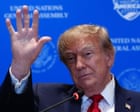
When Donald Trump stepped to the podium at the United Nations General Assembly, he delivered a characteristic display of diplomatic whiplash. Hours after threatening the Iranian state with swift destruction, the American president casually disclosed that a high-stakes, three-hour clandestine meeting had already taken place between Washington and Tehran on the margins of the summit.
The revelation caught international observers flat-footed. For months, the diplomatic theater had been defined by escalating military exchanges, blocked maritime corridors, and an unyielding economic embargo that brought global energy markets to the brink. Yet behind the hardened public postures, a quiet channel spearheaded by US special envoy Steve Witkoff and Iranian counterparts had quietly materialized. This unexpected encounter exposes a deeper reality about modern statecraft. Public bluster remains the weapon of choice for domestic consumption, while clandestine backchannels do the gritty, unglamorous work of survival.
To understand why these talks happened, one must examine the severe economic gravity pulling both nations toward the table. The ongoing conflict in the Persian Gulf had choked vital trade lanes, most notably the Strait of Hormuz. Energy prices spiked globally, stoking inflation and threatening growth across Western economies. Tehran, meanwhile, faced staggering economic isolation under tightened sanctions and military attrition that crippled key state infrastructure. Neither side could afford an indefinite war of attrition without inviting catastrophic domestic blowback.
The structure of these negotiations departed sharply from past diplomatic templates. Conspicuously absent from the room were traditional European intermediaries. Past iterations of engagement often relied heavily on continental powers to carry messages back and forth. This time, Washington preferred a direct, transactional approach. Envoy Steve Witkoff operated with a mandate that bypassed multilateral bureaucracy. Tehran responded through channels designed to minimize leaks while testing whether Washington possessed a genuine appetite for sanctions relief or merely sought unconditional surrender.
Iranian officials entered the New York discussions with a precise objective. Tehran wanted tangible pathways to ease the punishing blockade and reopen critical maritime arteries. For months, state media had broadcast defiant warnings, but economic reality demanded pragmatism. The leadership in Tehran understood that survival required finding a modus vivendi with an unpredictable American administration.
The friction points, however, remain formidable. Washington continues to demand complete rollbacks of nuclear enrichment capabilities, a red line that previous Iranian administrations spent decades defending. Tehran, scarred by past American withdrawals from international accords, insists on ironclad structural guarantees that any future agreement cannot be casually discarded by a succeeding administration. Bridging this chasm requires an extraordinary degree of diplomatic maneuvering.
Regional actors watched these developments with mounting alarm. Governments across the Middle East possess a direct stake in any outcome that shifts the regional balance of power. Allies like Israel viewed the sudden thaw with profound skepticism, fearing that Washington might strike a premature grand bargain that leaves core security threats unaddressed. Intelligence services across the region spent the days following the announcement frantically trying to piece together the exact parameters discussed behind closed doors.
The domestic political calendar in Washington casts a long shadow over these proceedings. Foreign policy victories serve as powerful currency, and political strategists eye the upcoming midterm elections with intense focus. A negotiated settlement that stabilizes energy markets and curtails a costly foreign entanglements offers significant political upside. Yet the political cost of a failed deal—or a sudden escalation that spikes gas prices at home—carries severe electoral risks. This tension forces the administration to walk a narrow tightrope between projecting strength and seeking an exit ramp.
The mechanics of enforcing any prospective accord present another layer of complexity. Verification remains the perennial ghost haunting every major international agreement. Trust is entirely absent from the equation. If an accord takes shape, monitoring mechanisms must be robust enough to detect violations before they metastasize into open conflict. Past failures in inspection protocols loom large in the memory of military planners on both sides.
As the dust settles on the UN summit, the diplomatic landscape remains deeply fractured. The three-hour session in New York did not produce an instant peace treaty. It opened a narrow door in a wall that had seemed impenetrable. Whether that door swings wide open or slams shut depends on decisions made in dark rooms far from public view. The underlying hostilities have not vanished. The warships still patrol the gulf. The rhetoric remains loaded with historic grievances. Yet the sheer weight of economic necessity and the terror of miscalculation have forced two adversaries back into conversation. The next move belongs to those willing to risk political capital for an uncertain peace.