For decades, oncology professionals viewed the KRAS protein family with a grim mix of fascination and absolute defeat. Often labeled the undruggable engine of tumor growth, these mutated genes drive more than ninety percent of pancreatic ductal adenocarcinoma cases, acting as an unyielding biological switch that forces cells to multiply out of control. Decades of heavy research investment evaporated against the smooth, featureless surface of the protein, leaving scientists with nothing physical for standard therapeutics to latch onto.
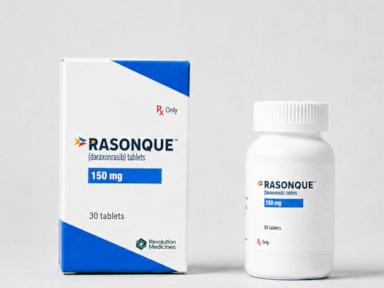
The Food and Drug Administration has officially approved Rasonque, known generically as daraxonrasib, marking a profound turning point for patients facing advanced metastatic pancreatic cancer. Developed by Revolution Medicines, this first-in-class daily pill achieved what previous generations of medicine could not. Clinical data demonstrated that the targeted therapy nearly doubled median overall survival rates, shifting the benchmark from roughly 6.7 months on traditional chemotherapy to 13.2 months.
The medical community responded with rare, standing-ovation enthusiasm at recent scientific assemblies, recognizing that the clinical data alters a bleak status quo. Yet behind the applause lies a harsher clinical reality. This medication is not a cure. It is an extraordinary extension of time, but the underlying biology of pancreatic tumors eventually finds a way around even the most sophisticated molecular blockades.
The Mechanics of Molecular Glue
To understand why this approval matters, one must look at how the drug bypasses structural roadblocks that stopped older generations of pharmacology. Traditional small-molecule inhibitors failed because they required a specific pocket on a protein surface to dock into. The mutated RAS variants found in pancreatic malignancies lacked these pockets entirely.
Daraxonrasib bypasses this limitation through an innovative mechanism often described as molecular glue. Instead of attempting to bind directly to the unyielding target, the drug first attaches itself to a specific helper protein inside the cellular cytoplasm. This pairing forms an artificial composite surface that can lock directly onto the active RAS protein, effectively neutralizing its ability to transmit signals for uncontrolled cellular proliferation.
This multi-pronged binding capability means the drug can intercept several common RAS mutation subtypes rather than just one narrowly defined variant. That broad reach distinguishes it from earlier targeted treatments that worked only for a tiny fraction of patients whose tumors carried a rare, highly specific genetic permutation.
Weighing Toxicity Against Quality of Life
In the arena of late-stage cancer treatment, extending life is only half the battle. Preserving functional capacity matters just as much. Standard multi-agent chemotherapy regimens routinely batter the patient's system, killing rapidly dividing healthy cells alongside cancerous ones and forcing high rates of discontinuation due to unmanageable toxicities.
The pivotal Phase 3 trial paints a starkly different picture regarding tolerability. While patients taking daraxonrasib still experienced side effects—predominantly skin rashes, mouth sores, and digestive disruptions—significantly fewer participants chose to abandon the therapy compared to those on standard chemotherapy arms. Data indicated that patients maintained stable functional status and delayed the onset of severe cancer-related pain for months longer than historical cohorts.
However, medical teams emphasize that managing these side effects requires active clinical vigilance. The drug is better tolerated, but it is far from benign. Physicians must monitor dermatological and gastrointestinal symptoms closely to prevent toxicities from forcing an interruption in dosing, which can allow aggressive tumors to resume their advance.
The Economic and Access Pressure Points
With breakthrough medical status comes severe logistical friction. Revolution Medicines priced the monthly supply of the daily oral therapy at approximately thirty-nine thousand dollars, setting the stage for intense negotiations with commercial insurers, Medicare administrators, and hospital pharmacy boards. This financial reality threatens to create tiered access where rapid deployment depends heavily on geographical location and insurance tier.
Long before the formal regulatory greenlight, public demand surged dramatically after high-profile figures, including former U.S. Senator Ben Sasse, shared their experiences with the experimental treatment through expanded access programs. That intense public pressure forced regulatory bodies to utilize expedited review channels and priority voucher pilots, compressing a standard review cycle into a fraction of its normal duration.
Despite these accelerated pathways, treating oncologists note that supply chain stabilization and comprehensive biomarker testing will dictate how quickly community cancer centers can integrate the pill into daily practice. Every patient must undergo precise genomic profiling to confirm the presence of targetable RAS alterations before a prescription can be written safely and effectively.
Clinical trials are already underway to evaluate whether moving this therapy into earlier lines of treatment—or combining it with emerging immunotherapies—can stretch survival curves even further, transforming a terminal diagnosis into a manageable chronic condition.