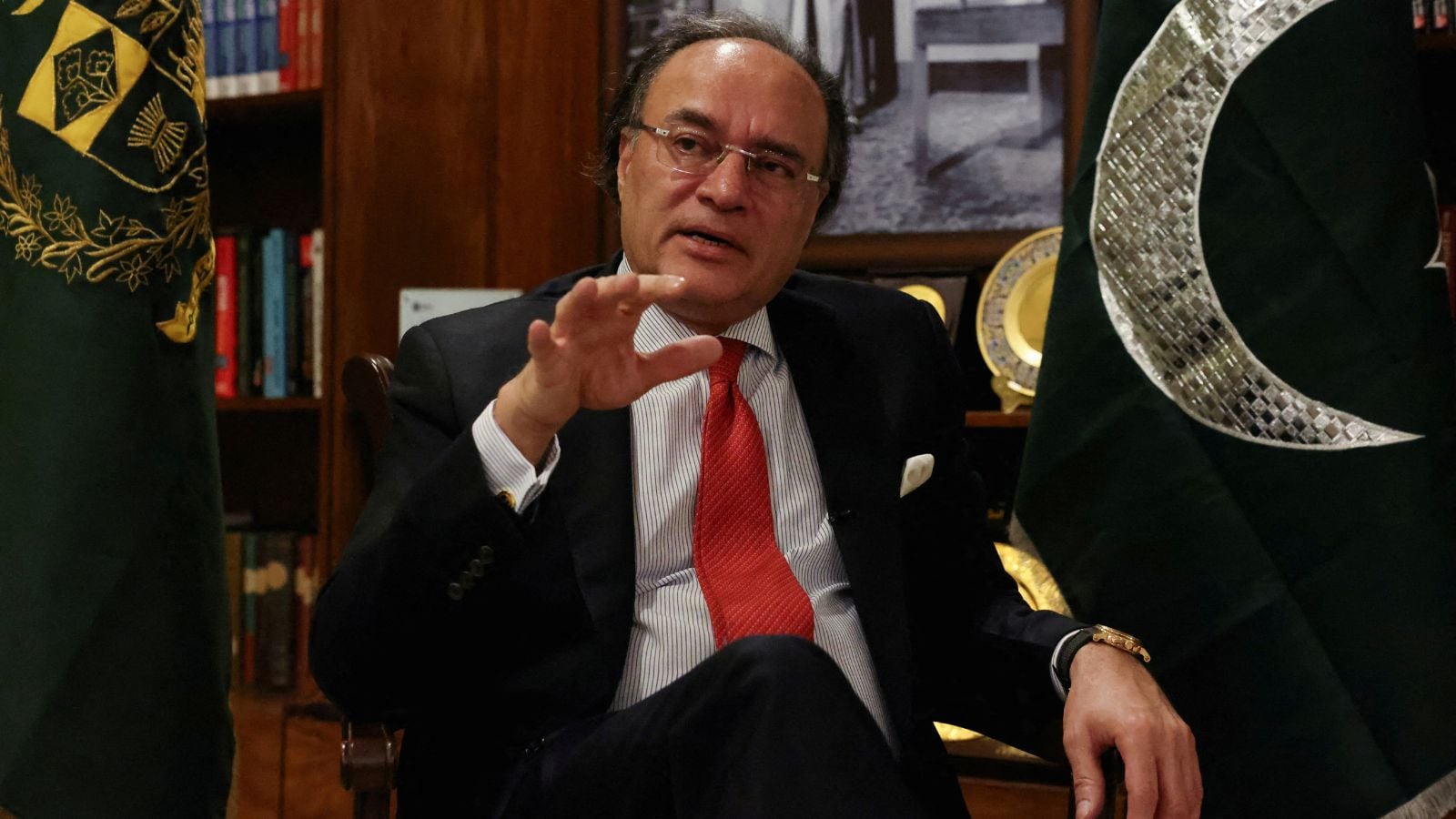
Pakistan has officially petitioned the United States Treasury Department for a staggering ten billion dollar exchange stabilization facility, a calculated financial maneuver designed to secure external payment buffers and restore faith in the battered Pakistani rupee.
Islamabad is tired of living on life support. For decades, the financial architecture of the South Asian state has depended on emergency bailouts from the International Monetary Fund alongside rolling short-term debt deposits from bilateral partners like China, Saudi Arabia, and the United Arab Emirates. Finance Minister Muhammad Aurangzeb stepped up to Washington desks with a different proposal. Rather than asking for a traditional high-interest loan or a conventional credit line, Islamabad wants a strategic backstop modeled after rare currency support instruments. You might also find this connected story interesting: Why the Evergrande Life Sentence Changes Everything You Thought You Knew About China Property.
The Anatomy of the Ten Billion Dollar Request
What exactly does an exchange stabilization facility mean in practical terms? Unlike direct budgetary assistance that vanishes into current account deficits, this specific mechanism acts as a psychological and monetary anchor. It sits in the background, signaling to international capital markets that the local currency enjoys powerful backing against speculative shocks.
The timing is far from accidental. Pakistan recently navigated a narrow escape from sovereign default, leaning on a multi-billion dollar program with the International Monetary Fund while wrestling with external debt maturities that drain state coffers. Gross foreign exchange reserves held by the central bank hover around twenty-three billion dollars, a meager cushion for an import-dependent nation carrying immense external debt obligations. As highlighted in detailed coverage by CNBC, the implications are notable.
Washington holds the keys to the United States Treasury's Exchange Stabilization Fund, a pool historically deployed to manage foreign exchange crises or support allied economies under acute pressure. Securing a multi-year maturity facility from this pool would fundamentally alter Islamabad's credit standing. It allows economic managers to pivot away from the exhausting cycle of begging for monthly debt rollovers from friendly capitals.
The Geopolitical Undercurrent
Financial diplomacy rarely happens in a vacuum. This ambitious outreach to Washington follows a noticeable shift in diplomatic positioning. Islamabad recently facilitated delicate regional talks concerning neighboring conflicts, elevating its utility in Western strategic calculations.
For years, the bilateral relationship drifted into transactional security cooperation or cold indifference as Washington pivoted toward other regional priorities. Now, economic statecraft has taken center stage. American officials are weighing the request against a backdrop of competing global influence. Allowing a nuclear-armed state of over two hundred million people to drift toward systemic economic collapse serves no Western interest. Yet, handing out a ten-billion-dollar backstop requires navigating heavy domestic skepticism within American legislative channels.
At the same time, Islamabad is pushing to attract American private capital into domestic sectors like mining, specifically targeting assets such as the massive Reko Diq copper and gold deposits. The currency stabilization bid is the foundation upon which these commercial ambitions must rest. Foreign investors refuse to commit long-term capital if they fear repatriating dividends through a collapsing currency exchange mechanism.
The Structural Reality Behind the Numbers
Skeptics point out that external cushions do nothing to fix domestic structural cancers. Tax collection remains chronically weak, with the documented tax-to-GDP ratio lingering near eleven percent. Elite capture of economic policy, massive state-owned enterprise losses, and chronic energy sector circular debt continue to bleed fiscal health dry.
A ten-billion-dollar facility is a shock absorber, not an engine. If Islamabad treats this potential windfall as permission to delay deep structural tax reforms and energy privatization, the temporary relief will evaporate the moment the facility expires. Finance Minister Aurangzeb understands this vulnerability, repeatedly stressing that the objective is to regain independent market access rather than perpetuate dependency. Credit rating agencies have kept the sovereign at distressed levels for decades, reflecting a deep-seated lack of structural predictability.
Whether the United States Treasury grants the full request or offers a scaled-down version, the move exposes the desperate limits of conventional bailout economics. The coming months will determine if Washington views Islamabad's currency stabilization gamble as a bridge toward sustainable reform or just another expensive band-aid on a fractured balance sheet.
For a deeper dive into the economic challenges and policy debates surrounding this financial move, watch this analysis on Pakistan economic crisis.
http://googleusercontent.com/youtube_content/1
:max_bytes(150000):strip_icc():focal(749x0:751x2)/chrissy-teigen-wren-split-071723-6256dab1033241bca6a15fdcd0f5c26a.jpg)

