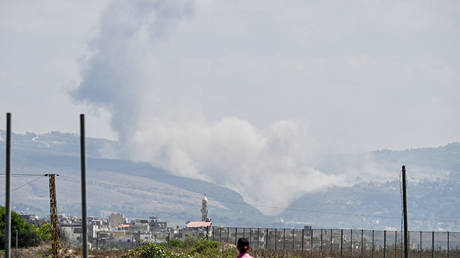
When the glacial wall collapsed along the Nepal-Tibet border, the resulting wall of water, mud, and debris did not merely destroy infrastructure; it exposed the fatal vulnerabilities of modern Himalayan development. With the death toll climbing toward seven hundred and thousands remaining missing across districts like Rasuwa and Nuwakot, rescue operations are hitting structural walls far more impenetrable than mountain gorges. The immediate narrative fixates on adverse weather grounding helicopters. That explanation offers convenient cover for decades of unchecked construction in high-risk river corridors, ignored early-warning metrics, and an emergency response framework ill-equipped for multi-hazard cascading events.
To understand why recovery efforts are faltering, one must look beyond the immediate mud-choked valleys and examine the systemic failures governing disaster management in high-altitude zones.
The Anatomy of a High-Altitude Catastrophe
Standard meteorological models treat monsoons and glacial lake outbursts as separate anomalies. They are not. On August 26, a lower section of a glacier sheared off near the border, sending a massive hydraulic shockwave down the Bhotekoshi and Trishuli river basins. This was an abrupt mechanical failure of frozen terrain under thermal stress.
The water did not simply rise; it arrived as a dense, viscous slurry containing boulders, uprooted timber, and structural detritus. Hydroelectric installations, positioned deep within narrow gorges for optimal gravity-fed energy production, became death traps. More than one hundred workers found themselves sealed inside concrete tunnels as slide material choked off the exits.
When rescue coordinators talk about blocked roads, they understate the physical reality. Bridges have been cleanly sheared off their foundations, slicing major arterial routes into isolated islands. Helicopters belonging to the Nepali Army can manage a finite rotation of trips per hour, but each machine fights downdrafts, narrow canyon walls, and unpredictable mountain winds while carrying payloads measured in handfuls of survivors.
Why Traditional Relief Protocols Are Failing
Disaster response in Nepal relies heavily on manual extraction and basic air support. That playbook works for localized landslides or moderate river swells. It collapses entirely when facing a transboundary catastrophe that wipes out digital networks, hydro-grids, and surface logistics simultaneously.
Foreign assistance has arrived, including specialized Indian tunnel-rescue teams and Chinese technical units. Yet coordination bottlenecks persist. Specialized equipment like thermal life-detection sensors, DNA identification kits, and high-capacity industrial pumps take precious days to clear customs, transport via broken roads, and deploy to remote fissure sites.
Furthermore, secondary hazards routinely interrupt operations. The formation of a massive barrier lake upstream triggered immediate evacuation alerts for rescue personnel themselves. When the people sent to save lives are forced to run from secondary inundation threats, the entire operation stalls. Security forces must balance active search patterns with frantic retreats every time monitoring stations register upstream pooling.
The Human Cost Hidden in the Paper Lists
Outside military camps in Nuwakot, the institutional response translates into stark, analog reality. Authorities tape handwritten and printed sheets of names to brick walls. Families crowd these makeshift notice boards, fingers tracing lines of text to find missing relatives, migrant workers, or foreign trekkers.
The psychological toll compounds the physical danger. Clean water infrastructure is offline, raising the specter of waterborne disease outbreaks among displaced populations crowded into temporary shelters. International agencies like UNICEF and the World Health Organization are rushing emergency health kits and water purification supplies into the districts, but distribution remains spotty because trucks cannot navigate terrain where roads no longer exist.
People managing chronic illnesses, pregnant women requiring urgent clinical care, and infants exposed to damp night air find themselves entirely cut off from the capital's medical infrastructure. The emergency medical teams deployed from facilities like Dhulikhel Hospital carry what they can pack on their backs, treating trauma and hypothermia in schoolyards converted into triage stations.
The Uncomfortable Truth About Himalayan Infrastructure
The current crisis highlights a dangerous mismatch between engineering ambitions and geological realities. Hydropower development across the Himalayas has accelerated over the past twenty years, often built directly into narrow, active tectonic corridors without adequate hazard buffers for glacial lake outburst floods.
When permits are issued, environmental impact assessments routinely downplay the risk of cascading cryosphere disasters. Developers bank on statistical averages that no longer apply in a rapidly warming climate. The results are visible today in Rasuwa and Nuwakot, where multi-million-dollar energy projects have been transformed into concrete tombs buried under five feet of dense silt.
Until regional governments mandate strict setbacks for riverbank construction, invest in real-time acoustic sensors for glacial melt, and integrate transboundary water-sharing telemetry with China, rescue efforts will remain reactive bandages applied to systemic wounds. Every monsoon season will continue to test a fragile relief apparatus to its breaking point, leaving communities to sort through the mud while official tallies climb.