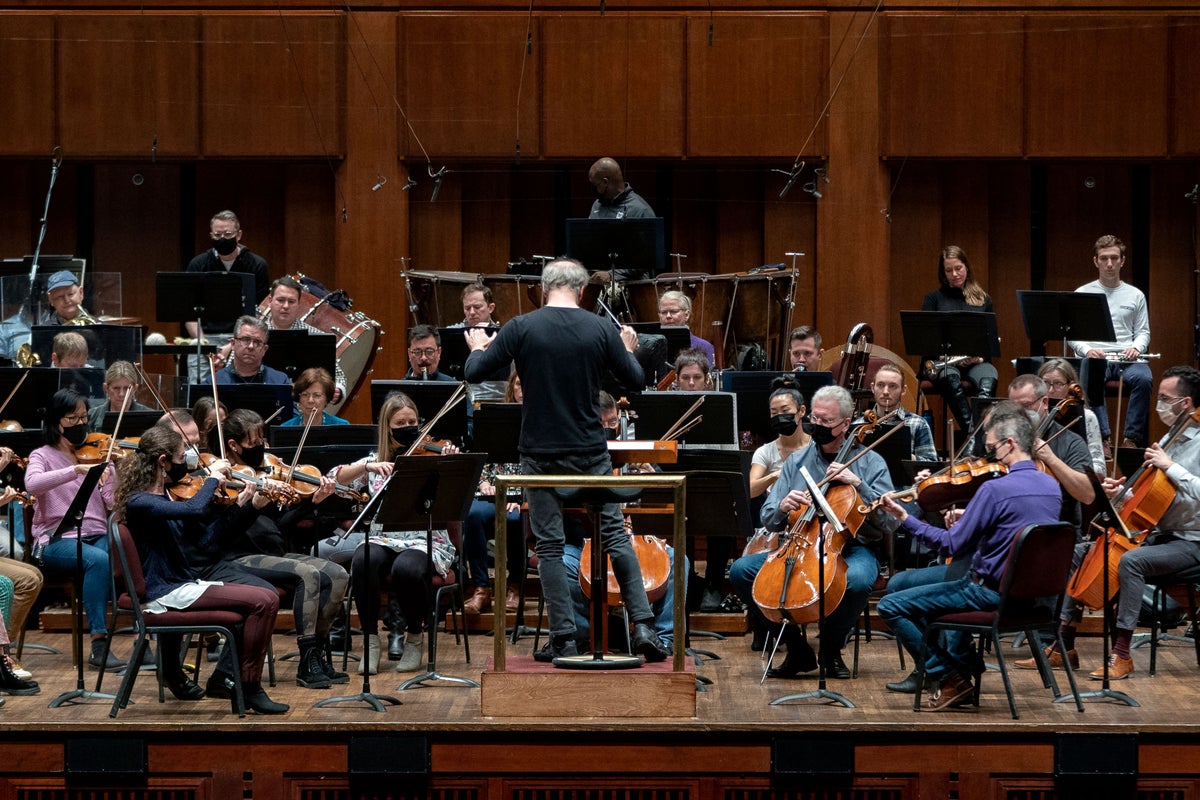
The National Symphony Orchestra (NSO) is facing an existential financial crisis, suffocated by plunging ticket sales, a 25 percent drop in annual donations, and the administrative chaos following the presidential takeover of the Kennedy Center. Classical concerts are drawing a meager 41 percent capacity, organizational leadership has hollowed out through high-profile resignations, and the institution's future remains deeply uncertain as legal battles continue to entangle its physical home.
To understand how a cultural anchor of the American capital arrived at the edge of insolvency, you have to look past the superficial headlines and examine the mechanical destruction of nonprofit architecture.
The Anatomy of a Managed Demolition
When a political administration decides to re-engineer a cultural landmark, it rarely begins with a wrecking ball. It begins with governance disruption.
Last year, the friction at the Kennedy Center shifted from theatrical debates to raw structural power. The installation of political loyalists to the board, an abrupt push to rebrand the facility, and threats of sweeping multi-year closures sent immediate shockwaves through the donor ecosystem. Major contributors do not give discretionary capital to environments characterized by volatility and ideological litmus tests.
Artistic Advisor Ben Folds resigned. Executive Director Jean Davidson followed.
Institutional memory walked out the door in a matter of weeks. Without experienced administrators at the helm to manage complex donor relations, endowments begin to dry up. The NSO found itself caught in the crossfire, stripped of the administrative shield that protects performing arts organizations from the raw whims of political opportunism.
The Economics of an Empty Hall
Symphonic music is a high-overhead, low-margin operation. A world-class orchestra requires dozens of highly specialized professional musicians, extensive rehearsal schedules, and an acoustically optimized venue. Ticket sales traditionally cover only a fraction of these operational costs—typically around 30 to 40 percent for major orchestras. The remainder relies entirely on contributed income, corporate underwriting, and endowment draws.
When public confidence evaporates, the math breaks down with terrifying speed.
If donations drop by a quarter and ticket capacity craters to 41 percent, the structural deficit widens beyond the reach of standard emergency reserves. Orchestras cannot simply downsize their way to profitability without compromising the artistic quality that defines them. Reducing a string section or cutting rehearsal weeks destroys the very product patrons are asked to support.
Worse still, the protracted legal fights over building access and signage have left the NSO without a stable performance calendar. Patrons cannot buy subscriptions for a venue whose operational status shifts with every ruling from the federal courts.
The Cost of Political Patronage
The defense offered by political appointees installed at the Kennedy Center relies on a fundamental misrepresentation of arts financing. Leadership has frequently argued that cultural institutions must be run like commercial businesses, implying that previous management simply failed basic economic logic.
This argument is an inversion of reality.
Nonprofit performing arts centers are public trusts, not profit-maximizing corporations. They require long-term stability, political neutrality, and deep community trust to survive. Treating a national orchestra like a political prop guarantees a swift erosion of the philanthropic base required to keep its doors open.
When the courts ultimately blocked unauthorized rebrandings and ordered the center to cover legal fees for sidelined artists, it highlighted a deeper truth. The crisis was not born from an accidental market downturn. It was manufactured by leadership styles hostile to the collaborative, delicate nature of classical institutions.
The musicians of the National Symphony Orchestra are left playing to half-empty rooms, waiting on budgets that arrive months late, while the institution that housed their art fights for its life in civil courts.