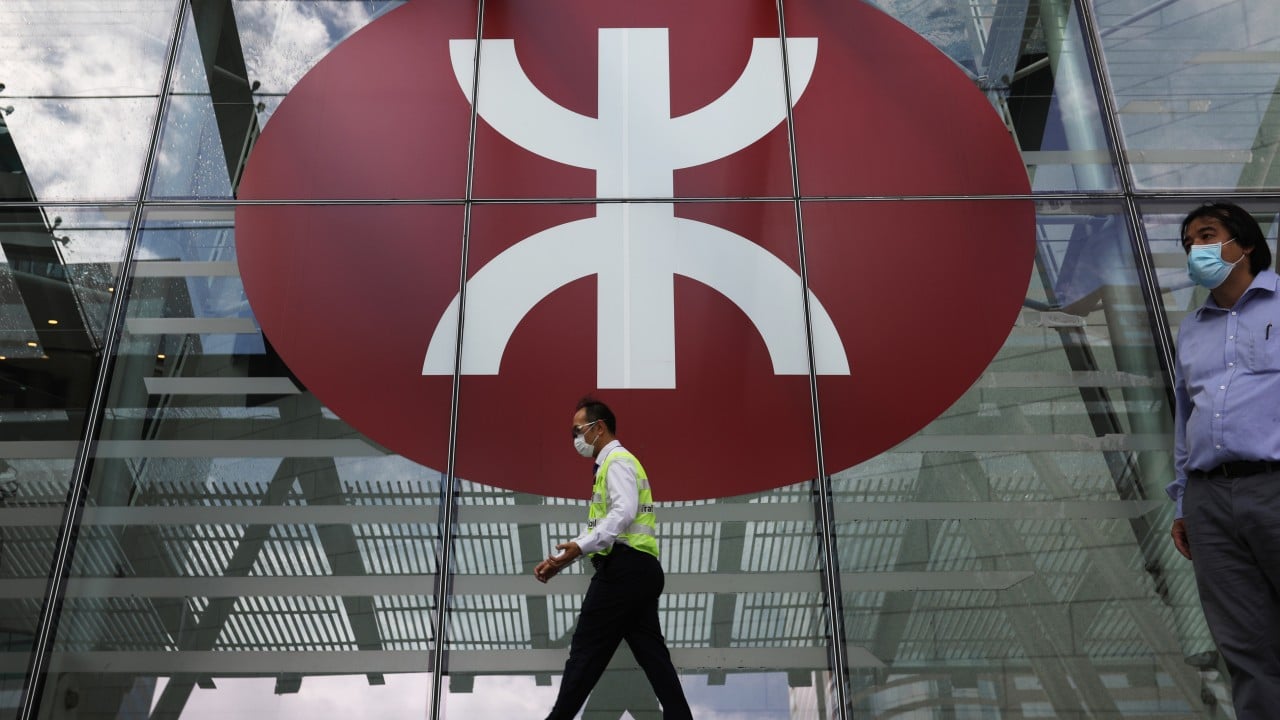
On October 24, millions of Hong Kong commuters enjoyed a half-price discount across the MTR heavy rail network, Light Rail, and local feeder buses. Headlines cheered the MTR Corporation's generosity. Corporate public relations teams framed the promotion as a heartfelt gesture of gratitude toward a loyal riding public.
Strip away the marketing veneer, and a very different picture emerges. This financial relief is not a gift born of corporate benevolence. It is a mandatory penalty payment.
The mechanics behind the discount reveal a system built on administrative accountability rather than goodwill. Under the government-mandated Fare Adjustment Mechanism, the rail operator accumulates funds into a designated "Service Performance Rebate" account whenever reportable train delays occur. Once that pool hits a pre-defined threshold driven by operational hiccups, signal faults, and service disruptions, the corporation must dispense the money back to the public. They do this by scheduling a promotional half-price day.
The public relations machinery labels these events as days of thanks. Commuters experience them as sporadic windfalls. In reality, they serve as a public accounting of the network's operational failures over the preceding months. Every half-fare ride represents an apology written in lost revenue, funded directly by the very service interruptions that frustrated passengers earlier in the year.
The fine print governing these discount days introduces further friction. On October 24, travelers utilizing their Octopus cards or approved QR code ticketing systems found automated savings on most routes. Yet, standard exceptions excluded key links such as the Airport Express and the First Class cabins on the East Rail Line. Passengers tapping contactless bank cards discovered they did not qualify for the promotion at all, exposing a rigid technological divide in how fare structures are processed.
These exclusions underscore a commercial reality. The operator protects its high-yield revenue streams even while redistributing penalties collected from core commuter lines. Cross-boundary journeys to Lo Wu and Lok Ma Chau were included, offering genuine relief for cross-border travelers and shoppers, but the intricate web of conditions turned a simple discount into a compliance test.
Transport analysts have long criticized the Fare Adjustment Mechanism for masking structural pricing issues behind periodic PR events. A single day of discounted travel does little to offset the broader burden of daily transit costs in one of the world's most expensive urban environments. When fares climb steadily year after year through formulaic adjustments, a lone half-price Saturday functions more like a pressure valve for public discontent than a meaningful economic adjustment.
The corporation deploys additional frontline staff and adjusts train frequencies upward to manage the surge in volume on these promotional dates. Station platforms swell with casual travelers taking advantage of the markdown, transforming routine commutes into crowded bottlenecks. Passengers who rely on the network for essential weekend work find themselves navigating packed trains pushed to their operational limits.
Understanding these discount days requires looking past the celebratory announcements. The next time the network promotes a large-scale rebate event, look past the slogans of community appreciation. Follow the administrative trail back to the delay logs and the regulatory penalties that forced the ledger to balance.
The discounts are real, but they are earned through system failures. Commuters are simply collecting a refund on the delays they already endured.