The warning from Tehran did not arrive in an encrypted cable or through a backchannel diplomatic courier. It came via state-controlled broadcast, dripping with threats of asymmetric retaliation following a clandestine maritime interception in the eastern basin. Twenty-four hours later, the Greek military did what ministries of defense rarely do with such public haste. They moved.
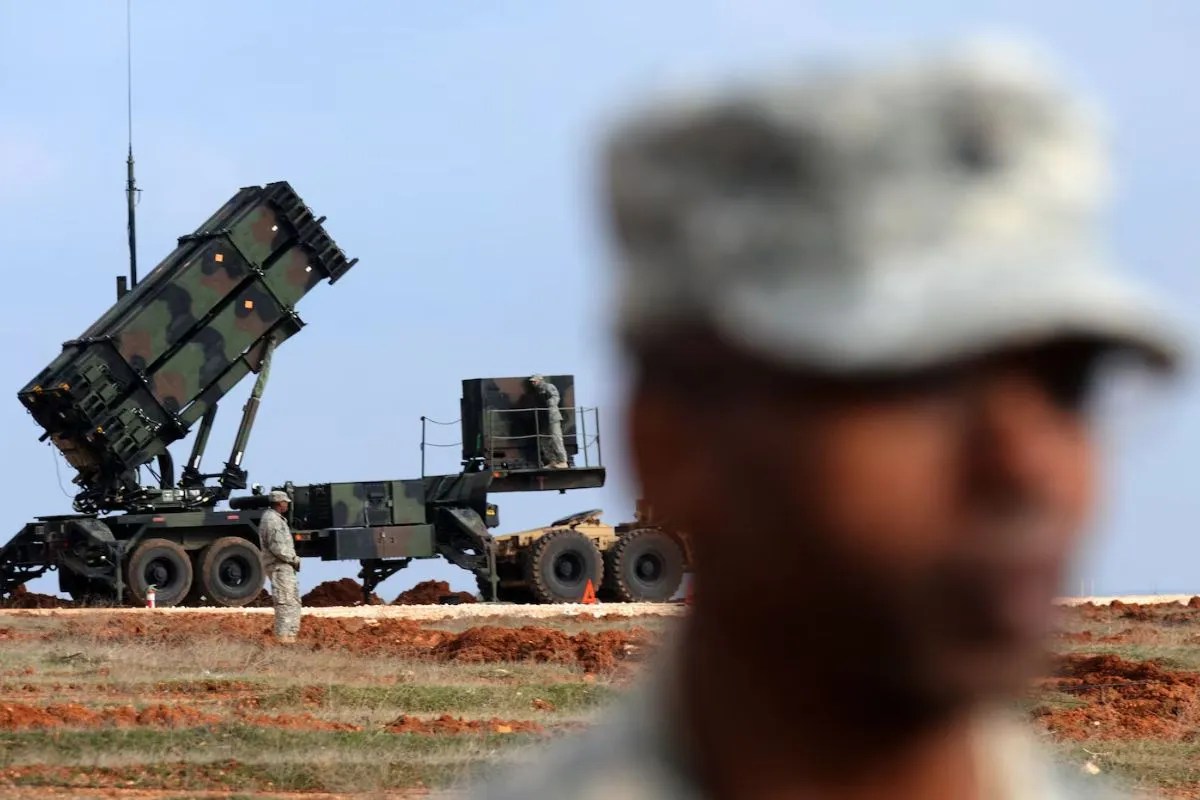
Convoys of heavy-lift flatbeds rolled under the cover of darkness toward the rugged interior of Crete, carrying components of the American-made Patriot air defense system. The official statements spoke of routine operational readiness and alliance commitments. The reality on the ground was far more frantic.
For years, the geopolitical fault lines of the Eastern Mediterranean have been treated as a slow-burning diplomatic dispute over hydrocarbon reserves, maritime boundaries, and divided islands. That luxury of time has vanished. When a regional powerhouse signals its intention to project kinetic power outward, secondary strategic nodes like the island of Crete instantly transition from quiet tourist havens to front-line bastions.
The Geography of Vulnerability
Crete is not just an island. It is the geographic cork in the bottle of the Eastern Mediterranean. Whichever military controls the airspace over Souda Bay dictates the tactical survival of every naval asset operating between the Peloponnese and the Levant.
Yet, the deployment of sophisticated intercept batteries to the island highlights a glaring structural weakness in European air defense. The continent has spent decades relying on an assumed umbrella of security, outsourcing its strategic depth to expeditionary allies while hollowing out localized anti-ballistic infrastructure. When a threat materializes with zero warning, European capitals discover they are playing catch-up with hardware that takes months to integrate, let alone master.
The Patriot system is formidable, but it is not a magic shield. It requires dense radar networks, uninterrupted power grids, and a high degree of digital coordination with existing naval assets patrolling the Aegean. Dropping a battery onto a limestone plateau does not secure the airspace. It merely establishes a stationary target that demands an entire logistics train just to keep its generators humming.
The Illusion of Deterrence
Deterrence only works if the adversary believes you possess both the capability and the political will to pull the trigger. Herein lies the quiet terror haunting European defense planners.
Tehran does not need to launch a direct ballistic strike against Greek soil to achieve its strategic objectives. The mere threat of a saturated drone swarm or cruise missile salvo is enough to paralyze regional commercial shipping, spike global insurance premiums for tankers transiting the Suez Canal, and force Athens into a defensive crouch.
When a nation is forced to redeploy strategic assets in response to a verbal threat issued twenty-four hours prior, the initiative has already been surrendered. The defensive posture becomes permanent, bleeding resources from a national budget that can ill afford a protracted state of high alert.
Military analysts often talk about defense in depth, but Europe is currently practicing defense in panic. Every missile battery moved to an exposed southern island is a symptom of a deeper malaise, a recognition that the multilateral security architecture designed after the Cold War is buckling under the weight of modern multi-vector warfare.
The Ripple Effect Across the Aegean
Athens cannot view this escalation in a vacuum. Ankara watches every movement on Crete with hawk-like suspicion, interpreting every defensive battery as an offensive provocation aimed at shifting the precarious balance of power in the Aegean Sea.
This creates a dangerous multi-tiered standoff. Greece is preparing for a hypothetical strike from the Middle East while simultaneously managing a historic, ice-cold rivalry with a NATO neighbor that controls the straits to its north. If the air defense network on Crete goes live and active, electronic warfare signatures will bleed across regional frequencies, blinding intelligence-gathering assets and raising the risk of accidental escalation between nominal allies.
The crisis unfolding on this Mediterranean island is a stark reminder of how thin the veneer of modern stability actually is. It takes years to build a functioning deterrent architecture, and only twenty-four hours of rhetoric to render it obsolete.
The missiles are in place. The radars are spinning. And the politicians in Athens are left hoping that the deterrent holds, because the alternative is a war nobody planned for, fought with equipment that arrived just in time to watch the horizon.