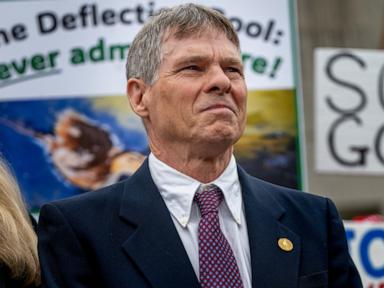
A federal judge has permanently dismissed the criminal vandalism case against former U.S. Olympian David Hearn, effectively closing a bizarre chapter where a botched federal renovation project was blamed on malicious citizens. The ruling, which dismissed the indictment with prejudice, ensures that the Department of Justice cannot revive the prosecution under political pressure.
The controversy began when a high-profile multi-million dollar makeover of the Lincoln Memorial Reflecting Pool ran into immediate structural failures. Rather than admitting that the newly applied liners and sealants were peeling and buckling due to installation errors and aggressive chemical treatments, federal officials pointed fingers outward. They claimed that criminal vandalism was responsible for the structural decay. You might also find this related story useful: The Broken Shield And The Midnight Handshake.
Enter David Hearn. A former Olympic canoe racer, Hearn had stopped by the national monument during a long-distance bike ride. Spotting a piece of loose, rubbery sealant peeling away from the pool's edge, he reached down out of sheer curiosity to touch it. A park worker told him to let go, and he complied immediately. That brief, harmless touch transformed an ordinary citizen into the federal government's prime scapegoat.
Within weeks, prosecutors pushed a grand jury to return a felony indictment against Hearn for destruction of government property. The case was championed at a high-level press conference by U.S. Attorney Jeanine Pirro, signaling an aggressive posture from a Justice Department eager to align with executive grievances. As discussed in detailed reports by BBC News, the implications are notable.
Yet, the factual foundation of the prosecution was hollow. Independent inspections and internal expert assessments quickly revealed that the damage to the pool was systemic. The peeling materials were failing uniformly across sections nobody had touched, a classic hallmark of faulty workmanship and rushed application schedules. Realizing the evidentiary exposure, prosecutors moved to drop the charges, conceding that the physical reality of the pool contradicted the indictment.
The public fallout was swift. The administration publicly rebuked the decision to drop the charges, creating a rare public fracture between executive expectations and prosecutorial discretion. But legal guardrails held firm. By securing a dismissal with prejudice, Hearn’s defense team blocked any future attempts to resurrect the charges for political expediency.
This episode exposes the fragile boundary between administrative accountability and the vast machinery of federal prosecution. When infrastructure projects fail under high-profile scrutiny, the temptation to manufacture criminal culpability to cover up technical incompetence remains a persistent hazard. The court's definitive action draws a hard line against using the criminal docket to paper over engineering failures.