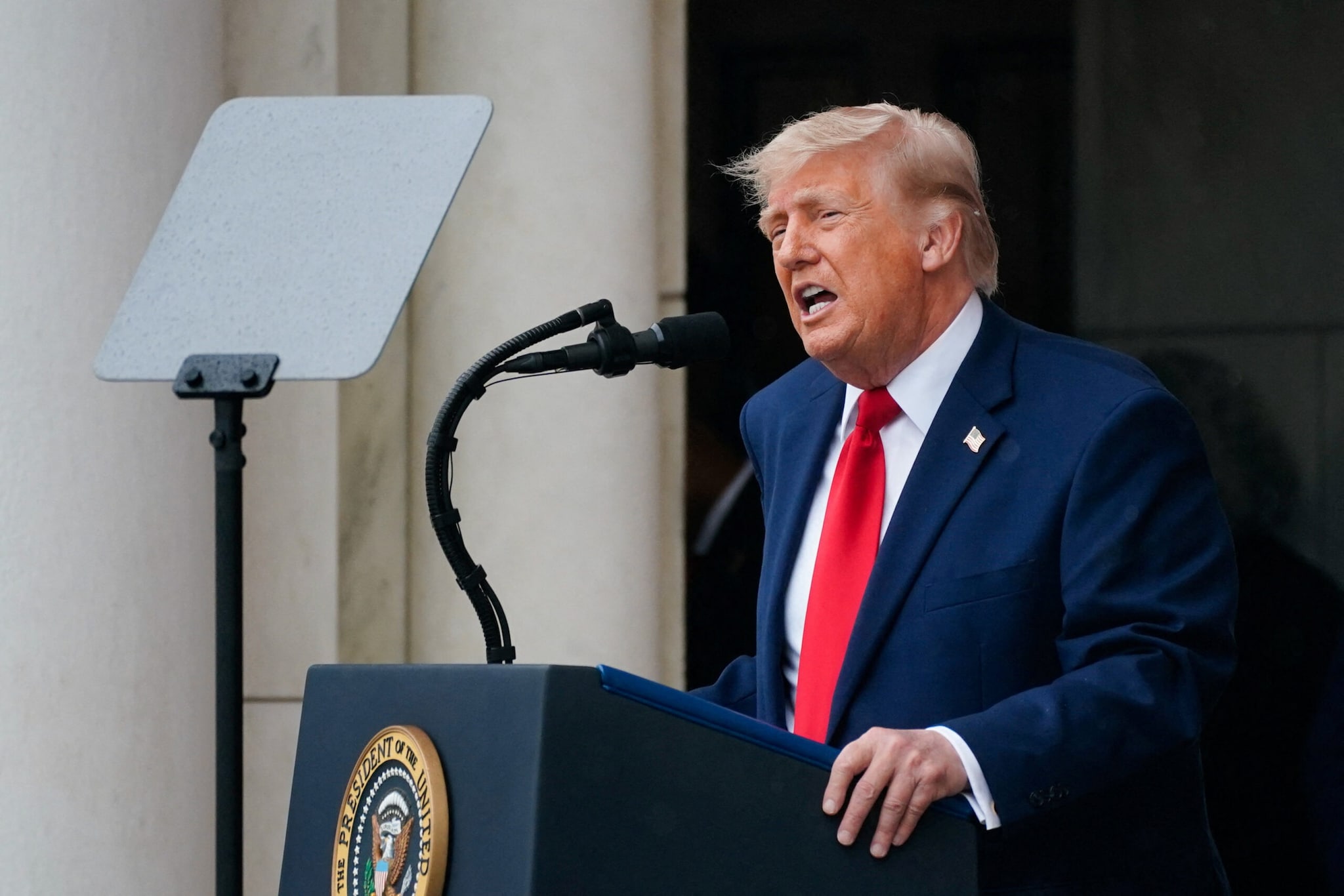
The White House is publicizing optimism, but the reality on the ground paints a vastly different picture. While domestic pressure to wrap up the military conflict with Iran mounts—fueled by rising domestic fuel prices and an anxious electorate—the structural mechanics of the current standoff mean Washington cannot simply walk away. The administration is trapped between an electorate desperate for a drawdown and a geopolitical adversary that excels at weaponizing time.
On paper, the temporary ceasefire brokered in April after devastating joint U.S. and Israeli kinetic strikes should have paved a quick path to a memorandum of understanding. In reality, negotiations have hit a brick wall. Mohsen Rezaei, a senior military adviser to Iran's supreme leader, openly declared that talks are at a deadlock. Tehran is demanding the immediate unfreezing of $24 billion in overseas assets as a baseline condition. White House strategists are discovering that applying overwhelming military and economic pressure is easy; translating that leverage into a durable diplomatic signature before domestic patience expires is an entirely different operational problem.
The Friction of Democratic Time
Every conflict involving an open society has an invisible expiration date determined by domestic political tolerances. The administration is learning this lesson in real-time. In Wisconsin, average retail gasoline prices hit $4.04 per gallon, a significant jump from last year. This economic reality directly undercuts the domestic political capital required to maintain a prolonged naval blockade in the Persian Gulf.
For Washington, time is a scarce commodity traded in election cycles, congressional hearings, and consumer price indices. For Tehran, time is an elastic strategic asset. The Iranian negotiating doctrine, refined over four decades of isolation, relies on absorbing initial trauma, dragging out indirect talks through intermediaries, and waiting for the political will of Western democracies to fracture under the weight of domestic economic discontent.
This divergence creates an asymmetrical negotiating environment. The administration needs a decisive victory or a clean exit to placate voters before the upcoming legislative midterms. Iran knows this. By conditioning any extension of the ceasefire on massive cash injections and tying the talks to ongoing hostilities involving regional non-state actors in Lebanon, Tehran is actively trying to run out the clock.
The Shadow Economy Propping Up Tehran
The primary reason the maximum pressure campaign hasn't triggered an immediate diplomatic surrender is that Iran's leadership has spent years building a parallel economic infrastructure designed specifically to survive total isolation. Traditional banking blockades are no longer the absolute barrier they once were.
This survival strategy relies heavily on digital asset integration. The U.S. Treasury Department recently placed sanctions on Nobitex, Iran's largest digital asset exchange, alongside three smaller platforms. According to federal data, Nobitex handled more than 50% of all Iranian digital asset inflows last year, operating as a multi-billion-dollar clearinghouse that allows the regime to move value across borders without triggering traditional wire transfer compliance alarms.
Traditional Sanction Targets vs. Modern Digital Evasion
┌─────────────────────────────────┐      ┌─────────────────────────────────┐
│     Old Target: Central Bank    │      │    New Target: Crypto Networks  │
│  • Frozen via SWIFT system      │  VS  │  • Peer-to-peer settlement      │
│  • Physical gold tracking       │      │  • Stablecoin liquidity pools   │
│  • Easily monitored by Treasury │      │  • Harder to trace instantly    │
└─────────────────────────────────┘      └─────────────────────────────────┘
When the war escalated with air strikes on conventional installations, the regime adjusted by routing wealth into international stablecoins. These assets were deployed to stabilize the plummeting Iranian rial and fund clandestine supply lines. Treasury officials confirm they have seized approximately $1 billion in sovereign-linked cryptocurrency, but acknowledging the scale of the digital shadow market is an admission that conventional naval blockades only stop physical cargo, not capital.
The Uranium Disposal Dilemma
Beyond the financial stalemate lies a complex technical reality that prevents a swift U.S. exit. The joint strikes earlier this year successfully compromised Iran's primary nuclear enrichment infrastructure. However, destroying a facility is not the same as neutralizing its inventory.
Highly enriched uranium remains embedded in deeply buried, compromised underground chambers. The administration acknowledged that retrieving and securing these unstable fissile materials requires highly specialized engineering capabilities possessed only by the United States and China.
This creates a severe tactical complication. Washington cannot leave the region safe in the knowledge that Iran's nuclear ambitions are permanently paused. If the U.S. navy withdraws its carrier strike groups to satisfy domestic anti-war sentiment, a security vacuum will form. Rogue internal factions or proxy networks could scavenge the damaged sites, leading to an uncontrolled proliferation scenario that would dwarf the current crisis.
Weaponized Geography
The economic fallout of the stalemate extends far beyond localized gas prices. The naval blockade launched on April 17 to counter Iran's closure of the Strait of Hormuz has essentially turned the Persian Gulf into a militarized zone. While the administration claims the blockade has zeroed out Iran's official crude exports, it has also forced global shipping containers to seek longer, more expensive alternative routes.
Tehran is leveraging this geographic vulnerability. Iranian military officials have issued warnings that if the current economic blockade persists, the theater of conflict will expand to maritime routes well outside the immediate war zone, explicitly targeting shipping lanes in the Indian Ocean, the Mediterranean Sea, and the Bab al-Mandab Strait.
By threatening these global trade arteries, Iran aims to raise the global cost of compliance for Washington's allies. If European and Asian economies face spiraling shipping insurance rates and extended transit times, they will pressure Washington to ease its hardline stance, effectively breaking the international sanctions coalition from within.
The Price of Compromise
The administration's current predicament is entirely self-reinforcing. It has set a high rhetorical bar, demanding a total, irreversible dismantling of Iran's nuclear apparatus and an end to all regional proxy financing. Yet, the domestic political clock is ticking louder every day.
Releasing $24 billion in frozen funds to kickstart stalled talks would be viewed domestically as a massive concession, handing political ammunition to opposition lawmakers who argue the administration is funding the very regime it spent months targeting. Conversely, maintaining the blockade without an active diplomatic channel invites a war of attrition that American consumers will ultimately pay for at the pump.
A tactical pause is not a strategy. The current ceasefire framework provides temporary relief from open combat, but without a fundamental shift in how Washington balances its domestic political timelines against Tehran's deep-rooted institutional patience, the current impasse will persist. The administration cannot afford a prolonged war, but under the current terms, it cannot afford the price of peace either.