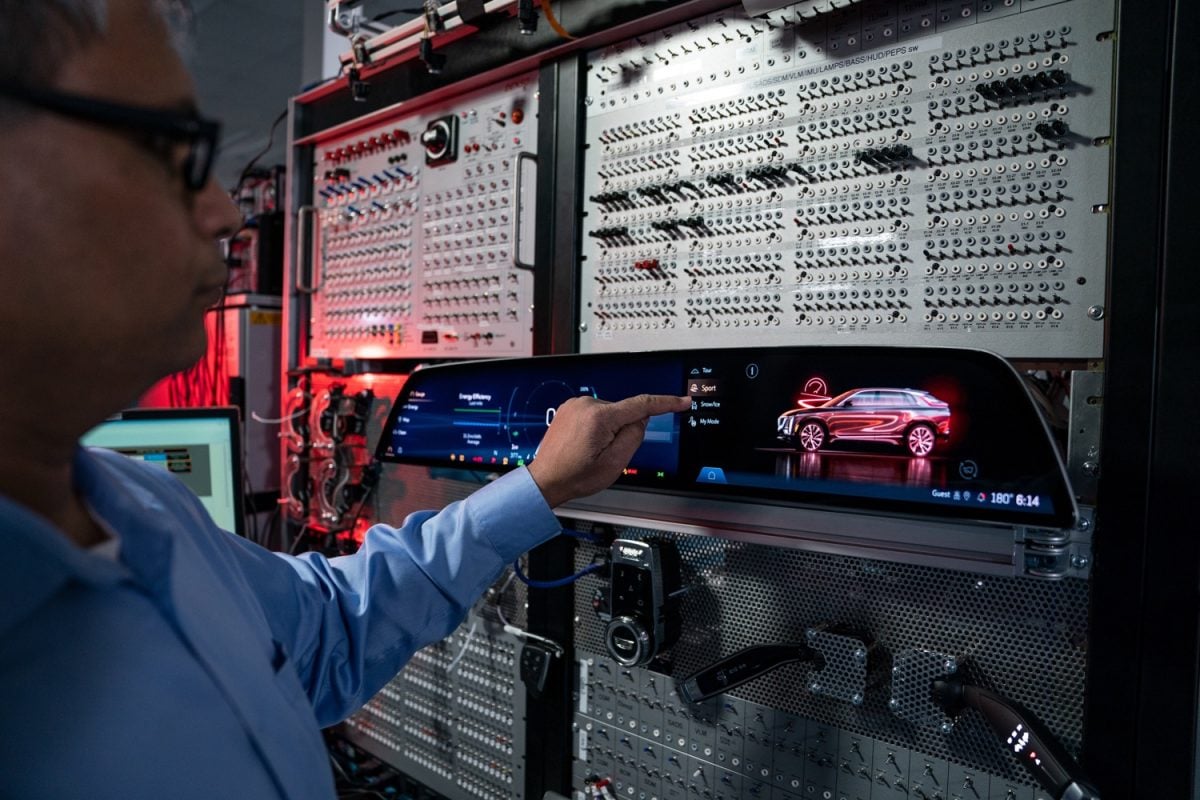
General Motors is betting that the ultimate battleground for high-margin pickup trucks is no longer under the hood, but inside the dashboard. With the upcoming rollout of redesigned Chevrolet Silverado and GMC Sierra trucks, the automaker is launching a heavily revised digital experience designed to strip away the sluggish menus and frustrating hierarchies that have long plagued automotive infotainment. Led by Sebastian Bauer, executive director of human interface design and a veteran of Apple and Google, the new software interface represents a critical test of whether a legacy manufacturer can beat Silicon Valley at its own game without alienating buyers who just want to haul cargo and pull trailers.
The automotive industry has spent the better part of a decade trying to turn vehicle cockpits into smartphones on wheels, often with disastrous results. Touchscreens buried inside multi-tiered menus have driven consumers back toward physical buttons, while clunky voice assistants have turned routine climate adjustments into frustrating safety hazards. General Motors is attempting to thread this needle by combining a split-view home screen—keeping an interactive navigation map permanently anchored alongside real-time trailering metrics or media controls—with streamlined physical toggles for primary climate and audio functions. For another perspective, check out: this related article.
This hybrid approach acknowledges a fundamental truth about truck owners: utility trumps aesthetic minimalism. When a driver is hauling heavy loads on a rural highway or navigating a cramped job site, hunting through sub-menus for a camera view is not just annoying; it is a distraction. By incorporating a dedicated Hitch View camera and automated trailer light diagnostics that can be triggered via a mobile device, GM is attempting to prove that software engineering can solve tangible physical labor challenges rather than just adding digital clutter.
The visual overhaul extends deep into the driver assistance ecosystem. As Super Cruise adoption expands across the Silverado and Sierra lineups, the vehicle's instrument cluster will feature a next-generation 3D driving visualization. Instead of abstract icons, the display renders surrounding traffic, lane markings, and immediate road obstacles with spatial depth, aiming to give drivers greater confidence during hands-free operation. Single-button activation for Adaptive Cruise Control and Super Cruise further reduces the cognitive load required to engage advanced safety features. Further reporting on this trend has been published by The Motley Fool.
Yet, the most significant shift involves how mobile integration is handled. For years, tech giants and traditional automakers have locked horns over dashboard dominance. Apple CarPlay and Android Auto have routinely been viewed by manufacturers as threats to proprietary subscription revenues. GM is taking a pragmatic detour by adopting a window-in-window approach. Rather than letting smartphone projection software seize total control of the screen, or locking it out entirely, third-party phone apps now operate inside large card windows alongside native truck management utilities.
Underneath the consumer-facing interface lies a broader financial imperative. General Motors expects its digital services, anchored by OnStar and advanced driver assistance subscriptions, to generate billions in recurring high-margin revenue. Pickups are the financial engine of Detroit. If a software-defined architecture can successfully bind a buyer to an ecosystem of ongoing updates, streaming services, and connected diagnostic tools, the profit model of the American car business shifts permanently away from hardware sales alone.
Success is far from guaranteed. Legacy buyers are notoriously resistant to sudden interface shifts, and any software instability can quickly sour sentiment on an otherwise exceptional mechanical platform. The market will soon find out whether this refined digital cockpit is a genuine leap forward or just another layer of expensive complexity standing between the driver and the road.