Viral clips of a 19th-century town hall burning in Limoges and crowds breaching city hall in Marseille capture only the final spark of France's 2026 unrest. What looks like sudden street chaos on a phone screen is actually the collision of a cost-of-living squeeze, strained public schools, and a fiscal trap that has left Prime Minister Sébastien Lecornu's government scrambling.
Having covered street politics and European fiscal battles for more than twenty years, I have watched plenty of French demonstrations turn ugly. Usually, a single spark sets them off—a fuel tax, a pension bill, a controversial policing measure. This time, the matches were lying everywhere before September even began.
Why the Streets Broke Open This Fall
Street rage rarely arrives out of nowhere. It builds quietly in household budgets, classroom schedules, and municipal maintenance backlogs until one weekend gives it a stage.
By mid-September, workers across sectors—from fishermen blocking ports in Nice and Sète to teachers, medical staff, and energy workers—were already sounding alarms over wages and living costs. High school students quickly joined in, blocking lycées over unfilled teaching posts, overcrowded rooms, and shortages of school nurses, assistants, and social workers.
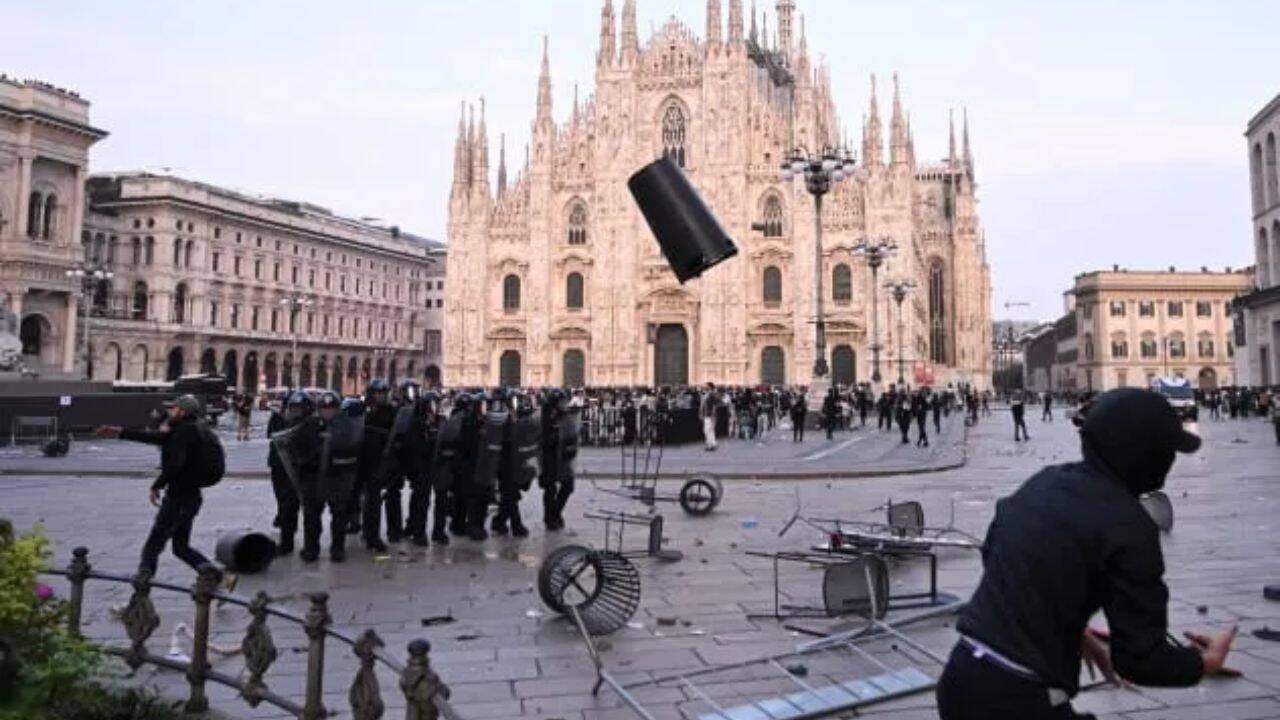
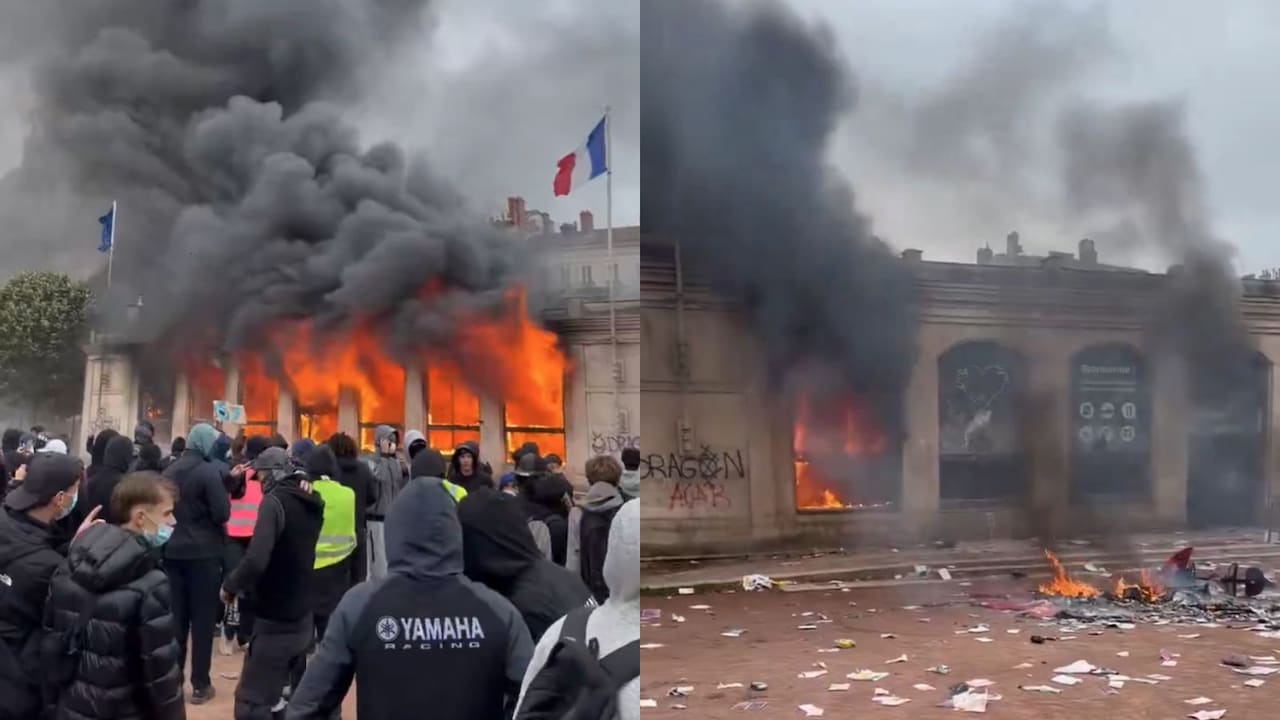
Then came the October flashpoint. Hundreds of thousands of people poured into streets across more than a hundred demonstrations nationwide. In Limoges, rioters broke into the historic town hall and set it ablaze, collapsing its roof while municipal police took cover inside before escaping unharmed. In Marseille, masked groups stormed city hall and a police station, while Lyon saw its historic tourist office torched.
Across Paris and other cities, thousands of businesses suffered looting or severe damage during the peak October upheaval, with police reporting over a thousand fires involving vehicles and public equipment. Interior Ministry tallies and government statements pointed to hundreds of thousands of demonstrators on the streets, over a thousand injuries across security forces and civilians, and mass arrests that overwhelmed local courts.
A Fiscal Squeeze Leaves Paris With Little Room
Many commentators treat the unrest as a failure of policing alone. That reading misses the math constraining the Élysée and Matignon.
France entered 2026 trying to bring a heavy public-sector deficit down toward five percent of GDP while keeping social security commitments—covering healthcare, pensions, family benefits, and unemployment insurance—intact. Prime Minister Sébastien Lecornu previously suspended controversial pension changes until the presidential election in a bid to buy political breathing room. Yet tightening public finances while inflation and fuel costs bite everyday households creates a vise. When the state tries to hold the line on spending, civil servants see stagnant pay and schools feel understaffed; when it tries to buy calm with targeted concessions, unions and students argue the relief stops short.
Even bringing forward a planned minimum-wage boost for private-sector workers did not quiet the broader pushback. Public-sector unions representing millions of state employees pressed for across-the-board pay raises, driving fresh waves of strikes and marches into November.
To see how that budget math plays out on the ground, consider a hypothetical mid-career municipal clerk in a mid-sized French city. Her nominal wage barely moves while rent, groceries, and commuting fuel creep higher each month, and her local high school lacks support staff for her teenager. When union leaders call a strike or online feeds amplify calls for a mass day of action, frustration that felt personal suddenly looks collective.
Two Crowds Sharing One Street
Short videos flatten every participant into a single label. On the ground in France, peaceful marchers, organized black-bloc agitators, and opportunistic looters operate with very different motives.
Shopkeepers in Paris described watching organized groups smash windows and loot storefronts in ways that had nothing to do with peaceful demonstrators. Officials pointed to black-bloc tactics—groups dressed in black with concealed faces—used to provoke clashes with security forces and attack public buildings. At the same time, protesters and observers raised alarms over heavy-handed policing, tear gas, and viral rumors on social media that quickly inflame crowds before facts catch up.
There is also a messy gray area that political slogans gloss over. Frustration over living standards and policing coexists with real fears among mayors, small business owners, and ordinary residents that state authority is eroding—and with intense positioning ahead of next year's presidential election, where opponents on the left and right read the crisis through rival lenses.
What Town Halls Represent in French Civic Life
Attacking a town hall carries a weight in France that goes beyond property damage. A mairie is not just an administrative office; it is the front door of local democracy and civil registration.
When a historic city hall burns in Limoges or crowds push into municipal buildings in Marseille, the shock hits local elected officials and residents directly. Mayors warn of fear in the streets and anger among shopkeepers who feel abandoned. Meanwhile, authorities have leaned on protest bans near sensitive sites, temporary bans on firecrackers, and massive police deployments to prevent repeats.
Where the Real Bottlenecks Sit
- School and hospital staffing: Unfilled positions and strained support roles turn routine policy disputes into daily friction for families and workers.
- Wage versus living-cost gap: Partial adjustments satisfy neither budget hawks nor workers facing high everyday expenses.
- Information speed vs. verification: Unverified social media rumors ignite street anger faster than official corrections can cool it.
- Targeted order without blanket crackdowns: Heavy deployments may contain riots for a weekend, yet broad restrictions risk alienating peaceful marchers and unions.
No single decree or baton charge resolves a collision between tight public budgets and rising household strain. Until wages, public services, and political trust stop pulling in opposite directions, every scheduled strike or weekend rally will carry the risk of another flare-up.