The World Health Organization just elevated the risk level of the current Ebola outbreak in the Democratic Republic of the Congo to "very high" at the national level, confirming that official numbers drastically underrepresent the actual footprint of the virus. While headlines point to 82 confirmed cases, the true threat lies in the almost 750 suspected cases and 177 deaths spreading across the conflict-torn Ituri and North Kivu provinces. International health agencies are struggling to map the transmission chains because global aid cuts, deep-seated local mistrust, and active militant violence have combined to leave the frontline response largely toothless.
This is not a repeat of previous epidemics. The standard medical playbook has been rendered obsolete by the biology of the virus itself. If you liked this piece, you should look at: this related article.
The Zero Vaccine Reality
Public health officials have grown comfortable fighting Ebola with a highly effective tool. During recent outbreaks, the Ervebo vaccine served as a reliable shield, deployed via ring-vaccination strategies to halt transmission in its tracks. That vaccine targets the Zaire strain of the virus.
The current crisis involves the Bundibugyo strain. For another look on this development, check out the latest coverage from CDC.
There is no approved vaccine for the Bundibugyo virus. There are no licensed therapeutic treatments.
When a health worker sticks a needle into an infected patient in Bunia or Rwampara, they are operating without a safety net. The medical community is forced to rely on supportive care—hydration, symptom management, and sheer luck. This structural vulnerability explains why the virus is moving faster than the response. Scientists are scrambling to organize field trials for an experimental oral antiviral drug called obeldesivir, but deployment takes time. Time is the one luxury the region does not have.
The outbreak originated in the Mongbwalu mining zone, a transient hub where thousands of informal workers move fluidly across borders and provincial lines. From there, symptomatic individuals traveled to urban centers like Bunia seeking medical attention. By the time the World Health Organization declared a Public Health Emergency of International Concern, the virus had already crossed into Uganda, killing an elderly man who traveled to Kampala.
The Ashes of Rwampara
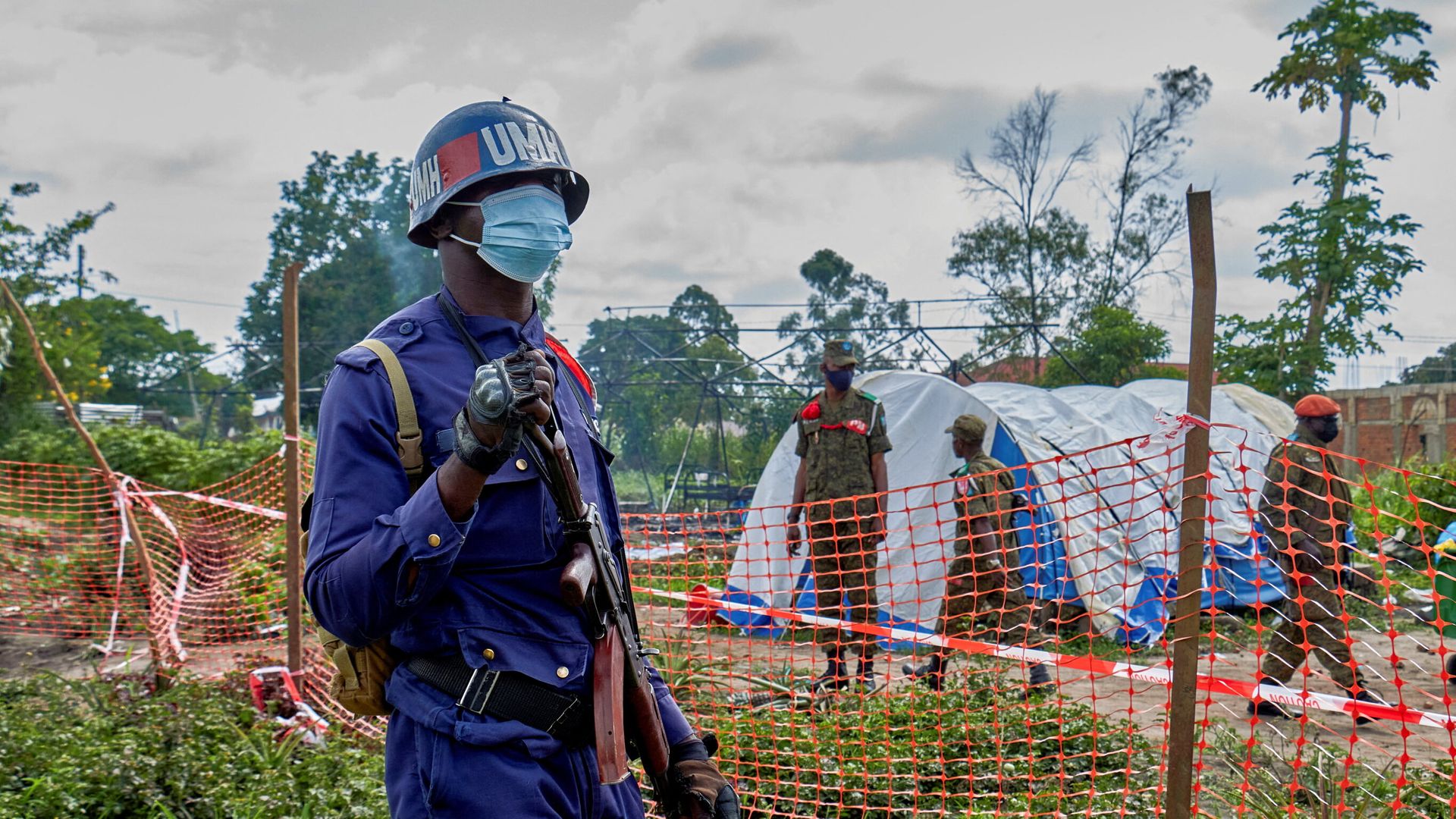
If the biological reality is grim, the social landscape is actively hostile. In the town of Rwampara, a mob of local youths descended upon a newly constructed medical isolation facility, setting the tents and supply caches on fire.
The riot started because medical staff refused to hand over the body of a local man who had died in the clinic.
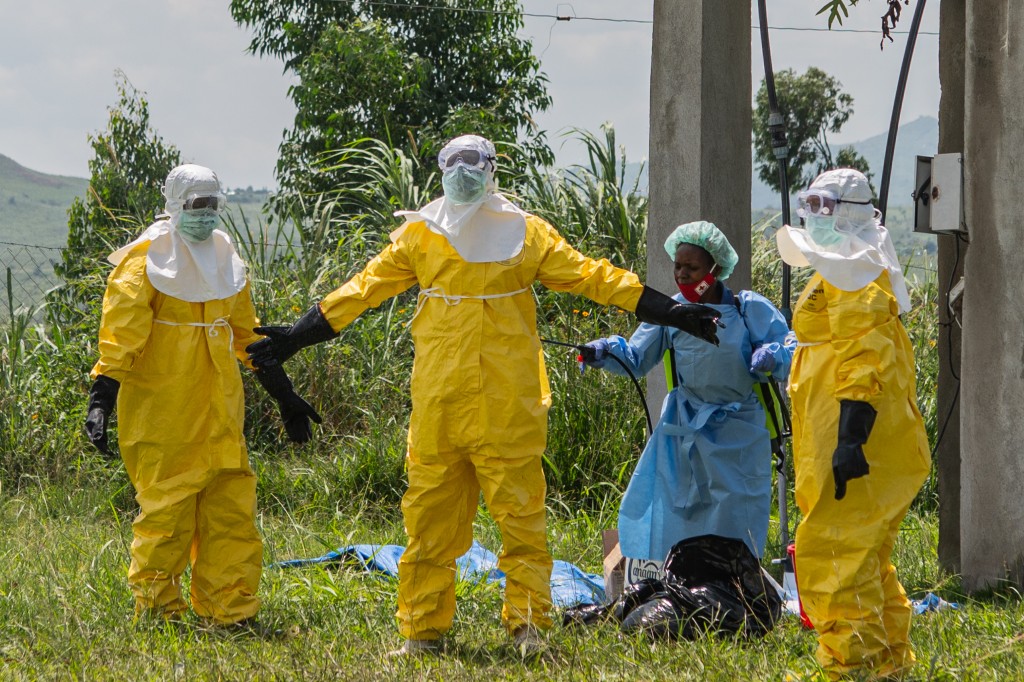
To an outside observer, burning a hospital during a lethal epidemic looks like collective madness. To anyone who understands the history of eastern Congo, it is the logical result of systemic exploitation and broken promises. Communities look at international interventions with intense suspicion. When health workers in white hazmat suits arrive to confiscate the bodies of loved ones—denying families the right to perform traditional washing and burial rituals—the response is not cooperation. It is rage.
Suspected Ebola Metrics (May 2026 Outbreak)
===================================================
Suspected Cases:          ~750
Suspected Deaths:         177
Confirmed Cases:          82
Contact Tracing Rate:     11% (Ituri Province)
===================================================
Traditional burials are highly efficient amplification events for Ebola. The bodies of the deceased carry an immense viral load, and touching the skin or bodily fluids during a funeral guarantees infection. Yet, when the state and international agencies intervene without establishing deep communal ties, they create a friction point that breaks the medical response entirely. In Ituri, contact tracing has collapsed to a catastrophic 11%. Nine out of ten potential exposures are currently untracked, moving freely through crowded gold mines and displacement camps.
The Cost of Austerity
The international community is fond of expressing alarm, but it is less enthusiastic about funding basic infrastructure. The current failure to contain the Bundibugyo outbreak tracks back to severe international aid cuts implemented over the past year.
Frontline clinics lack the bare minimum required to keep staff alive. Local aid groups report that nurses are triaging patients with nothing more than basic paper masks and hand sanitizer. Specialized personal protective equipment is absent. Four healthcare workers died within a single four-day window in Mongbwalu before the outbreak was even officially identified.
When doctors and nurses become vectors, the entire healthcare apparatus collapses. Patients with ordinary malaria or physical trauma avoid clinics out of fear of contracting the virus, while infected individuals hide their symptoms to escape forced isolation.
The United Nations recently released $60 million from emergency funds, and the United States pledged $23 million, but these financial injections face an immediate bottleneck. Money cannot instantly rebuild a depleted workforce or manufactured supply lines that were dismantled during peaceful intervals.
Militants and Displacement
Medical geography cannot be separated from political geography. The provinces of Ituri and North Kivu are home to a dizzying array of rebel factions, including militants linked to the Islamic State group. Just days ago, an attack in the village of Alima left 17 people dead, forcing another wave of terrified civilians into informal camps.
There are currently more than 920,000 internally displaced people in Ituri Province alone.
Epidemiology in a displacement camp is a nightmare scenario. Sanitation is nonexistent, water purification is scarce, and thousands of people sleep shoulder-to-shoulder under plastic sheeting. If the virus secures a firm foothold within these populations, containment via traditional quarantine becomes impossible.
The response is running far behind the trajectory of the disease. The next few days will determine whether the Bundibugyo strain remains a severe regional crisis or transforms into a cross-border disaster that engulfs East Africa. Containment will not be achieved through top-down declarations from Geneva or token shipments of soap. It requires an immediate, high-risk deployment of resources directly into the hands of local healthcare workers who are currently facing a lethal virus completely unprotected.