At least 11 people lost their lives in western Iran when a fuel tanker suffered a catastrophic braking failure, collided with a passenger vehicle on the Sanandaj-Hamedan highway, and triggered a massive secondary explosion that engulfed adjacent automobiles. State media reports confirmed the initial death toll alongside several severely injured survivors rushed to hospitals in Sanandaj. Yet, reducing this tragedy to a simple highway accident ignores the systemic decay plaguing commercial transit across the region.
The Anatomy of a Preventable Catastrophe
Transportation arteries threading through Iran's western mountainous provinces carry immense economic weight. They also function as rolling hazards. Heavy commercial transport fleets, burdened by decades of international trade isolation and chronic underinvestment, frequently operate long past safe mechanical retirement dates.
When braking systems fail on steep inclines, heavy tankers transform into unguided missiles. The physics of a fuel transport fire are unforgiving. A ruptured compartment releases thousands of liters of volatile hydrocarbons instantly, creating an expanding vapor cloud that ignites upon contact with any active spark.
Local emergency services face severe equipment shortages when attempting to manage these high-temperature infernos. First responders often arrive at remote mountain passes without specialized chemical foam tenders, leaving them to battle petrochemical fires with standard water hoses that can inadvertently spread burning fuel.
Infrastructure Strain and Economic Pressures
Economic isolation exerts a heavy toll on road safety. Access to OEM spare parts for heavy European and Asian commercial chassis remains restricted. Fleet operators resort to local fabrication, counterfeit components, or keeping aging vehicles on the asphalt long past mandatory inspection limits.
Drivers face punishing schedules driven by inflation and shrinking margins. Transporting fuel across provinces yields narrow profits, forcing operators to cut corners on routine maintenance. Brake pads wear down to bare metal. Electrical wiring frays inside corrosive tanker environments.
Checkpoints and highway monitoring stations frequently prioritize security and smuggling interdiction over mechanical compliance. Structural oversight of commercial trucks takes a back seat to cargo verification.
The Broader Vulnerability of Energy Corridors
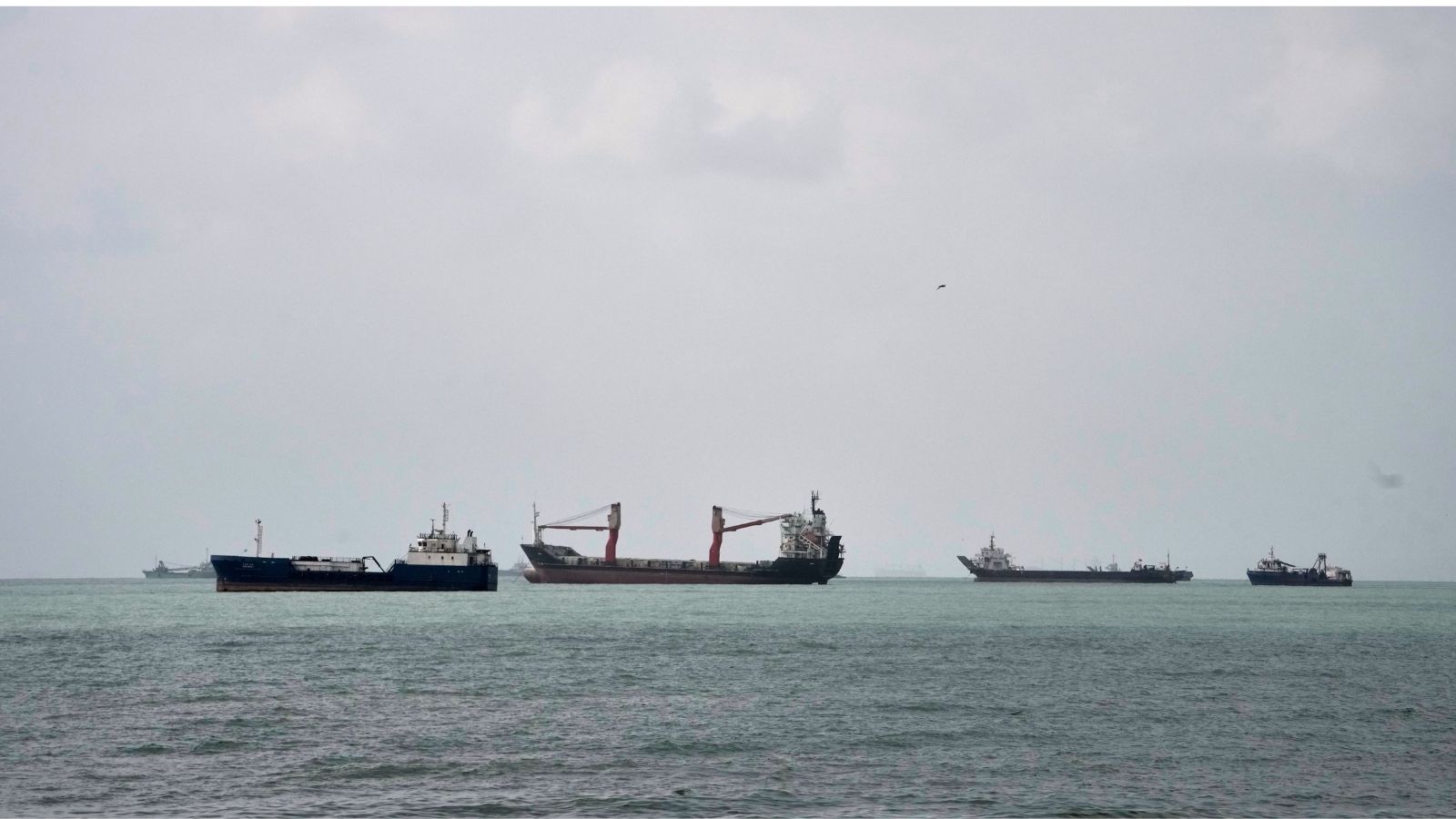
This highway disaster mirrors a wider vulnerability inherent in regional transport networks. Whether tracking land-based fuel trucks winding through Kurdistan province or managing maritime energy conduits in the Persian Gulf, logistical safety remains structurally compromised.
When infrastructure degrades, ordinary commuters absorb the cost. Families traveling between Hamedan and Sanandaj share narrow, two-lane mountain corridors with overloaded commercial rigs possessing marginal stopping power.
True reform requires treating transport safety as a matter of national security rather than an afterthought of logistics. Until commercial fleets receive systematic overhauls and mandatory safety enforcement replaces passive observation, these mountain highways will remain corridors of extreme risk.