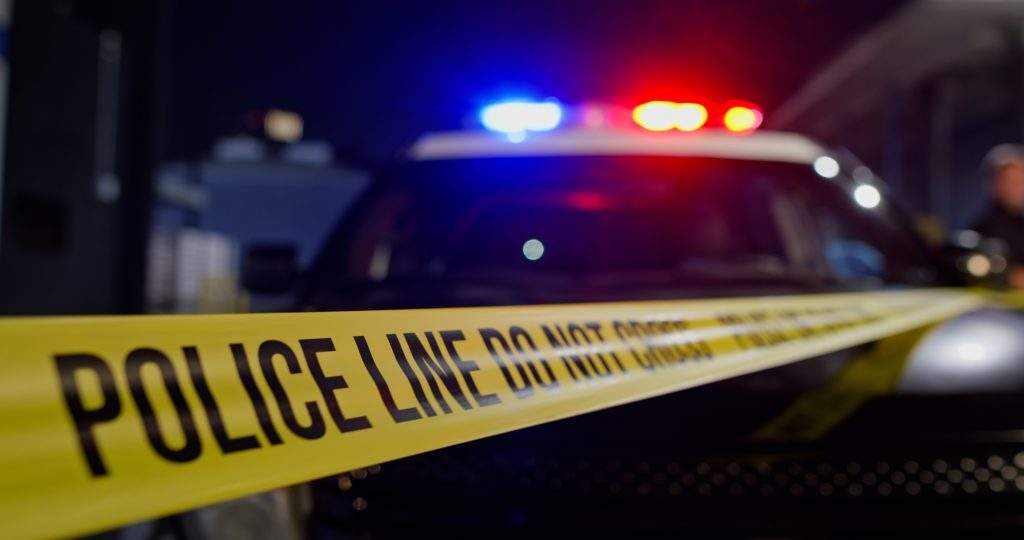
When emergency crews arrived at CRAB Park on the morning of September 23, 2026, they found 57-year-old Victor Charles McIntyre in medical distress. By the time life-saving measures failed and he was pronounced dead at the scene, Vancouver had quietly recorded its sixth homicide of the year.
A brief police bulletin, a hurried news cycle, and the steady march of urban life quickly pushed the incident into the background. But behind the cold statistics lies an unsettling reality about public safety, the vulnerability of marginalized waterfront spaces, and the systemic challenges facing homicide investigators in Canada’s western metropolis.
The Geography of Vulnerability
CRAB Park—officially known as Vancouver Waterfront Park—occupies a unique and politically fraught slice of geography. Nestled right at the edge of the Downtown Eastside along East Waterfront Road, it serves as both a scenic escape with panoramic views of the port and a vital gathering place for the city's most vulnerable populations.
When a violent crime occurs in a transient or heavily marginalized urban zone, the investigative hurdles multiply exponentially. Witnesses often possess a deep-seated distrust of law enforcement. Transient populations shift rapidly, and physical evidence in open, public parks is easily compromised by weather, foot traffic, and the sheer volume of daily visitors.
Days after McIntyre's death, the Vancouver Police Department (VPD) launched public appeals, releasing surveillance images of potential witnesses in hopes of piecing together the timeline between late Tuesday night and Wednesday morning. Weeks later, further appeals for a specific witness carrying a longboard underscored the painstaking, needle-in-a-haystack nature of major crime investigations in open urban environments.
The Anatomy of an Open-Air Investigation
Homicide investigations in public spaces demand a delicate balance between community trust and aggressive forensic tracking. Unlike homicides occurring within private residences or controlled commercial spaces, public park killings lack built-in security perimeters, private access logs, or fixed closed-circuit television networks.
Investigators are forced to rely heavily on sporadic municipal traffic cameras, dashcam footage from vehicles passing along the port perimeter, and voluntary civilian cooperation. This reliance creates a dangerous information vacuum during the critical first seventy-two hours of a case.
Consider a hypothetical scenario in a dense urban park: a violent altercation occurs in the dark shadow of a container terminal or behind a stand of coastal trees. Without immediate bystander intervention or direct electronic surveillance, detectives must work backward from zero initial suspects, piecing together fragmented timelines from individuals who may be reluctant to speak to police due to outstanding warrants, legal anxieties, or fear of retaliation.
Beyond the Crime Statistics
Media outlets frequently tally homicides like seasonal sports scores—noting that McIntyre’s death marked the sixth notch on the city's ledger for 2026. Yet reducing human life to a running numerical tally obscures the institutional failures that allow violence to fester in plain sight.
The Downtown Eastside and its bordering waterfront zones have long suffered from chronic under-resourcing in mental health intervention, addiction support, and secure housing. When municipal spaces become the default living rooms for individuals failed by social infrastructure, they also become theaters for preventable tragedies.
The VPD Homicide Unit continues to field calls at 604-717-2500, searching for the missing pieces that will bring closure to the McIntyre family. Yet until cities bridge the chasm between emergency policing and proactive community stabilization, waterfront parks like CRAB Park will remain high-risk zones where tragedies can unfold under the cover of a quiet urban night.