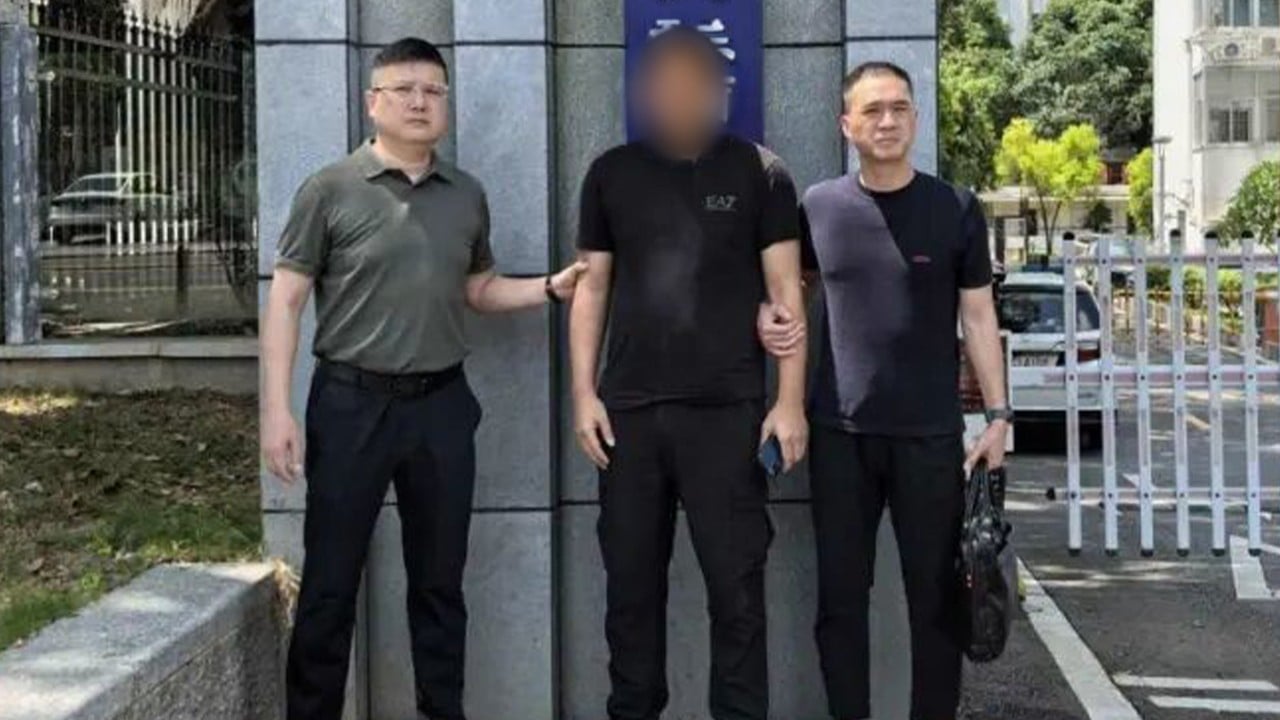
A teenager awaiting sentencing over a murder plot linked to an Iran-backed gang on British soil exposes a darker shift in transnational crime. Foreign intelligence agencies and criminal syndicates increasingly outsource lethal hits to disposable local youths. Instead of deploying expensive, traceable operatives across borders, handlers recruit teenagers through encrypted chats, local street crews, and financial desperation.
Decades covering security beat stories teach you to spot patterns before official briefings catch up. For years, state-backed intimidation in the United Kingdom looked like a counter-terrorism puzzle involving foreign nationals, diplomatic expulsions, or classic espionage tradecraft. That model is cracking. When a murder plot ties an Iran-backed gang to a teenage hitman inside Britain, the threat stops looking like distant foreign intrigue and starts looking like an everyday street policing problem wearing a geopolitical mask.
How Foreign Handlers Turn Street Youth Into Assets
Modern contract killing rarely starts in a smoky back room. It starts on a phone screen.
Handlers operating on behalf of state-linked networks or allied criminal outfits often sit far removed from the target street. They use layered communications, burner accounts, and intermediaries who never meet the shooter face-to-face. By the time a teenager receives instructions, surveillance photos, or a promise of payment, the chain of command has already been broken into dozens of disconnected links.
Why use a teenager? Because young offenders carry lower operational overhead and different legal exposure than seasoned operatives. A juvenile recruited from a domestic crime network often already knows how to source a firearm, move without drawing attention from neighbors, or blend into estate corridors. To a remote handler, an expendable recruit is cheap insurance. If the plot fails, the handler loses a pawn, not a career officer.
Yet treating every youth involved in a violent plot as a hardened ideological assassin misses how recruitment actually works on the ground. Money talks loudly in neighborhoods where legitimate wages feel out of reach. Status talks louder still. When a recruiter dangles cash, a fast car, or respect from older crew members, a teenager can slide from petty theft or drug running into a lethal conspiracy without fully grasping the machinery behind it.
Consider a hypothetical example to see how compartmentalization traps a recruit. Imagine a 17-year-old in a major British city who owes money to a local street dealer. A contact offers to wipe the debt and pay several thousand pounds simply to deliver a package and watch a house for two days. By the time the teenager realizes the target is a political dissident or rival and the "package" is a weapon, walking away feels more dangerous than going through with it. That is how leverage works in outsourced violence.
Why Transnational Networks Borrow Domestic Crime
For years, analysts drew a neat line between organized crime and state-backed coercion. Gang members chased profit and turf. Intelligence services chased secrets, influence, and regime adversaries.
That boundary has blurred badly. Criminal networks possess logistics that foreign actors covet: stash houses, untraceable vehicles, corruptible insiders, and familiarity with local police habits. Foreign sponsors bring patience, funding, and strategic targets. When the two intersect, domestic street crime becomes a delivery mechanism for foreign grievances.
British law enforcement has warned repeatedly about escalating threats linked to Iran and its proxy ecosystems targeting dissidents, journalists, and perceived enemies inside the country. When those plots rely on local criminal muscle rather than flown-in assassins, attribution becomes harder. Police investigating a shooting or a botched plot first confront familiar domestic elements—stolen mopeds, encrypted messaging apps, local gang rivalries—before intelligence feeds reveal a state-linked nexus.
The Problem With Deniable Proxies
Denial is the currency of proxy violence. If a plot succeeds, the sponsoring network claims deniability or points at local gang violence. If a plot fails and a teenager faces sentencing in court, the state sponsor still avoids direct fingerprints on the trigger.
Prosecutors and intelligence agencies face a stubborn evidentiary gap in these cases. Proving that a local offender acted at the behest of a foreign intelligence service or an Iran-backed gang requires stitching together digital breadcrumbs, financial trails, overseas communications, and undercover intelligence that may not all be admissible or easy to explain to a jury. Even when a conviction is secured, dismantling the upstream network remains slow and uneven.
There is also a counter-argument worth taking seriously. Some observers worry that labeling every violent crime with a foreign link as a "state threat" risks inflating geopolitical narratives at the expense of mundane policing realities. Street violence in Britain has deep domestic roots—county lines drug markets, youth exclusion, weapon availability—that existed long before any foreign handler opened a chat window. Over-indexing on foreign espionage can distract from unglamorous neighborhood work, while under-estimating foreign involvement leaves critical vulnerabilities exposed. Both things can be true at once.
Sentencing a Teenager Does Not End the Threat
When a teenage hitman stands before a judge for sentencing, the courtroom delivers accountability for an individual act. It rarely closes the pipeline that produced the offense.
Sentencing juveniles in severe violent conspiracies forces courts to balance public protection, deterrence, and rehabilitation. A young defendant may have acted with chilling lethality, yet still be legally a child or barely an adult whose brain development, trauma history, and susceptibility to coercion sit in plain view. Harsh sentences punish the crime and remove a dangerous actor from the streets. They do not automatically deter the next handler who has another ten thousand pounds and another vulnerable teenager on a contact list.
| Dimension | Traditional State Operatives | Outsourced Teenage Recruits |
|---|---|---|
| Recruitment Path | Vetted, trained, long-term grooming | Opportunistic, transactional, fast-tracked |
| Operational Security | Institutional tradecraft and cover stories | Burners, street crews, heavy compartmentalization |
| Legal Exposure | Diplomatic friction or serious espionage charges | Domestic murder or conspiracy prosecution |
| Replaceability | Harder and slower to replace | High turnover among vulnerable youth |
Look at that contrast and you see why the model persists. Replacing a trained intelligence officer takes years. Replacing a street-level recruit takes a message.
What Agencies Miss When Silos Hold
Investigating plots that bridge street gangs and foreign networks demands close coordination between counter-terrorism units, local police forces, financial investigators, and international partners. Turf habits and classification walls slow that work down. A local detective focused on a firearm conspiracy may see a street crew dispute. A counter-terrorism analyst may see an overseas threat actor. Until those pictures merge early, precious hours slip away.
Financial tracking offers one of the sharpest levers, yet it is notoriously slippery. Payments routed through informal value transfer systems, cryptocurrency, third-party fronts, or cash drops leave faint tracks compared with traditional bank transfers. Even when investigators spot suspicious flows, tracing funds across jurisdictions takes time that fast-moving plots do not give them.
Tech platforms sit right in the middle of this problem, too. Encrypted chats protect everyday privacy for millions of ordinary people, which is why blanket weakening of encryption is fiercely contested and technically fraught. Still, recruitment, reconnaissance sharing, and handler instructions thrive in private channels where law enforcement cannot see the planning until a weapon is already in motion.
The Hard Truth About Prevention
Stopping plots like this before someone gets hurt requires more than tough speeches after an arrest. It requires catching the hook before it sets.
Schools, youth workers, family intervention programs, and neighborhood officers often spot sudden shifts in a teenager long before intelligence agencies do—new cash with no explanation, sudden secrecy around phones, detachment from school, or ties to older local offenders. Yet early intervention struggles when budgets are tight, referrals move slowly, and young people distrust authorities.
At the same time, border and visa scrutiny, sanctions enforcement, and disruption of overseas facilitation nodes remain essential against foreign actors pushing violence onto British soil. None of these tools is a silver bullet. Every defensive measure creates pressure that pushes handlers to adapt—new apps, new intermediaries, younger recruits, different cities.
Real security in an era of outsourced violence comes from treating local youth vulnerability and foreign state threats as connected fronts of the same problem, not separate files on different desks. Watch how fast the next plot forms once a handler loses one asset; the real test of British policing is whether it breaks the recruiter's network faster than the recruiter finds the next kid.