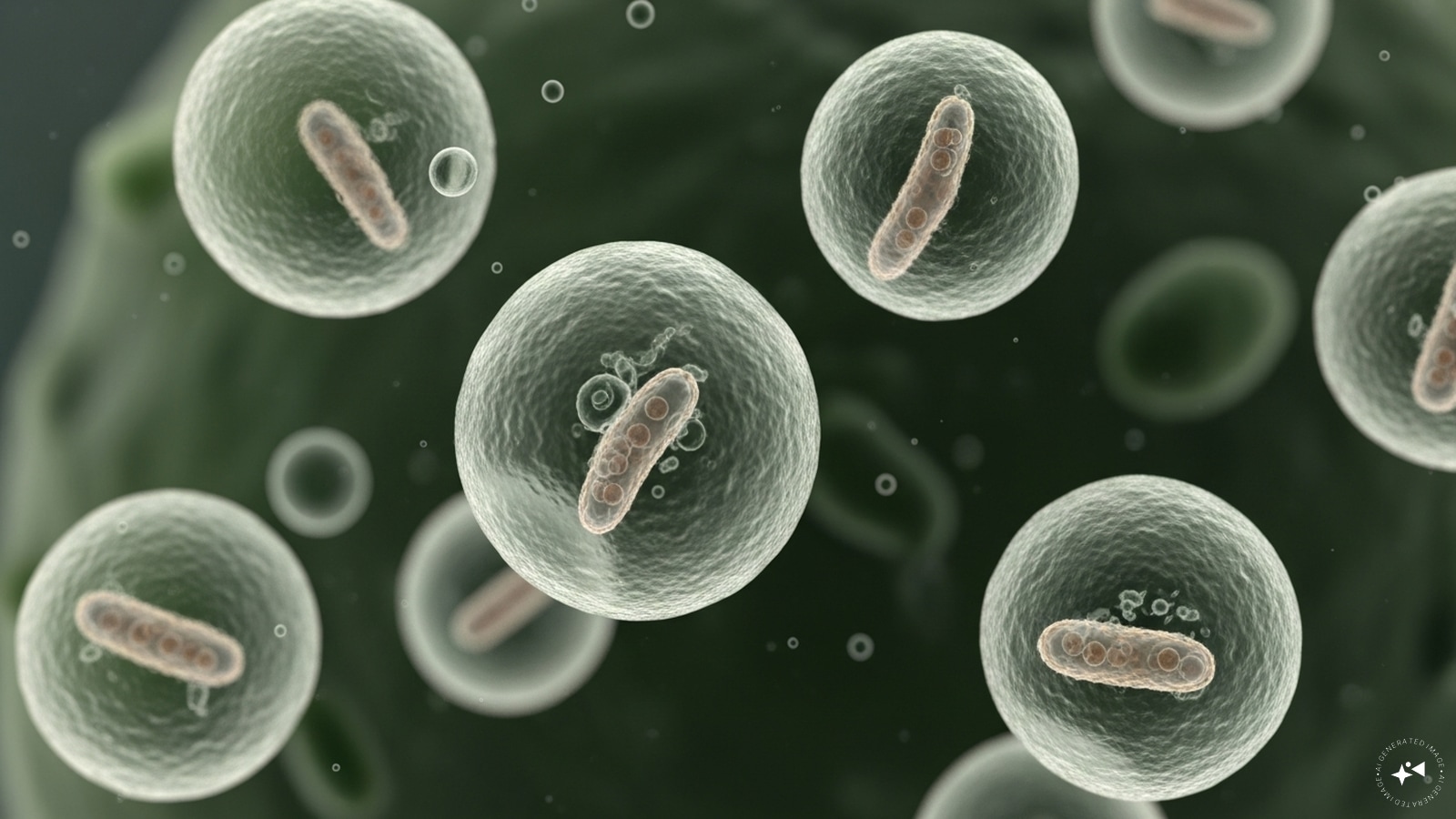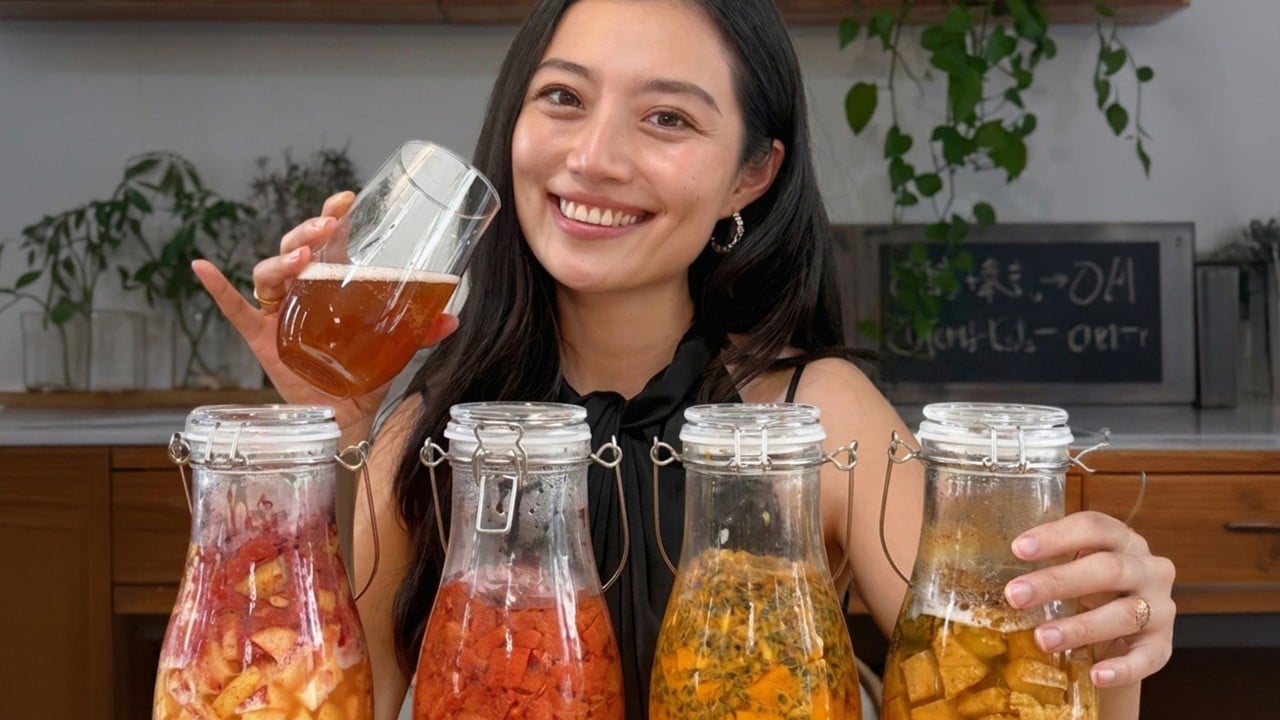
Kombucha is a naturally carbonated, tart drink produced by fermenting sweetened tea using a symbiotic culture of bacteria and yeast, commonly referred to as a SCOBY. Across urban centers in China, young adults are driving a massive resurgence of this centuries-old beverage. Their obsession stems from a combination of chronic workplace fatigue, a desire to cut sugar, and a cultural pivot toward self-preservation known as punk wellness. Fueled by grueling work schedules and digital burnouts, Gen Z consumers are turning to home-brewed, micro-fermented tea to repair gut health and reclaim agency over their bodies.
What began as an obscure DIY trend on Xiaohongshu and Douyin has rapidly mutated into a commercial race. Local beverage giants and boutique craft brewers are rushing to bottle fermented tea, competing directly with industrial soda and sweetened boba drinks.
Yet behind the viral videos of floating gelatinous discs and bubbling glass jars lies a complex intersection of corporate strategy, consumer anxiety, and biological reality. Understanding why this traditional elixir has suddenly captivated young urbanites requires looking far beyond simple flavor preferences.
The Anxious Chemistry of Punk Wellness
The surge in kombucha consumption is not an isolated fad. It is a direct response to the brutal physical realities of modern employment.
In major metropolitan hubs like Shanghai, Shenzhen, and Hangzhou, young professionals operate under intense professional pressure. Twelve-hour workdays and routine overtime have created a generation plagued by chronic fatigue, poor digestion, and sleep deprivation. Surveys across tier-one cities consistently show that over 60 percent of young workers self-identify as living in a state of sub-health, a clinical twilight zone between complete wellness and overt disease.
This environment gave birth to punk wellness, an ironic cultural philosophy best summarized as damaging your body by day and attempting to repair it by night. Late-night work sessions are paired with high-dose vitamin supplements. Fast food dinners are followed by expensive probiotic shots.
Kombucha fits this psychological niche with total precision.
It offers an immediate, tangible sense of remediation. When a tired worker swaps a high-sugar milk tea for an effervescent, low-calorie fermented brew, they feel they are actively counteracting the physical toll of their lifestyle. The sharp, vinegary bite of organic acids signals functionality to the palate in a way that flat water simply cannot match.
       Sugar + Sweetened Tea Base
                   │
                   ▼
    ┌─────────────────────────────┐
    │  SCOBY (Bacteria + Yeast)   │ ──► Fermentation Process
    └─────────────────────────────┘
                   │
                   ▼
┌──────────────────────────────────────────┐
│  Acids + Carbonation + Live Probiotics   │ ──► Low-Sugar Functional Beverage
└──────────────────────────────────────────┘
Furthermore, young consumers are increasingly skeptical of traditional pharmaceutical fixes for stress-induced digestive issues. They prefer dietary intervention. The live cultures within unpasteurized kombucha, including Acetobacter and various beneficial yeast strains, promise gut microbiome restoration. Whether the living bacteria survive stomach acid in sufficient quantities to permanently alter gut flora remains a subject of ongoing clinical debate, but for the stressed consumer, the perceived biological utility is more than enough to drive daily purchase habits.
Historical Reversal and the Return to the Kitchen
There is a deep historical irony in China's current kombucha explosion.
During the late 1970s and 1980s, an earlier iteration of kombucha—then known locally as haibao or sea treasure tea—swept across domestic households. Families kept jars of fermenting tea fungus on windowsill counters, sharing cultures among neighbors. That trend eventually faded as bottled soft drinks, foreign sodas, and hyper-processed sweet teas flooded the opening market during the 1990s and 2000s, representing modern industrial luxury.
Decades later, the trajectory has completely reversed. Industrial sugar is now viewed with open suspicion. The modern obsession with kombucha is both a global re-importation and a nostalgic reclamation.
Young consumers are turning their apartments into micro-laboratories. The process of cultivating a home SCOBY requires discipline, precise temperature regulation, and patience.
- Sweetened black or green tea is brewed and cooled to room temperature.
- A starter culture alongside the gelatinous SCOBY matrix is introduced to lower the pH.
- The jar is covered with breathable cloth and left undisturbed for seven to fourteen days.
- Primary fermentation yields acetic, glucuronic, and lactic acids alongside trace carbonation.
- Secondary fermentation incorporates cold-pressed fruit juices or botanicals in sealed bottles to build natural effervescence.
For a generation living in rented rooms and working behind computer screens, tending to a living biological entity provides a grounded, tactile satisfaction. It represents slow living in an environment that demands constant velocity.
Commercial Bottlenecks and Cold Chain Realities
Translating a home-brewed, living beverage into a scalable retail product presents severe engineering and logistical hurdles. This is where the retail narrative diverges sharply from the viral social media posts.
Raw, unpasteurized kombucha is biologically volatile. Because the yeast and acetic bacteria remain active inside the bottle, any exposure to room temperature triggers continued fermentation. The residual sugars convert into carbon dioxide and alcohol. Without unbroken refrigeration from the factory floor to the store shelf, bottles risk bursting, or at the very least, turning into harsh, unpalatable vinegar.
To avoid this risk, mainstream beverage manufacturers often resort to thermal pasteurization.
Heating the liquid solves the shelf-life issue completely. It stabilizes the flavor and eliminates the danger of exploding glass on store shelves. However, pasteurization destroys the very live cultures that define kombucha as a functional health beverage.
| Production Method | Live Probiotics | Shelf Stability | Cold Chain Required? | Taste Profile |
|---|---|---|---|---|
| Raw / Artisanal | High concentration | Short (Weeks) | Essential (2°C - 4°C) | Dynamic, sharp, complex |
| Pasteurized / Mass | Non-existent | Long (Months) | No | Standardized, artificially carbonated |
| Filtered / Re-inoculated | Controlled strains added post-filter | Moderate | Recommended | Consistent, mild acidity |
This tension creates a clear divide in the Chinese market. Mass-market brands sell shelf-stable, pasteurized tea drinks flavored with acetic acid and synthetic carbonation to mimic the kombucha experience for casual drinkers. Meanwhile, boutique domestic breweries invest heavily in cold-chain logistics, targeting premium consumers in Shanghai, Beijing, and Shenzhen who are willing to pay three to four times the price of a standard tea drink for genuine, unpasteurized, living fermentations.
The financial calculus for craft producers is unforgiving. Cold storage increases distribution overhead by an estimated 35 to 50 percent compared to ambient beverage lines. Margins are constantly squeezed by spoilage rates and high logistics costs. Brands that fail to establish direct-to-consumer delivery networks or secure premium placement in high-end supermarket fridges struggle to survive beyond their initial funding rounds.
The Sugar Wars and the Battle for the Daily Driver
Kombucha does not exist in a vacuum. It is locked in direct competition with the broader functional drink category, which has undergone its own massive restructuring over the last five years.
The rise of zero-sugar sparkling waters proved that Chinese youth were eager to discard traditional sugary sodas. However, artificial sweeteners like erythritol and sucralose are beginning to suffer from consumer fatigue. Buyers are scrutinizing ingredient labels with unprecedented rigors, searching for clean labels that contain recognizable, whole-food ingredients rather than synthetic additives.
Kombucha occupies a unique sweet spot in this evolving matrix.
Because the yeast consumes the majority of added sucrose during the initial fermentation cycle, the final liquid is naturally low in sugar without requiring artificial masking agents. The resulting tartness provides a sophisticated sensory experience that appeals to palates accustomed to unsweetened tea cultures.
| Beverage Category | Average Sugar per 100ml | Caloric Density | Primary Value Proposition |
|---|---|---|---|
| Traditional Milk Tea | 8g - 12g | High | Indulgence, comfort |
| Zero-Sugar Soda | 0g (Uses Erythritol) | Near Zero | Weight control, refreshment |
| Fresh Kombucha | 2g - 4g | Low | Gut health, natural effervescence |
Fresh tea chains are taking notice. Major tea networks across China have begun experimenting with fermented bases, blending raw kombucha with cold-brewed jasmine, white peach, and herbal infusions like chrysanthemum or goji berry. By integrating traditional Chinese medicine ingredients into raw fermented tea, these beverage networks are creating entirely new sub-categories tailored specifically to domestic tastes.
Yet, market penetration remains concentrated in affluent urban centers. For the average consumer in lower-tier cities, the acidic, pungent flavor profile of authentic kombucha remains an acquired taste. Mass adoption requires educating consumers who still associate fermented liquids primarily with cooking vinegar or traditional pickles rather than daily hydration.
Regulatory Grey Zones and the Fermentation Reality Check
As the market expands, regulatory authorities face significant challenges in standardizing what can legally be labeled and sold as kombucha.
Unlike standard RTD (ready-to-drink) teas, raw kombucha inherently contains trace amounts of ethanol as a natural byproduct of yeast fermentation. While domestic regulations for non-alcoholic beverages generally mandate an alcohol content below 0.5 percent by volume, unpasteurized products stored improperly on retail shelves can easily cross this threshold over time.
This presents a serious legal risk for distributor networks and retailers. A bottle sitting in a warm delivery van for a few hours can continue to ferment, elevating its alcohol level and violating non-alcoholic safety standards.
Moreover, scientific consensus around the health claims attached to commercial kombucha remains nuanced. While academic literature acknowledges the general benefits of organic acids and probiotic diversity for gastrointestinal function, many commercial claims regarding systemic detoxification, immunity boosts, and metabolic acceleration are overstated by influencers.
The reality of artisanal fermentation means batch-to-batch consistency is notoriously difficult to maintain. The precise balance of Gluconacetobacter, Lactobacillus, and Saccharomyces species varies depending on ambient humidity, seasonal tea harvests, and water mineral content. For large-scale industrial bottling, this variability is a quality-control nightmare. For small-batch artisanal brewers, it is their primary selling point.
The future of this sector will not be decided by viral social media trends or aesthetic home-brewing videos alone. It will be determined on cold-chain logistics routes, in municipal testing laboratories, and on ingredient labels. The brands that successfully solve the stability equation without stripping the liquid of its biological vitality will capture a generation desperate for authentic, functional health solutions.