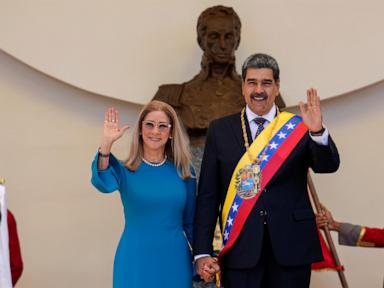
Cilia Flores, the wife of deposed Venezuelan leader Nicolás Maduro, is pressing federal courts for pretrial release from the Metropolitan Detention Center in Brooklyn, citing deteriorating cardiac health and significant weight loss. Her defense team argues that chronic mitral valve prolapse requires specialized care outside the harsh confines of a maximum-security federal facility. U.S. District Judge Alvin Hellerstein remains skeptical, pushing back on medical specifics during courtroom arguments while the legal apparatus gears up for an extensive trial schedule stretching toward mid-2027.
The high-profile detention stems from a dramatic geopolitical showdown that upended regional politics. Following their capture in Caracas, Maduro and Flores were transferred to New York to face federal narco-terrorism and drug trafficking charges. The indictment, spearheaded by the Southern District of New York, alleges deep-seated corruption at the highest levels of the Venezuelan state. For federal prosecutors, keeping both defendants in custody is essential to ensuring they face trial without the threat of flight, given that Venezuela's current political structure offers no viable extradition route if they managed to escape.
Legal battles surrounding pretrial detention for foreign heads of state and their inner circles rarely pivot solely on humanitarian appeals. Defense strategies routinely highlight the physical toll of prolonged detention, noting drops in body weight and missed monthly therapeutic regimens. Yet federal judges presiding over complex international racketeering cases weigh these claims against the sheer gravity of the allegations and the immense resources available to defendants tied to sovereign wealth. In Flores's case, the court noted that medical personnel within the system are equipped to handle cardiac monitoring, creating a steep hurdle for defense lawyers attempting to secure home confinement.
The broader implications of the prosecution reach far beyond individual health petitions. The case serves as an unprecedented test of extraterritorial federal jurisdiction over sitting leaders captured during coordinated international operations. Legal scholars continue to debate the limits of sovereign immunity when confronted with federal charges involving narcotics conspiracy and state-sanctioned violence. As both defendants plead not guilty and await their day in court, the proceedings in lower Manhattan transform into a meticulous examination of international law, executive power, and the procedural boundaries of American jurisprudence.
Meanwhile, the daily reality inside the Brooklyn detention center highlights the stark transition from presidential palaces in Caracas to fluorescent-lit holding blocks. With trial dates fixed far in advance, motions concerning health, evidence discovery, and jurisdictional challenges will continue to dominate court dockets. The outcome of Flores's bail application will set an immediate tone for how the judiciary handles the human elements of prosecuting high-value geopolitical detainees.