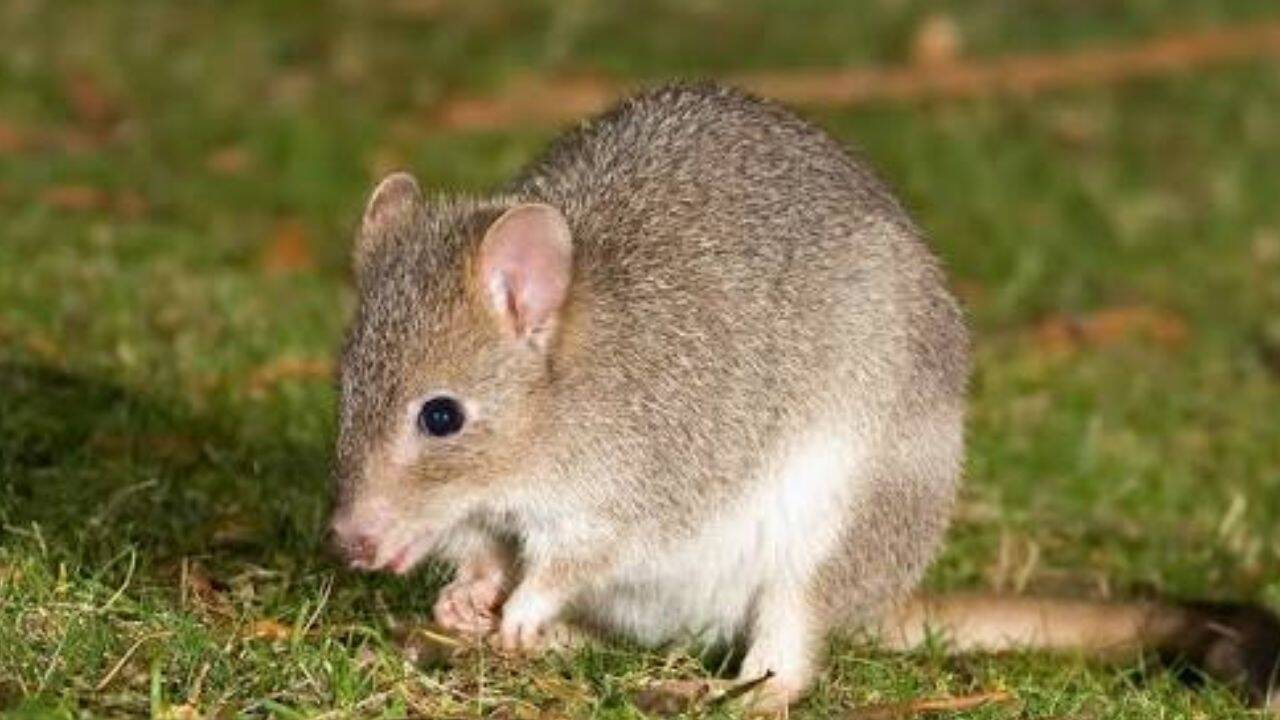
Seventeen rufous bettongs were recently released into a feral predator-free sanctuary within New South Wales' Ngambaa Nature Reserve. Sourced from a specialized breeding facility at Barrington Tops and managed by Aussie Ark alongside state environmental agencies, this small cohort of ten males and seven females represents more than a modest wildlife milestone. It represents an ongoing, expensive, and fragile effort to reverse a century of mammalian collapse across the Australian continent.
Yet behind the celebratory headlines lies a sobering operational reality. Fenced sanctuaries and predator-free enclosures are brilliant triage units, but they are ultimately giant cages. Conservation biology in Australia has reached a crossroads where managers must decide whether these high-security arks are permanent habitats or merely temporary stepping stones toward an uncertain wild.
The Ecological Impact of the Forgotten Engineer
To understand why wildlife managers are investing heavily in moving small groups of nocturnal marsupials across the map, one has to look at what happens to the ground beneath our feet. Bettongs are not just cute, rabbit-sized members of the rat-kangaroo family. They are prolific ecosystem engineers.
A single bettong can turn over tons of soil each year while excavating for truffles, roots, and underground fungi. This persistent digging creates micro-depressions that trap organic matter, catch falling rain, and serve as natural nursery beds for native seeds. When continental populations of bettongs crashed following European settlement, the Australian bush lost its natural cultivator. Soil compaction increased, water infiltration dropped, and the subterranean fungal networks that sustain eucalyptus forests lost their primary dispersal agent.
Restoring these species is not driven by mere sentimentality. It is a functional repair job. Without the constant turning of the earth by marsupials, forest floors lose their hydrological resilience. Reintroducing seventeen animals is a microscopic drop in an ocean of degraded land, but it is the foundational mechanism required to kickstart biological processes that have been dormant for generations.
The Architecture of Exclusion
The Ngambaa release relies on a specific tool: the fenced, feral predator-free reserve. Across Australia, these high-tensile, electrified barriers have become the primary line of defense against the country's most destructive invasive species. Red foxes and feral cats have decimated native fauna with a ruthless efficiency unmatched by native predators.
Fencing works, but it comes with severe biological and financial limits. Constructing and maintaining predator-proof perimeters across rugged terrain costs millions of dollars. More importantly, fenced reserves create biological islands. When an animal population is locked inside a perimeter, gene flow is restricted. Without careful human-managed translocations to mix genetic lines, inbreeding depression can erode a population faster than a disease outbreak.
Ecologists are running against a clock of genetic stagnation. While partnerships with academic groups like the Australasian Wildlife Genomics Group help track pedigree and maintain diversity, every fenced sanctuary operates under a ceiling of available space. Once a reserve reaches its carrying capacity, reproduction slows, and managers are forced to look outward.
Beyond the Fence Line
The ultimate dilemma facing Australian conservationists is the territory outside the wire. Fenced arks can save a species from immediate extinction, but they cannot scale to cover the millions of square hectares where feral predators roam unchecked. Eradicating cats and foxes from the open Australian landscape is currently impossible with existing technology.
To break this stalemate, parallel experiments are underway in regions like the arid zone's Wild Training Zone and various state forests. Instead of total exclusion, these projects test low-density predator suppression paired with "wild training." By maintaining predator populations at a fraction of their normal density, land managers give reintroduced mammals a narrow window to adapt, learn avoidance behaviors, and pass survival traits to their young.
It is a high-risk strategy. Mortality rates in unfenced or partially managed zones are predictably higher than those inside pristine sanctuaries. Bettongs exposed to even low numbers of stealthy predators often experience sharp population dips. Yet conservation strategists argue that refusing to take this risk condemns native wildlife to a permanent life behind bars, entirely dependent on human maintenance of perimeter fences.
The Long Game for Mainland Restoration
The seventeen bettongs settling into Ngambaa Nature Reserve face an environment carefully engineered for their survival, monitored by motion-sensor cameras, radio tracking tags, and dedicated field researchers. Their immediate prospects are favorable.
The true test of this multi-million dollar conservation apparatus will not occur inside the protected zone this year, nor next. It will happen when the population multiplies to the point where the sanctuary overflows, forcing managers to choose between building more fences or trusting the animals in the unprotected wild. Until a scalable solution is found for the feral predator crisis, Australia's most vital ecosystem engineers will remain prisoners of hope, protected by steel wire and human intervention.