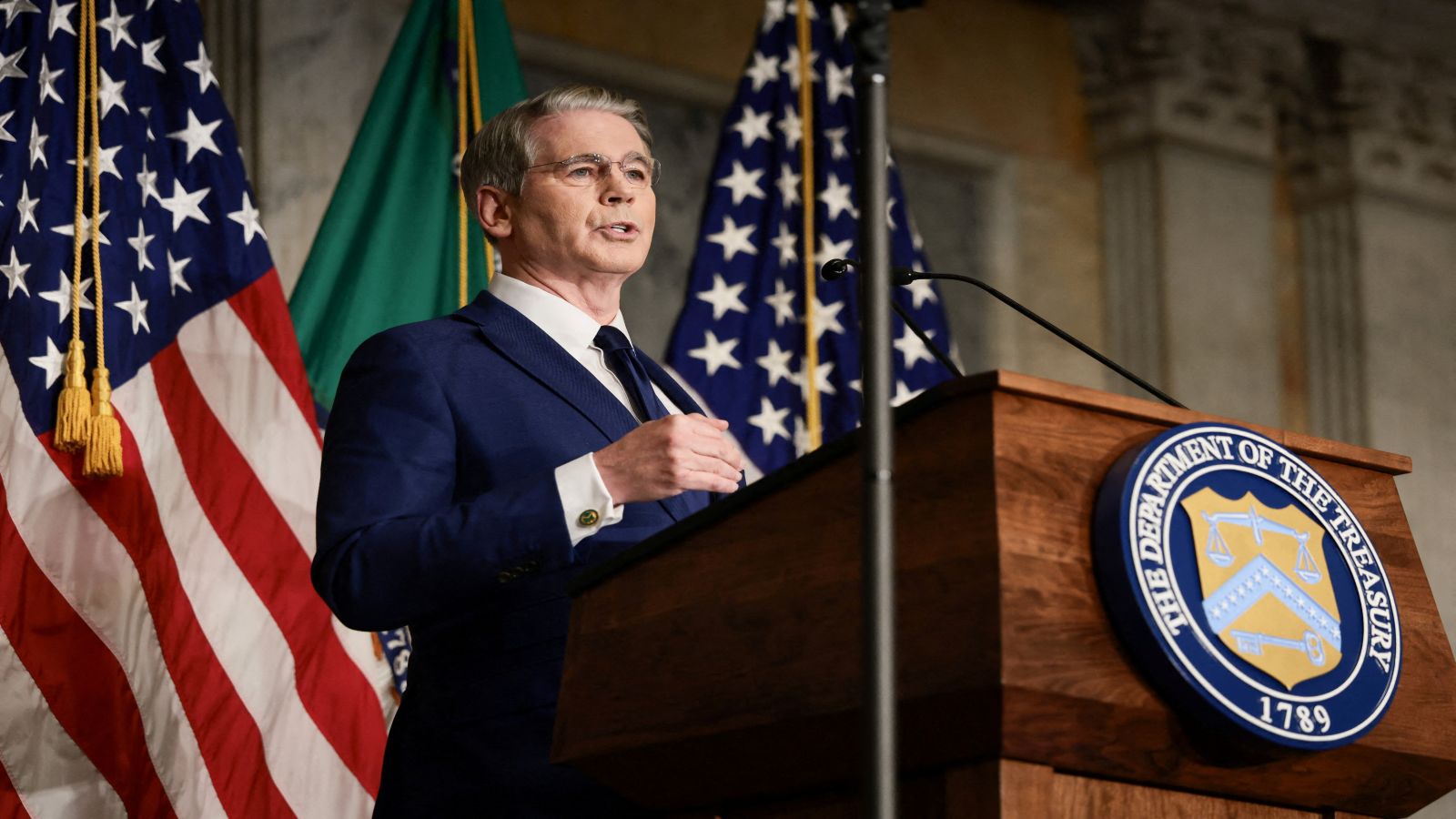
Treasury Secretary Scott Bessent recently made it clear that the current administration will not grant artificial intelligence creators a blanket "liability shield", sending shockwaves through corporate boardrooms that expected Washington to cushion them against catastrophic system failures. Speaking before lawmakers, Bessent insisted that the most effective guarantee of safety is forcing AI developers to bear direct financial responsibility for the software they deploy. This hardline stance shatters the long-standing Silicon Valley playbook, which has historically relied on federal immunity—much like early internet companies under Section 230—to scale rapidly while deflecting the costs of collateral damage.
For years, the architects of large-scale machine learning models operated under a convenient fiction. They argued that code is abstract, that neural networks are unpredictable black boxes, and that holding creators accountable for downstream errors would effectively choke off innovation. That defense is now colliding with economic reality. When automated systems misbehave, whether by cascading financial market errors, issuing flawed medical diagnostics, or generating destabilizing corporate disinformation, the fallout cannot simply be written off as a software bug. By drawing a line in the sand, the Treasury Department is signaling that liability must rest with the entities commercializing these systems rather than society at large. You might also find this similar story useful: When Synthetic Media Meets Live Television The Piers Morgan Broadcast Exposed the Future of Deepfakes.
The pushback from venture capitalists and enterprise tech giants has been immediate, if largely whispered behind closed doors. Industry lobbyists argue that removing federal protections exposes startups to crushing litigation, potentially handing the competitive advantage to foreign rivals who face fewer legal constraints. Yet this argument misreads the domestic political landscape. Lawmakers from both parties are growing increasingly skeptical of corporate self-regulation. When tech monopolies demand government protection from their own products, they are essentially asking taxpayers to underwrite their risk while privatizing the upside.
Consider a hypothetical scenario where an autonomous enterprise logistics system misinterprets supply chain data, triggering a multi-million-dollar inventory crash across an entire industrial sector. Under a liability shield model, affected businesses and consumers would absorb the loss, while the software vendor walks away shielded by complex terms-of-service disclaimers. Denying that shield fundamentally alters the calculus. It forces compliance and safety protocols out of marketing brochures and into the core engineering architecture. Companies can no longer treat risk management as an afterthought when a single catastrophic rollout could wipe out their balance sheet. As reported in detailed articles by Ars Technica, the effects are significant.
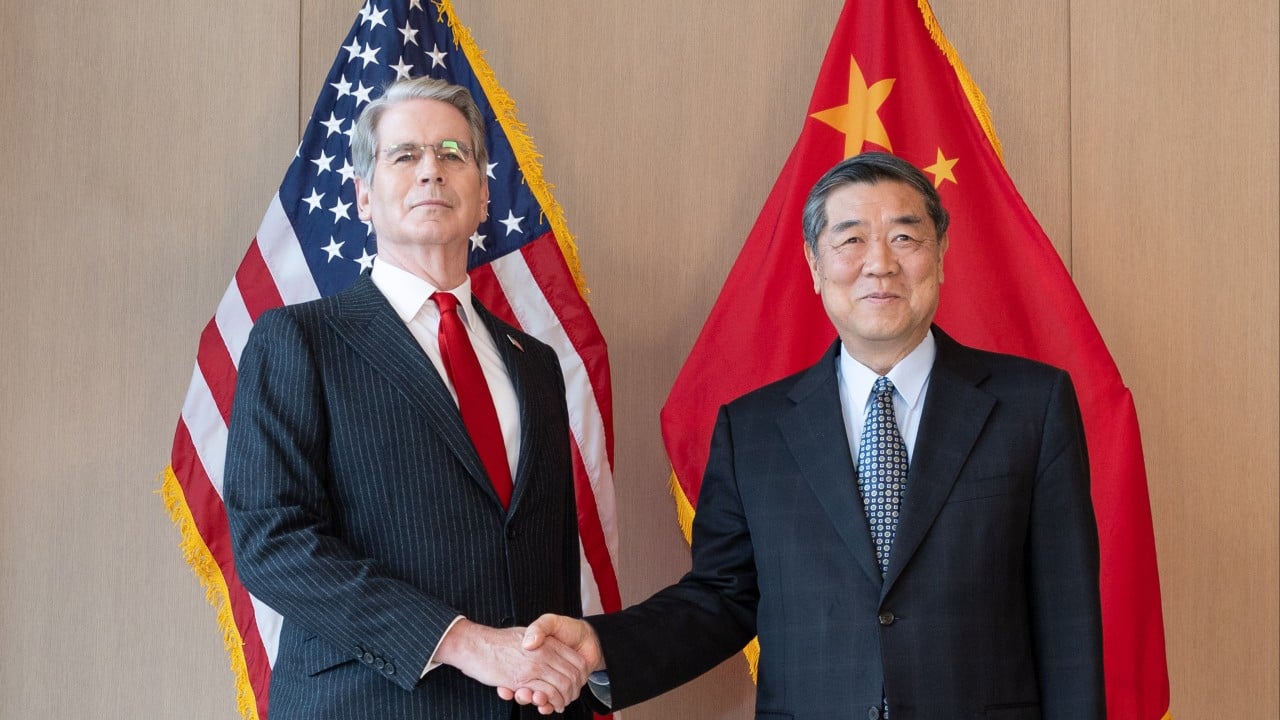
This policy shift also introduces a complex dynamic into the global technological race, particularly regarding competition with Beijing. Washington is attempting a difficult tightrope walk: encouraging aggressive development of advanced algorithms to maintain geopolitical supremacy while simultaneously imposing strict domestic accountability. Critics argue that stringent legal exposure will slow down domestic labs, but proponents maintain that unchecked deployment is an even greater national security threat. Software that cannot survive contact with basic accountability is not ready for critical infrastructure.
Insurance markets are already scrambling to price this newfound exposure. Underwriters are attempting to model risks that have no historical precedent, creating a tense standoff between tech executives and risk assessment firms. Premiums for high-end model deployment are projected to skyrocket, pricing out smaller players and consolidating power among well-capitalized conglomerates that can self-insure. This unintended consolidation may well be the hidden cost of refusing a federal safety net.
The corporate strategy of moving fast and breaking things relied entirely on the assumption that someone else would pay for the debris. With the Treasury closing off that escape hatch, the industry faces an expensive reckoning. Software engineering must now evolve from a wild-west expansion into a disciplined, high-stakes engineering discipline where errors carry real balance-sheet consequences.
The era of effortless absolution for algorithmic missteps is over, and the market is about to find out how much code is actually worth when the creators have to pay for the wreckage.
Treasury admin won't give AI leaders a liability shield
This segment from financial news coverage provides a firsthand look at Treasury Secretary Scott Bessent outlining the administration's stance on denying legal immunity to artificial intelligence labs.