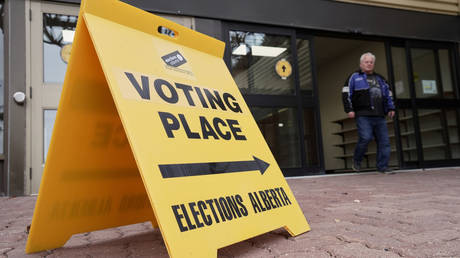
Alberta voters went to the polls on October 19, 2026, and delivered a decisive verdict on Alberta secession: nearly three-quarters chose to remain a province of Canada, rejecting a push to start the constitutional path toward a binding separation referendum. Official results from Elections Alberta put the split on Question 10 at 74.95% to stay against 25.05% to launch the legal separation process, across more than two million ballots cast.
Yet the headline number misses the real mechanics of the vote. Premier Danielle Smith did not ask Albertans to declare independence on October 19, 2026. She asked whether the provincial government should begin the constitutional process toward a future binding referendum on leaving Canada, bundled onto a ten-question ballot alongside immigration controls, public service eligibility, and constitutional amendments. For a more detailed analysis into similar topics, we recommend: this related article.
The Ballot Trick Behind a High-Turnout Vote
Turnout told its own story. Roughly 67.4% of eligible electors cast ballots on Question 10, exceeding total ballots cast in Alberta's 2023 provincial general election. People showed up because the stakes felt existential, even when the wording on the page was carefully hedged.
Look closely at what Question 10 actually proposed. Option 1 was straightforward: stay in Canada. Option 2 asked whether the Government of Alberta should commence the legal process required under the Canadian Constitution to hold a binding provincial referendum on separation. That phrasing gave cautious voters a buffer, and it gave separatists a way to frame a losing share as a starter pistol rather than a knockout. For further context on this development, in-depth reporting is available on Reuters.
Urban centers broke heavily for staying in Confederation. Calgary and Edmonton pushed back against the broader referendum package, underscoring a divide that raw oil-and-gas statistics often flatten. Even where anger at Ottawa runs hot, big-city voters weigh trade corridors, banking access, and labor mobility differently than rural ridings.
Meanwhile, the rest of the ballot showed how selectively Albertans backed autonomy. Voters approved measures on provincial immigration influence, restricting certain provincially funded programs to citizens, permanent residents, and approved statuses, and requiring proof of citizenship to vote provincially. They rejected constitutional overhaul questions on judicial appointments and abolishing the federal Senate.
A 25.05% vote to begin separation talks is not a majority. It is still a quarter of the electorate signaling deep alienation from federal policy.
Why Oil Wealth Does Not Buy a Clean Exit
Anyone who treats Alberta secession as a simple spreadsheet exercise has never watched crude bottlenecks price heavy oil at a discount. Oil sands production has kept climbing, with major producers continuing multi-billion-dollar capital programs and pipeline optimization work aimed at moving barrels out of Western Canada. That resource base is real, massive, and durable.
Geography is not negotiable. A landlocked state surrounded by Canada and the United States would face immediate questions over pipeline crossings, right-of-way approvals, cross-border tariffs, and currency stability. Separatist groups have floated grand visions of fiscal strength and foreign credit lines, yet promising credit access is not the same as securing binding treaties with neighboring jurisdictions that control every overland export route.
| Factor | Remaining in Canada | Pursuing Secession |
|---|---|---|
| Constitutional Path | Established federal-provincial framework | Requires clear question, clear majority, and negotiations under Canadian constitutional principles |
| Pipeline & Trade Access | Integrated domestic and U.S. export corridors under federal/provincial oversight | Subject to renegotiation of cross-border transit, customs, and regulatory rules |
| Treaty & Legal Standing | Numbered Treaties operate within Canadian constitutional law | Faces major legal challenges over Indigenous treaty rights and Crown duties |
| Voter Mandate (Oct 2026) | 74.95% backed remaining in Canada | 25.05% backed starting the legal process toward a binding vote |
Consider a hypothetical example to see how trade friction works in practice. Suppose an independent Alberta sought to expand heavy crude shipments south through existing American trunklines while Ottawa and Washington renegotiated border and environmental rules. Even without hostile intent, regulatory reviews and tariff disputes can delay flows for years, and delays cost producers real money on every barrel stranded or discounted.
The Treaty Wall Separatists Keep Underestimating
Too much coverage of Western alienation treats First Nations treaty rights as a side note or a procedural speed bump. In Alberta, they sit at the center of the legal map.
The province is covered by Numbered Treaties—specifically Treaties 6, 7, and 8—which predate Alberta's creation as a province in 1905. First Nations leaders and legal analysts have repeatedly argued that unilateral or provincial secession efforts collide with treaty relationships, Indigenous sovereignty, and constitutional protections. Courts in Alberta have already wrestled with citizen initiative referrals, constitutional boundaries, and the Crown's duty to consult when government actions implicate treaty rights.
You cannot draw a line around bitumen deposits and pretend the people holding historical treaty agreements with the Crown simply vanish. Any serious legal account of Alberta secession has to reckon with that reality before a single ballot is printed.
Federal Pushback Meets Prairie Grievances
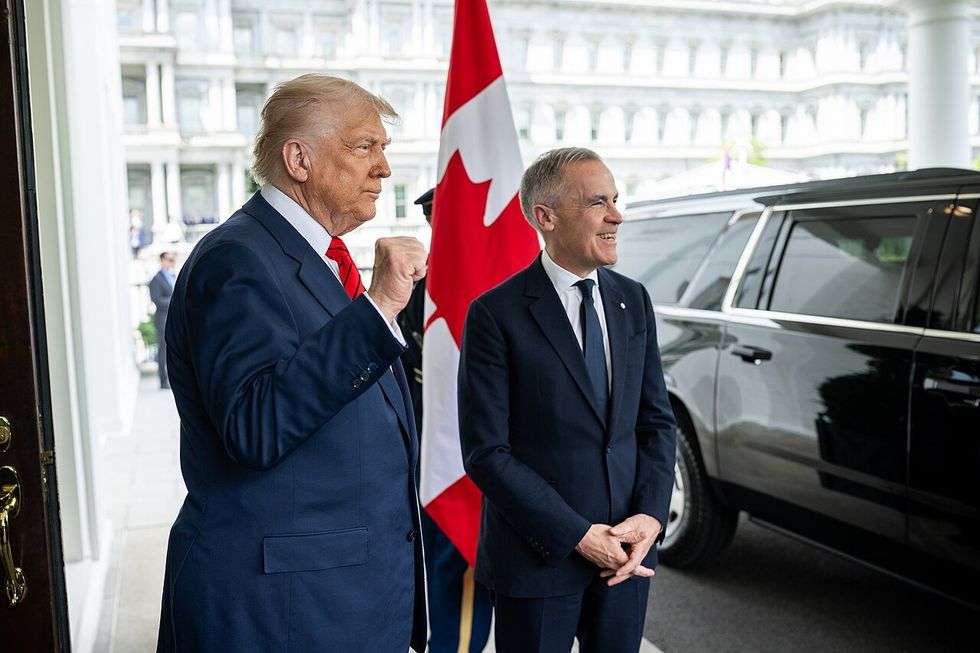
Prime Minister Mark Carney, who grew up in Edmonton, campaigned against the referendum and cast the stay vote as a reaffirmation of national unity. For Ottawa, the result removed an immediate constitutional crisis. It did not erase the underlying grievances over federal energy rules, fiscal transfers, and population growth pressures that fueled the vote in the first place.
Smith has stated there will be no second separation referendum while she serves as premier following the vote to stay. Yet political movements in Western Canada rarely stay locked inside one election cycle. Neighboring Saskatchewan has its own small pro-independence groups watching Alberta's playbook, even as provincial leaders there distance themselves from separatism and face steeper statutory hurdles for plebiscites.
Watch what happens next in provincial policy rather than courtroom speeches. Even where constitutional referendum questions lost, the Alberta government signaled plans to pursue policy priorities on healthcare and dental coverage opt-outs and push harder on provincial jurisdiction. A 25.05% pro-process vote gives separatists enough fuel to keep organizing, and gives provincial leaders enough leverage to keep demanding concessions from Ottawa—even after voters told the province to stay put.