Ground doesn't usually move like a trampoline. But when a 7.7-magnitude earthquake smashed into eastern Indonesia, that is exactly how survivors described it.
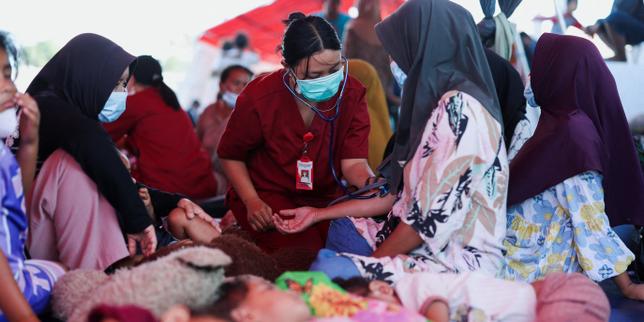
Thousands of people on the island of Flores woke up to a violent awakening. Within seconds, homes collapsed, hospitals evacuated into outdoor tents, and families ran for higher ground fearing a catastrophic tsunami. Right now, at least 53 people are confirmed dead, about 5,000 residents are displaced, and thousands are sitting on chilly hilltops waiting for relief that is taking too long to arrive. Meanwhile, you can explore other developments here: Stop Obsessing Over Tarique Rahman Visiting New Delhi.
What Actually Happened on the Ground
The shallow quake struck offshore early on a Saturday morning, rattling the East Nusa Tenggara province. The immediate impact was brutal. Over 900 houses suffered severe structural damage, alongside dozens of schools, health facilities, and government offices.
In villages like Nangahale on the north coast, residents fled to nearby hills with next to nothing. Umri, a 55-year-old local resident, spent a full day stranded on an open hillside. He didn't mince words about what people need right now. Food, clean drinking water, basic medicine, and diapers for infants top the priority list. To see the bigger picture, check out the detailed report by The New York Times.
Further inland in places like Kisol village, locals found part of their local church and homes completely flattened. While police arrived quickly to log the damage, essential supply trucks were nowhere to be found immediately.
Why Relief Efforts Are Stalling
Disaster response in this part of the world is an absolute logistical nightmare. Indonesia sits squarely on the Pacific Ring of Fire, an arc notorious for heavy seismic and volcanic activity. When a major tremor hits, secondary hazards instantly lock down the region.
Landslides triggered by the initial shockwave tore through mountain paths, cutting off vital emergency access roads. Communications networks went dark in several hard-hit zones, leaving local authorities blind about conditions in remote pockets of the island.
To make matters worse, the earth refused to settle. Nearly 1,000 aftershocks rattled Flores in the hours following the main event. Every time rescue teams try to clear debris or dig through rubble, another tremor hits or a mudslide threatens the crew. Hospitals in towns like Ruteng had to shift operations entirely outdoors because major structural cracks made indoor wards unsafe.
The Race Against Time
The Indonesian National Disaster Management Agency (BNPB) has mobilized helicopters, naval vessels, and cargo planes to drop supplies, shipping out tens of thousands of individual food packages weighing hundreds of tonnes. International bodies like the Red Cross are coordinating emergency shelters, while local authorities urge absolute vigilance against ongoing aftershocks.
Yet, for families sleeping under plastic sheets on muddy slopes, government logistics feel painfully slow. The immediate danger of the initial shock has passed, but the humanitarian crisis on Flores is just beginning. Stay alert, keep track of official updates if you have family in the region, and support verified relief organizations working directly on the ground.


