Trust is a fragile currency. It does not clink or rust. It lives quietly in the spaces between what we are told and what we desperately want to be true. When someone hands you a story about a life lived under stadium lights, about private jets, roaring crowds, and a jersey bearing a famous name, your brain does something miraculous. It fills in the gaps. It adds the sound of the whistle, the smell of fresh turf, the weight of a championship ring.
Conmen know this. They do not steal from you by breaking a window or picking a lock. They steal from you by offering you a ticket to a room you have always wanted to enter.
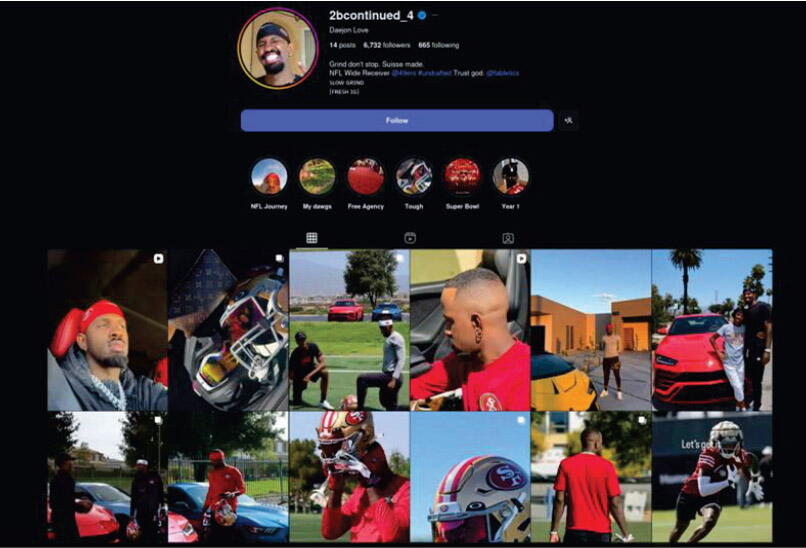
Consider the Federal Bureau of Investigation expanding its net around a man accused of orchestrating a sweeping, calculated deception. He did not wear a ski mask or carry a firearm. His weapon of choice was far more effective. He wore the ghost of an athletic career. He posed as a National Football League player, weaving a web of fabricated status to charm, manipulate, and allegedly defraud dozens of women.
Dozens.
Let that number settle. This was not a single, impulsive lie told across a crowded bar counter at midnight. This was an operation. A lifestyle built out of smoke and mirrors, designed to extract not just money, but something far more valuable: emotional investment, complete vulnerability, and financial surrender.
To understand how a person falls for a fake professional athlete, you have to look past the absurdity of the headlines and into the architecture of modern romance. We live in an era of curated identities. Everyone on a screen is performing a version of themselves that is wealthier, happier, and more successful than reality permits. When a man shows up claiming to play in the most high-stakes sports league on earth, he is not just selling a profession. He is selling an escape. He is selling proximity to greatness.
Imagine sitting across from him in a dimly lit restaurant. He speaks with the casual confidence of someone accustomed to multi-million-dollar contracts. He drops acronyms about locker room culture, injuries, and offseason conditioning. He has the vocabulary down. He has the swagger. More importantly, he has the plausible deniability that comes with modern fame. Athletes travel. Athletes have erratic schedules. Athletes have private lives that demand discretion. Every single red flag that should have screamed danger was instead reframied by the victims as the normal, stressful friction of dating someone extraordinary.
This is the cruelty of confidence-based crime. It weaponizes empathy.
When the FBI widens a case like this, the public often reacts with a cynical shrug. Comments sections fill up with cruel questions. How could they be so stupid? Didn't they Google him?
That response is a defense mechanism. It allows us to pretend that we are immune, that our judgment is sharper, that we would spot the fraud instantly. But the truth is much darker. We are all vulnerable to the right lie told at the exact moment we are looking for proof that good things can happen to us. Fraudsters are master psychologists. They study their targets. They identify the exact flavor of loneliness, ambition, or longing a person carries, and they mirror it back as destiny.
The mechanics of the alleged scheme followed a familiar, devastating playbook. Promises of future security. Sudden, manufactured emergencies requiring temporary financial help. The gradual isolation from friends who might ask too many questions. By the time the illusion began to fracture, the emotional hooks were already buried too deep. Walking away felt like admitting you were a fool, so instead, you wrote another check, made another excuse, and hoped the man you thought you knew would finally materialize out of the mist.
Institutions like the FBI step in only after the smoke clears and the financial wreckage is too vast to ignore. Federal indictments, wire fraud charges, subpoenas—these are cold, legal instruments designed to address a warm, messy human catastrophe. They measure the damage in dollars and cents. But the true ledger of this crime cannot be balanced by a courtroom verdict.
What do you charge a man with when he steals a year of someone's belief? How do you subpoena the laughter shared over candlelit dinners that were funded by stolen funds and built on absolute falsehoods?
The widening case is a reminder that predators do not always lurk in dark alleys. Sometimes they wear tailored jackets, sit in VIP sections, and smile warmly across a table, looking you dead in the eye while they pick your pocket and rewrite your reality.
We protect our bank accounts with two-factor authentication and encrypted passwords. Yet we leave our hearts wide open, trusting the jersey, trusting the smile, trusting the script. And until we learn to interrogate our own desire for fairy tales, the men who sell them will always find a buyer.